

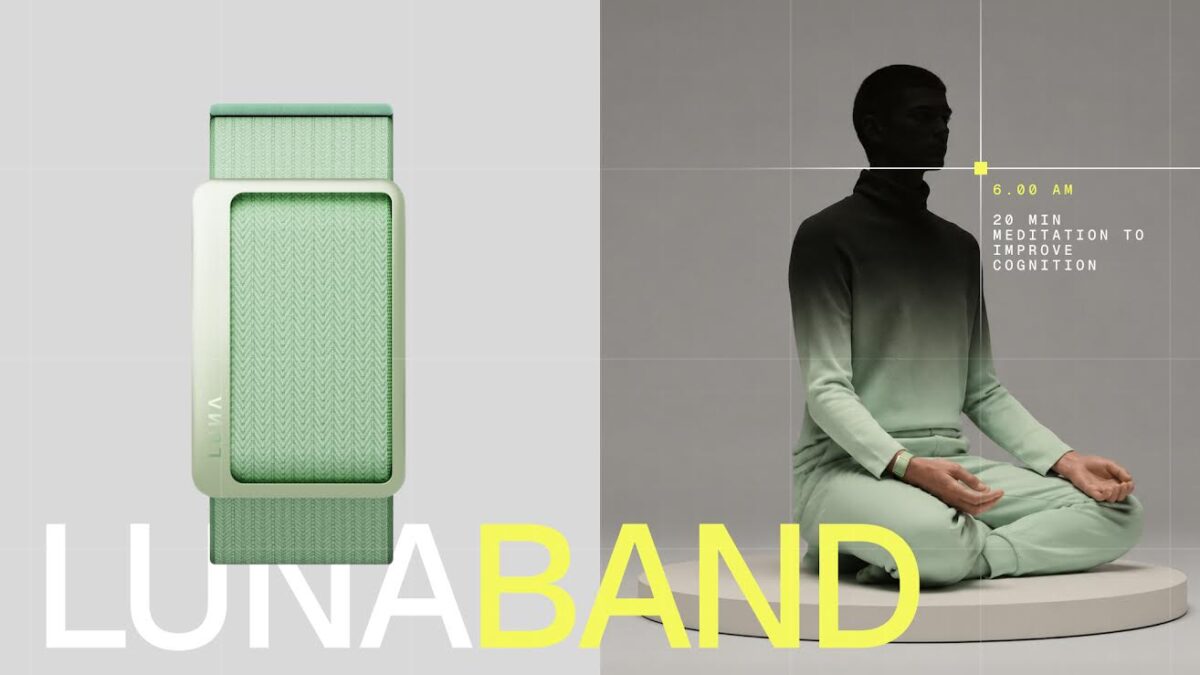
Luna has stepped into the wearable ring with the Luna Band, a new device that tries to replace the usual step-counting scoreboard with something closer to a daily health coach. The pitch is simple: pair a voice-first wearable with the company’s LifeOS platform, then turn body signals and user inputs into live guidance on recovery, food, focus, and routine.
That is a sharper angle than the standard fitness tracker playbook. Garmin, Fitbit, and Apple have spent years teaching people to stare at charts; Luna is trying to make the charts disappear into prompts, reminders, and recommendations instead.
LifeOS turns signals into a day plan
The Luna Band is built around continuous tracking and a simplified ”Today” view inside the companion app. Instead of opening to a wall of graphs, users are meant to see tasks, recovery guidance, nutrition suggestions, and productivity tips, with haptic alerts nudging them at the right moments.
Luna says LifeOS can combine wearable data with other inputs such as food habits, blood markers, and broader medical context to produce more personalized recommendations. The more interesting part is the cause-and-effect framing: the system is supposed to explain, for example, how a late coffee may have affected deep sleep, rather than just dumping sleep statistics on the screen.
Voice logging is the obvious productivity play
The app also supports voice-based logging, so users can speak naturally to record meals, activities, or habits instead of tapping them in one by one. That is the sort of feature that sounds minor until you realise how many health apps die of friction before they become useful.
Built-in micro-apps cover stress, nutrition, training, supplements, and productivity. In other words, Luna is trying to own the whole ”how should I live today?” question, which is ambitious, slightly intrusive, and probably where wearable makers are headed anyway.
Invite-only first, pricing still missing
The first release, called Drop 1, will be invite-only, with shipping expected to begin by the end of July 2026. Luna has opened an official waitlist, but it has not said how much the Luna Band will cost.
That leaves the usual question hanging over AI wearables: will people pay for guidance they can actually trust, or are they just getting another device that sounds smarter than it is? The answer will depend less on the hardware than on whether LifeOS can make its advice feel specific, timely, and unannoying – a tall order, but at least Luna is aiming beyond the step counter graveyard.