

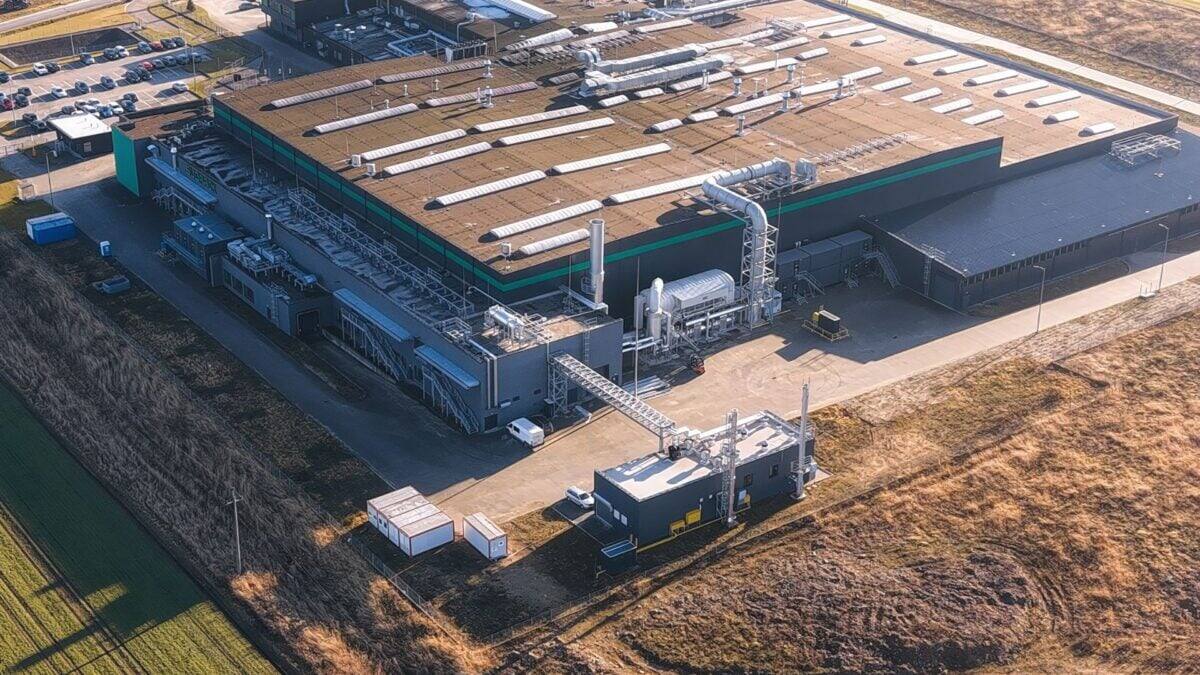
Erin Brockovich is taking a familiar fight and pointing it at a very modern target: the giant AI data centers powering artificial intelligence. Her new crowdsourced map collects community complaints about major AI facilities across the U.S., giving locals a public place to document worries about water, power, health, and the sheer scale of these projects.
The timing is not subtle. Big Tech is spending heavily on the infrastructure behind AI, while cities and counties are left to deal with the utility bills, zoning fights, and noise of hosting it. Brockovich, whose name still carries the weight of a landmark environmental battle, is trying to turn scattered local frustration into a national pattern.
A crowdsourced map of AI data centers
The map overlays operational, under-construction, and proposed AI data centers with community-submitted concerns. It focuses only on publicly announced major AI-focused and hyperscale sites running AI workloads, so smaller facilities are left out. That makes it less of a full census than a pressure map, which is probably the point.
- More than 2,700 community reports have been submitted so far
- Texas leads with more than 600 reports
- Top concerns: water usage, energy consumption, and health
Why data centers are becoming a local political fight
The backlash is easy to understand. These facilities are not small, and they do not live on vibes. They can strain water supplies, stress power grids, and leave nearby residents wondering why they are the ones absorbing the disruption while the benefits flow elsewhere.
That tension is already showing up in local politics. The site highlights 15 local moratoria on data center projects and six zoning or permit denials, which suggests the resistance is moving beyond online complaints and into the machinery of government. Across the tech sector, that kind of pushback is becoming harder to brush off as a few noisy neighbors.
Big Tech’s spending spree meets public resistance
Meta, Amazon, Microsoft, Google, and OpenAI are among the companies pouring billions into the infrastructure needed to train and run competing AI models. CNBC says those firms are expected to spend at least $700 billion this year on AI infrastructure and development, a staggering number that helps explain why data centers are multiplying so quickly.
But the political mood is not uniformly welcoming. Some lawmakers want a national moratorium on new AI data center construction or expansion, while the Trump administration has so far stayed largely hands-off and framed AI as a matter of U.S. national security and economic competitiveness. That leaves Brockovich in an odd but useful position: part watchdog, part conduit, and part reminder that the AI boom has a very physical footprint.
What Brockovich’s AI data center map could surface next
The map’s backers are betting that self-reported local data can expose patterns that corporate filings and press releases gloss over. The open question is whether that pressure translates into slower permitting, tougher local rules, or just a better-organized chorus of complaints as the next wave of AI buildouts rolls in.