

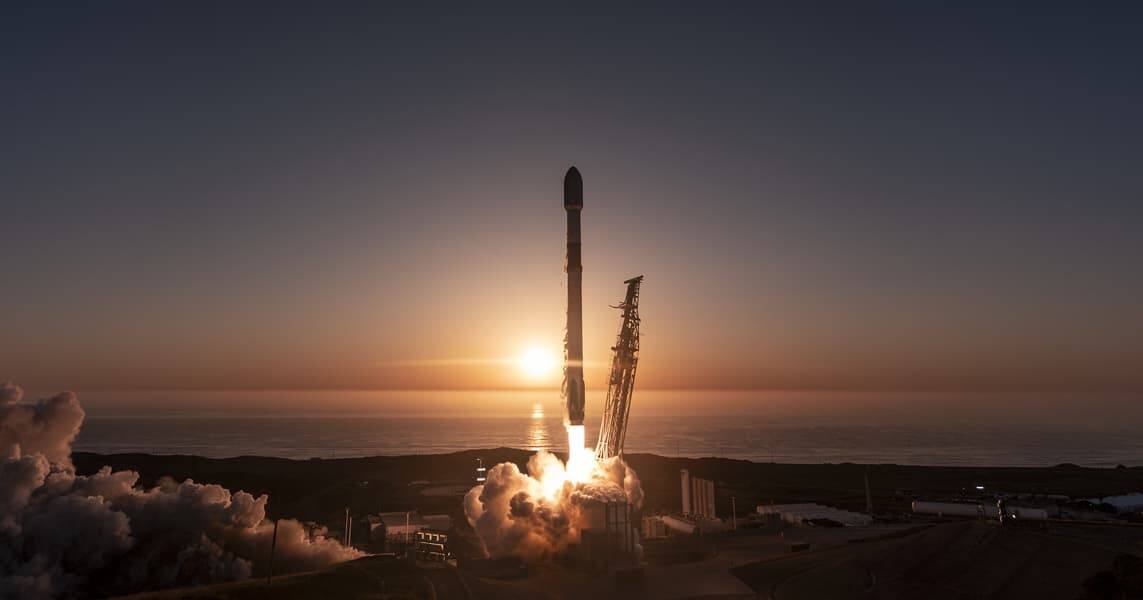
SpaceX is aiming for a launch cadence that sounds closer to a production line than a rocket program: 10,000 orbital launches a year within five years, or about five rockets a day. That ambition was described by FAA chief Brian Bedford after a meeting with SpaceX president Gwynne Shotwell, according to Reuters, and it would mean an enormous jump from the roughly 170 launches SpaceX carried out in 2025.
That is not a typo. It is roughly 60 times more launches than now, and it says as much about SpaceX’s industrial confidence as it does about the bottlenecks ahead. Even with Starship in the picture, a schedule like this would push launch processing, range coordination, and spacecraft production far beyond what the industry is used to.
FAA says safety is the real constraint
The FAA is publicly supportive, but not pretending this will be easy. Bedford said the company would need major improvements in flight stability and safety, while the regulator itself could become a bottleneck because of limited resources and funding. That is the sort of polite bureaucratic phrasing that translates into: ”Nice plan, now show us the paperwork.”
And the agency has a point. Every launch means airspace restrictions, and that affects commercial aviation whether rockets are going up from Florida or Texas. The U.S. space sector has spent years promising faster turnaround, but the regulatory and safety machinery still moves at a very terrestrial pace.
Starlink, megaconstellations and orbital data centers
SpaceX’s motivation is obvious: Starlink keeps growing, satellite constellations are getting bigger, and Musk has also talked about launching thousands of satellites every year. Add the company’s interest in orbital data centers for AI, and the launch target starts to look less like bragging and more like an attempt to build the infrastructure for a very space-heavy business model.
- Target: 10,000 launches a year
- Current pace: about 170 launches in 2025
- Implied increase: almost 60 times
The open question is whether the rest of the system can scale anywhere near as fast as SpaceX wants. Rockets are only part of the equation; launch windows, regulators, range safety, and manufacturing capacity all have veto power. If the company really tries to move from hundreds of launches to thousands, the next five years will be less about slogans and more about whether the entire aerospace stack can keep up.