

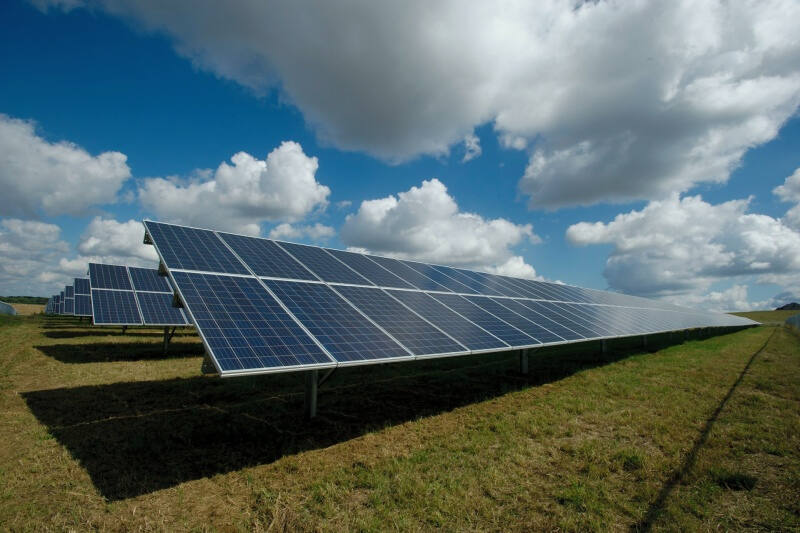
Solar power is on track to become the world’s biggest source of electricity in the 2030s, overtaking coal, oil, and natural gas just as AI and industrial electrification push global demand sharply higher. That is the uncomfortable twist in BloombergNEF’s latest outlook: the cleanest generation source is getting cheaper fast, but the tech sector’s appetite for always-on power means fossil fuels are not fading quietly.
BloombergNEF says solar is now ”too cheap to ignore,” and that pricing curve is doing the heavy lifting. The firm expects solar panels to be 30% cheaper by 2035, which would make them less expensive to run than coal and gas. By 2050, solar is projected to generate more than twice as much electricity as gas-fired plants. That kind of climb usually takes decades; this one is being accelerated by a demand shock from data centers and the broader AI build-out.
Data centers are reshaping power demand
For investors, the big story is not just solar’s march upward. It is that data centers have become one of the most important buyers in the entire power market, and they are shopping for everything from daytime solar to backup gas and long-duration batteries. BloombergNEF estimates that data centers will need 1.4 TW of solar generation, 370 GW from gas plants, and 110 GW from coal plants.
That mix tells you where the industry is headed: not a clean break from fossil fuels, but a messy hybrid system built to keep servers online around the clock. Because gas and coal can run continuously, BloombergNEF expects fossil fuels to still provide 51% of additional electricity generation for data centers by 2050.
Batteries are becoming the missing piece
Solar’s next problem is obvious: it shines hardest when power prices are weakest. That has squeezed profits from stand-alone solar farms and pushed developers toward hybrid plants that pair panels with batteries, so they can sell electricity later in the day when prices are higher.
Big tech is already leaning into that model. Google has reportedly lined up $1 billion worth of Form Energy batteries for one of its data centers, with storage capable of up to 100 hours of autonomy. Meanwhile, the global battery market is still early in its growth curve: 112 GW of grid batteries were installed worldwide last year, and BloombergNEF expects that figure to nearly triple by 2035.
Gas, coal, and nuclear are still in the race
Solar is not winning in a vacuum. Geothermal and nuclear power are also attracting capital after high-profile IPOs from Fervo Energy and X-energy, a reminder that the fight for data-center supply is widening beyond the usual solar-versus-gas storyline. The next few years will be less about one technology ”beating” the others and more about which mix can deliver cheap electricity without terrifying operators with outage risk.
The most likely outcome is simple enough: solar keeps getting bigger because it is cheap, batteries keep getting bigger because they make solar usable after sunset, and fossil fuels stay relevant because AI servers do not care about the weather. The question is no longer whether solar scales. It is how much of the grid the AI boom forces everyone else to build around it.