

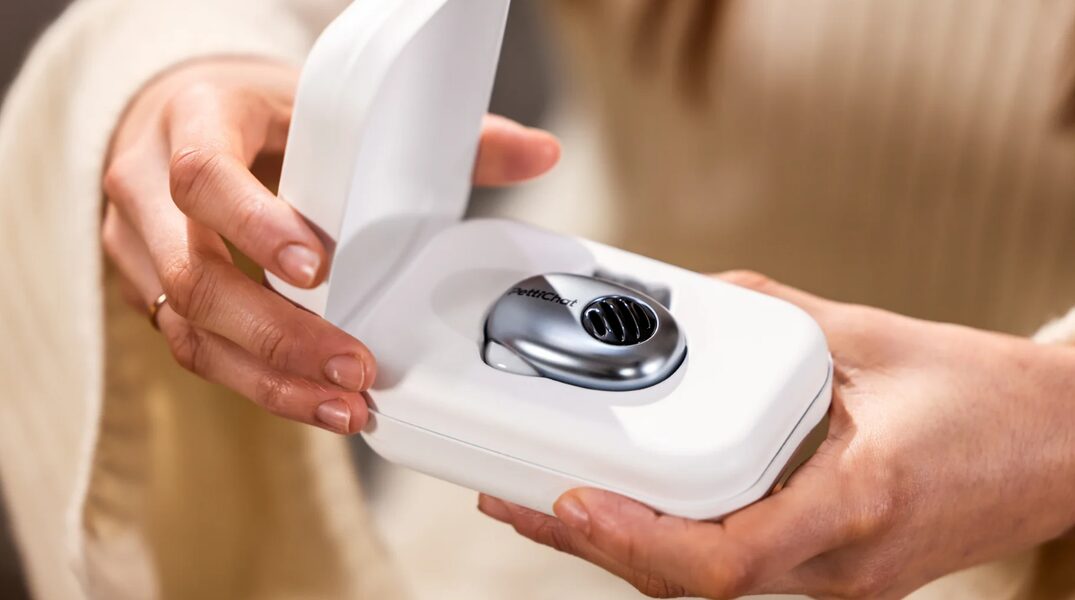
A gadget that promises to translate barks and meows into human-friendly meaning has found a surprisingly eager audience. PettiChat, an AI-powered pet translator on Kickstarter, has pulled in more than 130,000 dollars from more than 800 backers, far above its funding target, even as the pitch sounds like something a startup might have dreamed up after too much caffeine.
The device is sold as a two-way communication tool for pets and owners. It listens to animal sounds in real time, turns them into interpretations for the human side, and can also convert a person’s voice or instructions back into sounds the pet can supposedly understand. That bidirectional setup is the hook; the other selling point is speed, with the company emphasizing instant feedback instead of the usual ”watch the cat stare at you and guess” method.
PettiChat price and hardware details
Early supporters were able to reserve the device for 120 dollars. The current pre-order price is 150 dollars, which is a small jump for a product that sits squarely in the ”either brilliant or ridiculous” category. The hardware itself is modestly practical: it weighs 27.2 g, clips onto a collar, supports magnetic charging, and carries an IP56 water-resistance rating.
That matters because pet tech is no longer a novelty corner of crowdfunding. Smart collars, GPS trackers, feeders, and health monitors have already trained owners to pay for convenience, even when the payoff is fuzzy. PettiChat is pushing further by claiming more than 90% recognition accuracy, a number that will invite scrutiny from anyone who has ever tried to decode a dog’s mood after it ate a sock.
How the PettiChat app is supposed to work
The companion app is the center of the experience. When a pet vocalizes, the device records and interprets the sound on the fly; when the owner speaks or sends a command, the system converts it into pet-facing audio and sends it back through the wearable. The creators say the model was trained on large datasets of animal vocalizations to improve speed and context, and they present setup as simple enough to fit into everyday routines.
If the product survives the usual crowdfunding reality check, it could tap into a bigger trend: owners want tools that feel emotional, not just functional. The problem, of course, is that ”understanding” a pet is a much messier business than translating a language, so PettiChat will have to prove it can do more than generate very confident guesses.
What PettiChat has to prove next
The funding numbers are a strong start, but crowdfunding success is not the same thing as product validation. Hardware projects that lean on AI often run into the same wall: demos look magical, real-world use is noisier, and consumers are far less patient once a collar is on an actual dog or cat.
So the real test is not whether PettiChat can sell the fantasy. It is whether it can deliver enough accurate, timely feedback to feel useful after the novelty wears off. If it does, it could become a category-defining pet gadget. If it doesn’t, it may still become a very well-funded joke.