

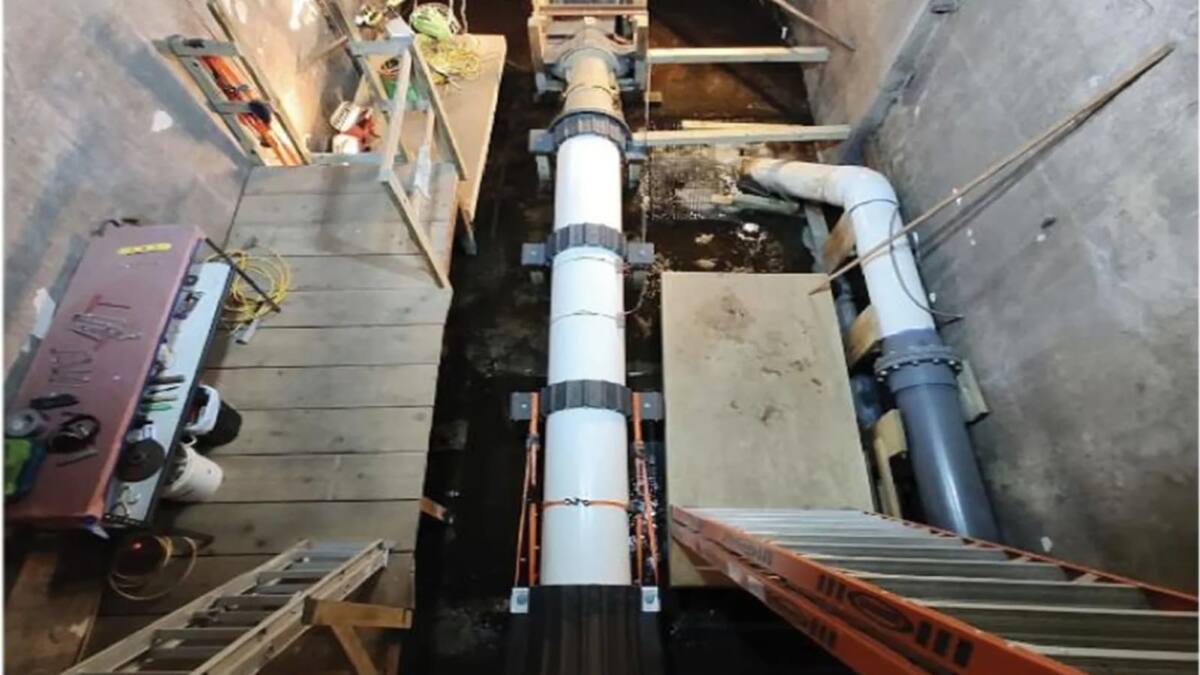
A U.S. team says it has found a cheaper way to build small hydropower plants: print the turbine parts, use off-the-shelf PVC where possible, and stop treating every site like a one-off metal sculpture. The result, according to the company behind the project, could cut the cost of small hydropower by about 40% per kilowatt while speeding up deployment on existing dams and low-head waterways.
The 3D-printed hydro turbine project comes from Cadens, a Wisconsin-based company working with the Manufacturing Demonstration Facility at Oak Ridge National Laboratory. That partnership matters because small hydropower has long had a practical problem, not a technical one: there are plenty of sites, but custom hardware makes many of them uneconomic before a single blade starts spinning.
How Cadens built the 3D-printed hydro turbine
Cadens’ setup combines 3D printing with low-cost composite materials. The diffuser channel, one of the key parts that helps water leave the system efficiently, was printed from carbon-fiber-reinforced ABS as two halves and then assembled into a single unit weighing about 313 kg. The turbine housing used a hybrid process: a printed mold first, then a final fiberglass part cast from it.
Larger pieces such as supports, mounts, and rotor components were made with large-format 3D printing meant for industrial-scale parts. That approach is less glamorous than a fully printed turbine, but it is smarter: the expensive metal bits are where the budget usually disappears, and this design trims them out of the bill.
Why small hydropower stays underused
In the United States, there are tens of thousands of dams, but only a small share currently generate electricity. Cadens says around 51,000 more sites could potentially be used, representing roughly 29 GW of untapped capacity. That is a lot of dormant infrastructure, especially at a moment when grid planners keep hunting for power that does not require another giant, slow-moving permit process.
- Small hydropower systems can produce up to 100 kW.
- The new design uses PVC pipes for part of the structure.
- Key turbine parts are 3D printed or cast from printed molds.
- Cadens says the approach can lower cost by about 40% per kilowatt.
A prototype already running in Wisconsin
The prototype has been operating at Cadens’ Wisconsin site for more than six years as a test bed for materials and designs. That is a useful reminder that energy hardware does not need a viral demo reel; it needs to survive water, wear, and economics long enough to matter.
If the numbers hold up outside the lab, the bigger winner may be not the turbine itself but the standardization behind it. Small hydro has always had useful physics and lousy procurement, and this design attacks the procurement problem first. The next question is whether utilities and dam owners will trust a printed-and-cast system enough to order it at scale.