

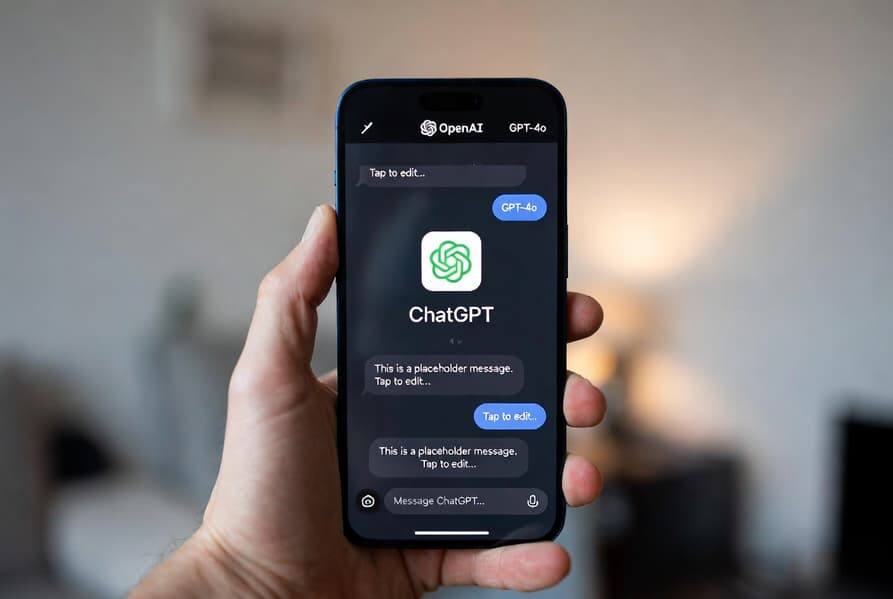
OpenAI has turned ChatGPT on iOS and Android into a remote control for Codex, its AI coding agent. The mobile app can now send commands to the desktop tool, let users review what it is doing, approve actions, switch models, or start new tasks without being glued to a laptop.
The catch is that Codex still does the heavy lifting on the computer where it is running. That means files, credentials, permissions, and local settings stay put, while the phone gets live updates such as screenshots, terminal output, diffs, test results, and approval prompts. For developers, that is a neat way to keep an eye on long-running work without babysitting a screen. For OpenAI, it is another push to make ChatGPT the front door for its entire tool stack.
Codex in ChatGPT is in preview on iPhone and Android
The feature is already available in preview on iOS and Android, and OpenAI says it works across every ChatGPT plan, including the free tier and the cheaper Go option. That is a smart distribution move: instead of reserving the mobile bridge for power users, OpenAI is putting Codex within reach of casual ChatGPT users who may be curious about coding assistants but not ready to pay premium rates.
It also reflects where the competition has been heading. GitHub Copilot, Anthropic’s Claude tools, and other coding assistants have been racing toward tighter workflow integration, but mobile control is a cleaner sales pitch than another vague promise about ”productivity.” People understand what a phone is for: approve, check, nudge, continue.
What the phone can do for Codex
- Send commands to Codex on your computer
- Review progress and live outputs in ChatGPT
- Approve commands before they run
- Switch models or launch a fresh task
That combination matters because coding agents are only useful if you can trust them enough to let them keep going. OpenAI is trying to square the circle here: automation on the desktop, supervision on the phone. It is a familiar pattern in enterprise software, where admins want control without having to hover over every step, and the idea now appears to be moving into consumer-facing AI tools too.
The larger signal is simple. OpenAI keeps expanding ChatGPT from a chatbot into a command center, and Codex is becoming one more module inside that orbit. The next question is whether developers want one app for conversation, code generation, and agent supervision – or whether they will eventually decide that bundling everything together is just a very polished form of clutter.