

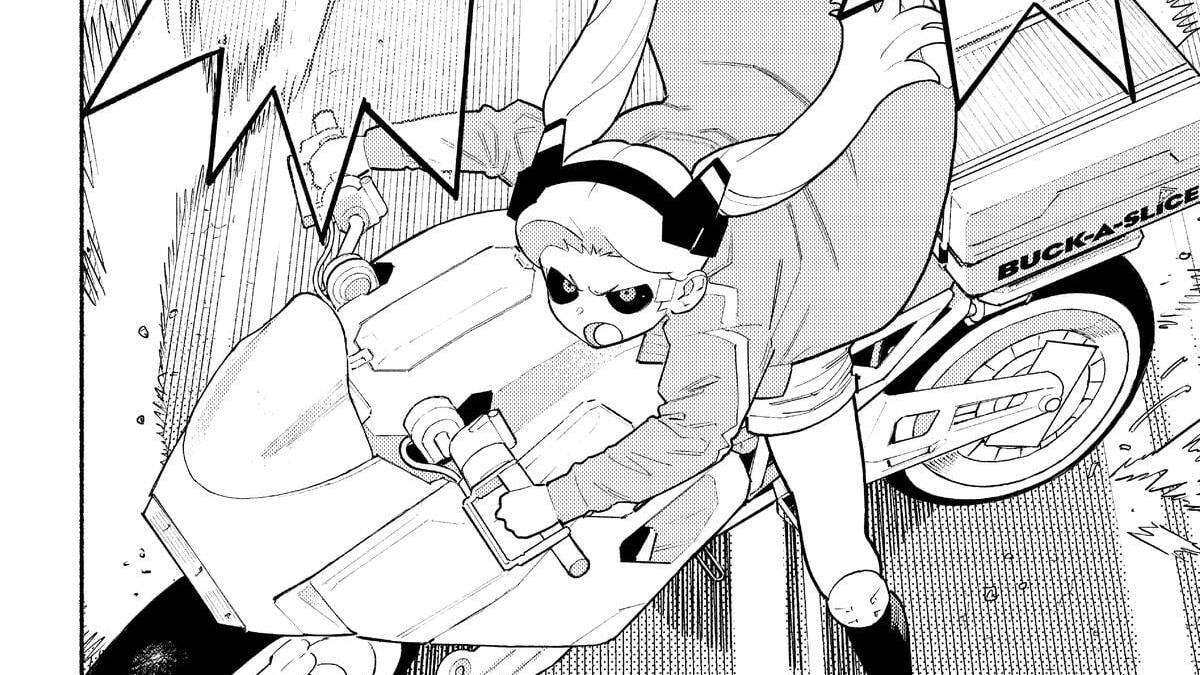
”Cyberpunk: Edgerunners” may have already done the hard part – turning a battered game adaptation into a full-blown fan favorite – but Dark Horse’s prequel manga, ”Cyberpunk: Edgerunners Madness,” shows Night City still has room for one more sharp left turn. Written by Bartosz Sztybor and illustrated by Asano, the book rewinds the clock to follow Rebecca and Pilar before David Martinez enters the picture, and it works better than the usual prequel cash-in because it builds a story instead of just lining up cameos.
The setup is simple enough: Rebecca and Pilar start out as underachieving nobodies with a legendary father and very little to show for it, which is a great Cyberpunk joke and a brutal family dynamic at the same time. Once they decide to chase edgerunner glory, the manga turns into a run of messy jobs, bad decisions, and escalating chaos that feels less like origin-story homework and more like a compact side mission that could have been in the anime all along.
Rebecca and Pilar get their own lead role
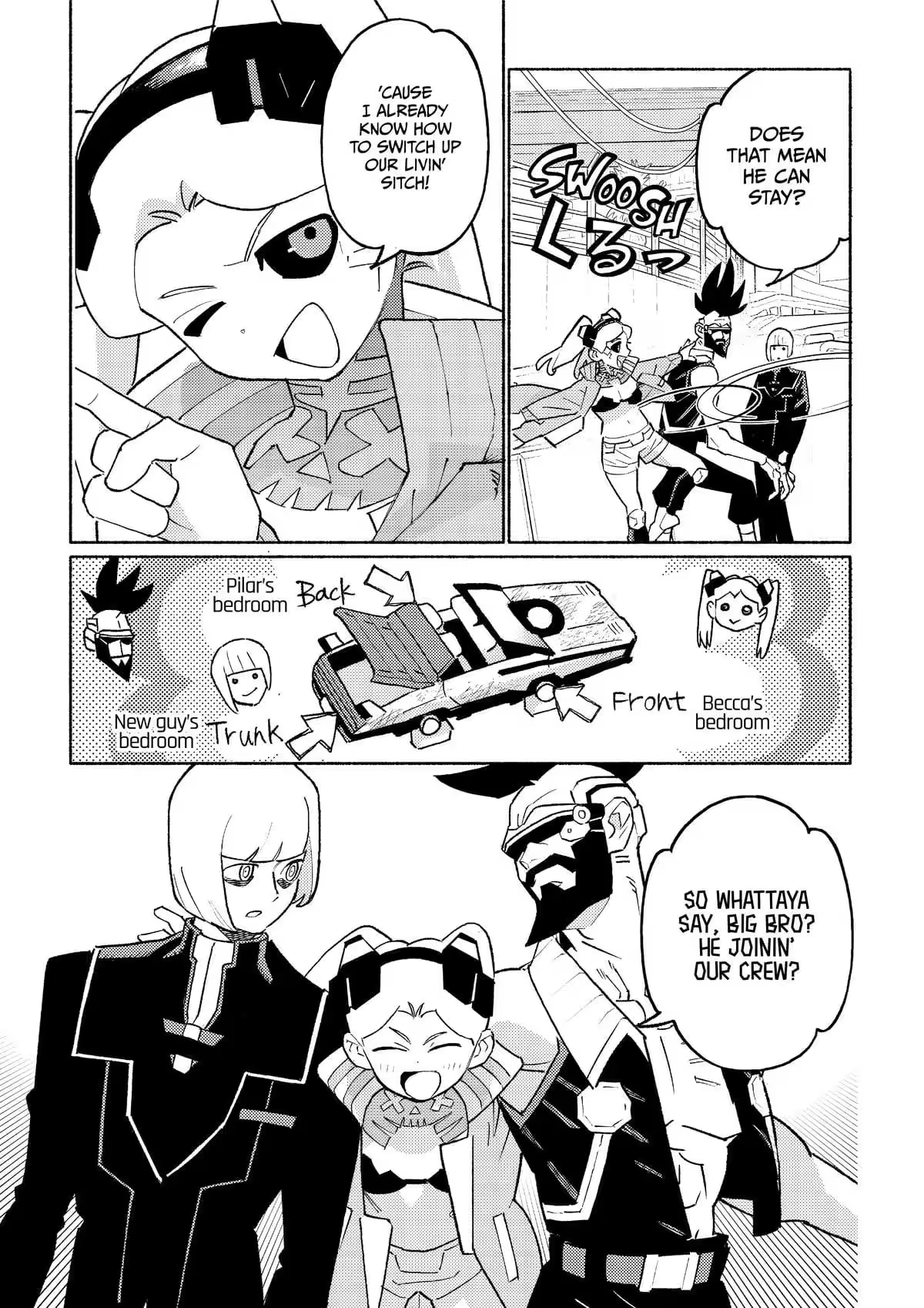
What makes ”Madness” click is that it doesn’t just hand fans the expected nostalgia tour. It leans into Cyberpunk’s dry, tech-slick personality with fake character bios, familiar slang, and little worldbuilding touches that feel native to the setting rather than stapled on for applause. That helps the manga avoid the prequel trap of becoming a checklist, which is more than can be said for a lot of franchise tie-ins that exist mainly to remind you that yes, you liked the original.
There is also a stronger business case for stories like this than the source material says out loud. ”Edgerunners” proved that CD Projekt Red’s universe can travel beyond the game, and ”Phantom Liberty” showed the studio can still find new angles inside Night City even after years of reuse. A prequel manga that actually expands the world is a smarter play than endlessly recycling the same handful of iconography.
The manga’s weirdest character is the best part
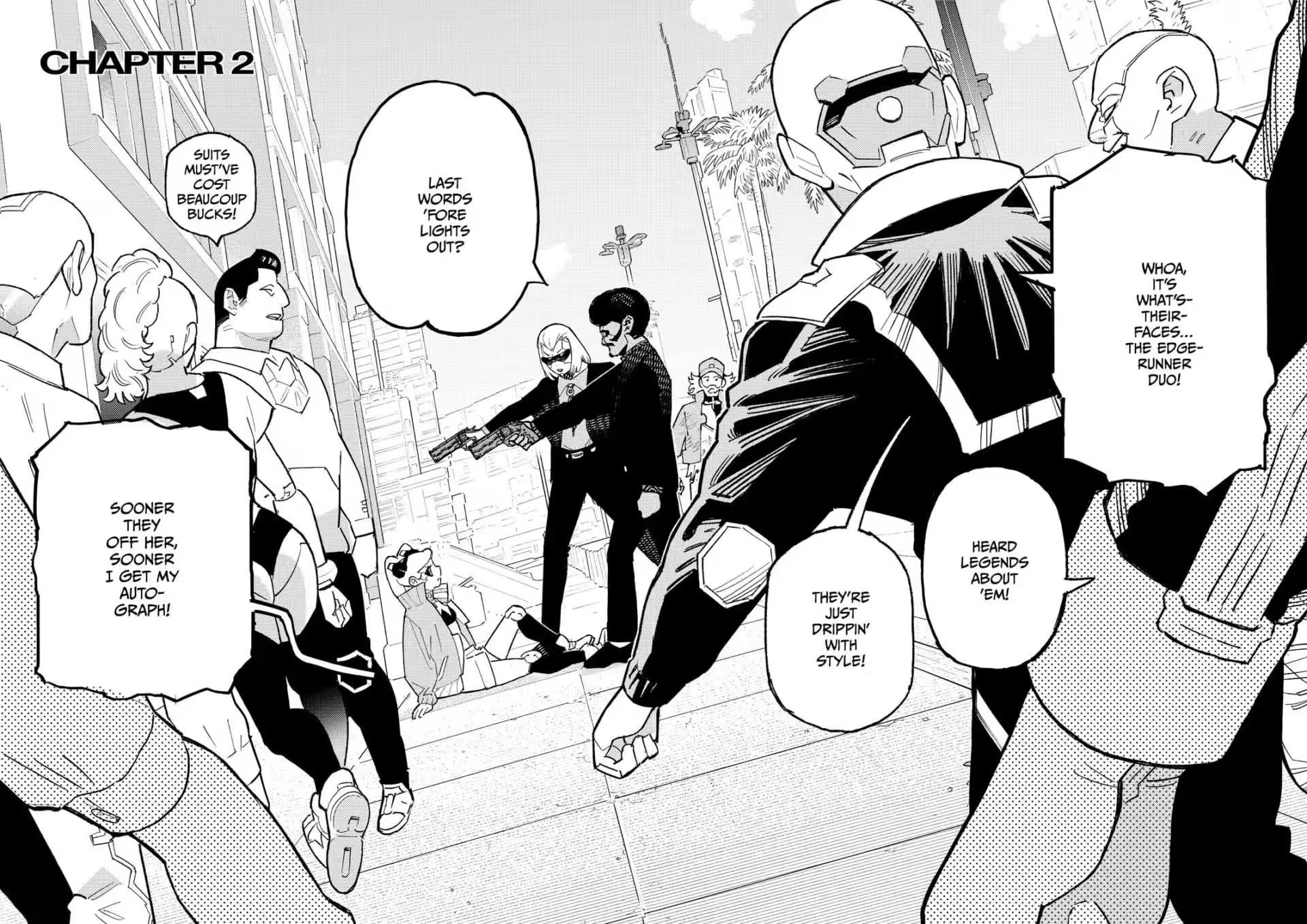
The third member of the crew is the real curveball: a fractured weirdo whose personality-shifting neural chips make him alternate between comic relief and lethal competence. He gives the story a genuinely strange cyberpunk hook instead of a generic ”team of misfits” setup, and the gangs circling him add the kind of pressure that keeps the jokes from floating away. In other words, the manga understands that the best Night City stories are the ones where the absurd and the deadly keep crashing into each other.
Asano’s artwork helps a lot here. The action is clean, the staging is easy to follow, and the violence has a cartoonish snap that makes exploding bodies and botched getaways feel darkly funny rather than merely grim. That balance matters, because Cyberpunk works best when it treats catastrophe like a punchline that landed too hard.
Cyberpunk: Edgerunners Madness sets up a strong second volume
The first volume ends up doing something prequels rarely manage: it makes the next installment of a spin-off feel like an event. It also raises expectations for both the next season of ”Edgerunners” and ”Cyberpunk 2,” which is reportedly in development, because the manga suggests the setting still has fresh corners to mine if the creators are willing to get a little bizarre. If the follow-up keeps this mix of slapstick, gore, and genuine character chemistry, Night City won’t be running out of stories anytime soon.