

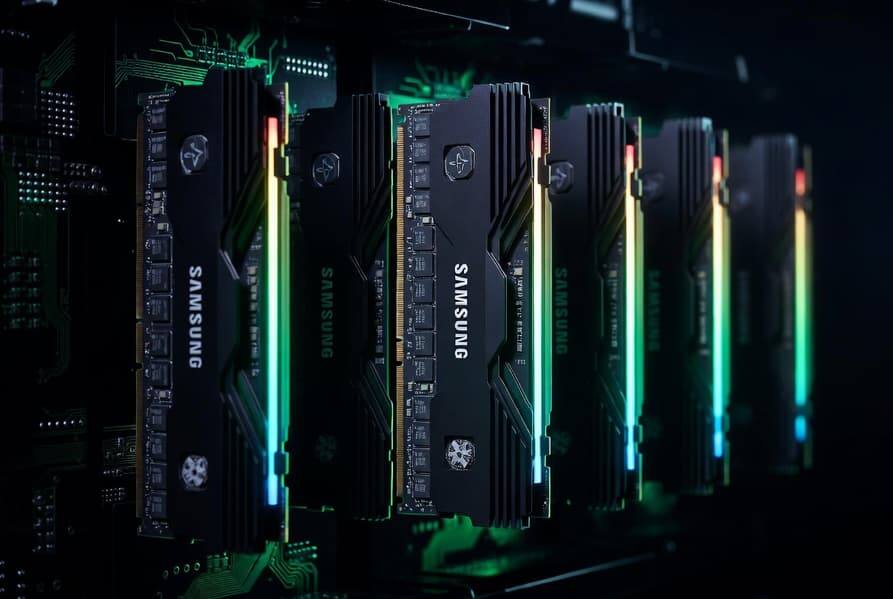
Samsung memory prices are jumping as a possible strike at Samsung threatens the world’s biggest memory-chip factory. DDR4 prices have risen sharply in one week, NAND Flash has stopped falling, and server memory is moving up too – a reminder that supply scares often show up in prices faster than any walkout begins.
According to China Flash Market Network, the spot price of 8GB DDR4 3200 rose to $18 this week, up 20% from the previous week. In Shenzhen’s Huaqiangbei district, that made memory the fastest-rising category in the market. The bigger point is that a labor dispute at a single giant supplier can tighten pricing across multiple memory types almost immediately.
DDR4 and NAND Flash turn higher
The rebound is not limited to older DRAM. NAND Flash prices have also stopped sliding, with all major specifications starting to rise again. Server memory is moving even faster:
- 64GB DDR5 RDIMM modules climbed to $1,350, up 11% over the month.
- 96GB modules rose 10% over the month.
That kind of move matters because memory pricing has spent long stretches drifting downward, then suddenly snaps when inventories look less comfortable. Samsung is one of the key names in this market, alongside SK hynix and Micron, so even the threat of a production disruption can force buyers to pay up rather than wait for a bargain that may not arrive.
Talks break down in South Korea
South Korea’s National Labor Relations Commission has ended its mediation process, saying the gap between workers and management is too wide and that the union requested talks be suspended. Samsung Electronics had already pushed to restart negotiations after earlier government-mediated discussions collapsed, but the dispute is now back where markets hate it most: unresolved and public.
The company has a lot to lose if production is interrupted at scale. The union represents 50,000 employees, and if the standoff hardens, buyers of everything from PCs to servers could feel the knock-on effect long before any formal strike action is confirmed.
What buyers are watching next
The next signal is simple: whether talks resume or the market keeps pricing in disruption. If neither side blinks, memory buyers may be entering a familiar and expensive phase – one where a supply scare does half the work for the supplier before a single machine stops.