

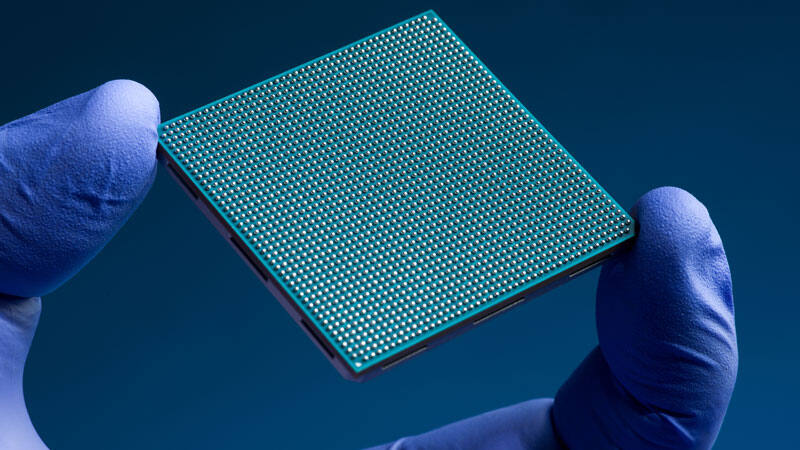
NASA has moved a step closer to a new generation of spacecraft brains, and the headline number is hard to ignore: its latest space processor is already showing about 500 times the performance of current chips used for similar jobs. The NASA space processor is now in testing for missions that will need far more autonomy than today’s hardware can manage, from lunar robots to deep-space probes that cannot wait for instructions from Earth.
The project is a joint effort between NASA and Microchip Technology, built around the PIC64-HPSC family. That means a 64-bit SiFive RISC-V design with 10 computing cores, plus support for AI, vector processing, virtualization, and faster data interfaces. In plain English: this is not just a faster chip, it is a chip meant to make spacecraft less dependent on ground control, which is exactly what you want when radio signals can take minutes to arrive.
What NASA is testing now
The current phase is brutal by design. Engineers are running the processor through radiation, extreme temperatures, vibration, and shock to mimic launch and years in space, while also checking whether the software stays stable when cosmic radiation causes glitches. That last part matters as much as raw speed; a chip that crashes in deep space is just an expensive paperweight with a mission patch.
NASA says the tests began in February 2026, and early results suggest the architecture is performing as intended. If the qualification process holds up, HPSC is meant to become a base platform for future missions and, eventually, be available beyond NASA, including to commercial aerospace companies.
Why the old hardware had to go
The timing is no accident. NASA awarded the contract to Microchip Technology in 2022 because the processor architecture it had been relying on in space was approaching a 30-year milestone and was overdue for replacement. That kind of gap is common in aerospace, where reliability tends to outrank fashion, but the rest of the industry has been modernizing around it.
There is also a broader shift here. Space agencies and private launch companies are racing to put more computation on board, because autonomy reduces risk and opens the door to more ambitious missions. If this chip clears qualification, it could push the next wave of spacecraft toward real-time decision-making rather than the old ”wait for Earth” routine.
What the new chip could enable
- Autonomous lunar robots that can react without constant human input
- Martian rovers with more on-board analysis and faster response to hazards
- Orbital stations that can process scientific data and handle faults locally
That is the real prize: not just faster computing, but spacecraft that can think a little for themselves. The question now is whether the chip’s lab performance survives the ugly reality of spaceflight, because that is where many promising aerospace upgrades quietly die.