

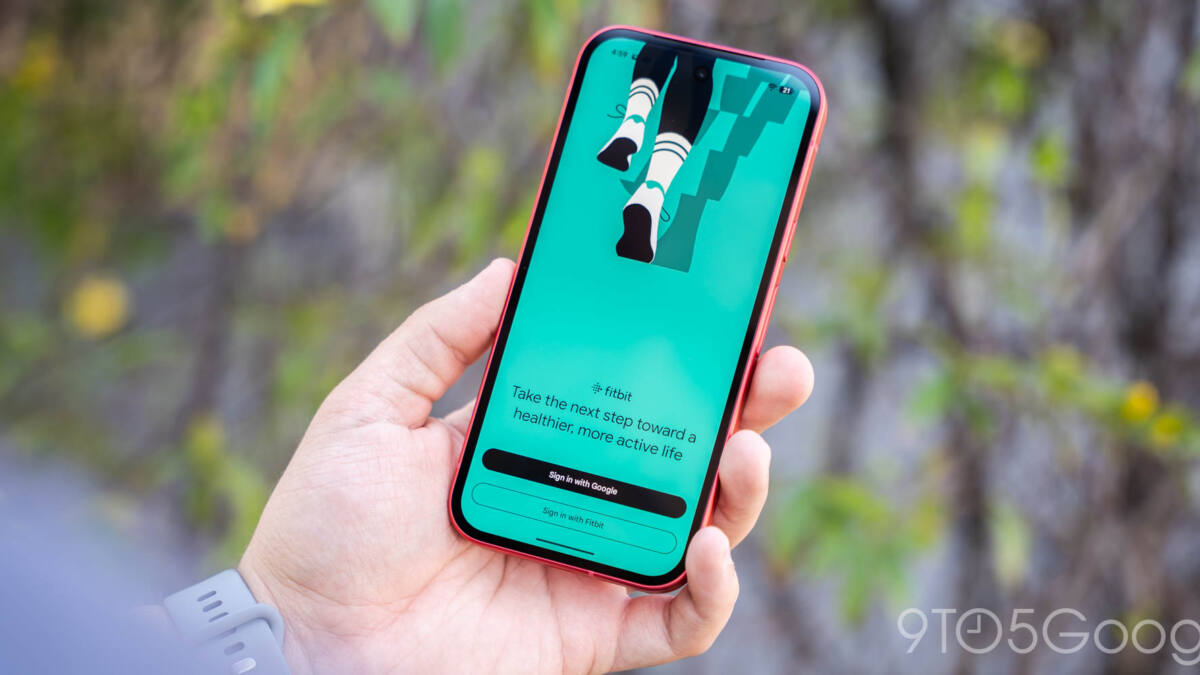
Google is retiring the Fitbit app and folding it into a new Google Health experience, and that sounds less like a funeral than a cleanup. The company is keeping the Fitbit hardware line alive, but the software side is being recast around a broader health hub that mixes Google’s own data, third-party services, and AI coaching.
On paper, the change is mostly a rename with a few useful upgrades. In practice, Google Health may finally answer the oldest complaint about Fitbit under Google: the ecosystem felt narrower than it should have, and far too centered on first-party devices. Google Health will bring in Google Fit, support Apple Health on iOS, and lean on a new set of APIs so more apps and devices can feed data into one place.
What changes inside Google Health
The new app will use the redesigned interface Google previewed last year, alongside an AI-powered coach for workouts and the usual sleep and health tracking. That makes the whole thing feel more like a modern health dashboard than the old Fitbit app, which had started to look like it was being held together by legacy branding and good intentions.
- Fitbit app becomes Google Health
- Google Fit is merged into the new app
- Apple Health support arrives on iOS
- AI-powered coaching is added for workouts
- Google says hundreds of apps and devices can connect
That last point matters more than the branding shift. Google has spent years trying to make health data feel unified, but the experience has often been fragmented across Fitbit, Google Fit, and Android’s broader Health Connect effort. A single consumer-facing app with better plumbing is overdue, and it puts Google closer to the one-stop setup Apple Watch users already get inside Apple’s own ecosystem.
The Fitbit features Google is dropping
Not everything survives the transition. Google says older Fitbit features, including badges and sleep animals, will not be part of Google Health. That will annoy some longtime users, but those are the sort of gamified extras that sound adorable in a launch deck and then get ignored by everyone except the most committed badge collector.
At the same time, Google does not appear to be walking away from Fitbit hardware. The company will still sell the Fitbit Sense 2 and Versa 4 even after launching Google Health, which suggests Google wants the brand’s devices to remain part of the story while the software gets a much-needed reboot. That is a smart split: keep the recognizable hardware name, remove the clutter, and hope the healthier app does the heavy lifting.
A bigger opening for third-party devices
The most interesting part of the move is not the AI coach, though Google will absolutely talk that up. It is the chance to make Google Health less picky about where your data comes from. If Peloton workouts, MyFitnessPal meals, Apple Health entries, and Fitbit device stats can all land in one place without a mess of half-broken integrations, Google finally has a health app that feels like a platform rather than a product demo.
That also gives Google something it has lacked in health software: a reason for people who do not own a Fitbit to care. The company has spent years playing catch-up to Apple in wearables and health tracking, while Samsung and others have tried to build their own ecosystems around Android. A more open Google Health does not erase that gap, but it at least stops Google from narrowing the audience on purpose.
The obvious question is whether users will trust the new setup enough to move everything over. Google has a long history of renaming things, merging them, and hoping nobody notices the old app is gone. This one looks better thought out than most, but the real test will be whether Google Health stays coherent after the launch hype fades and whether the company keeps those third-party ties broad instead of quietly trimming them back.