

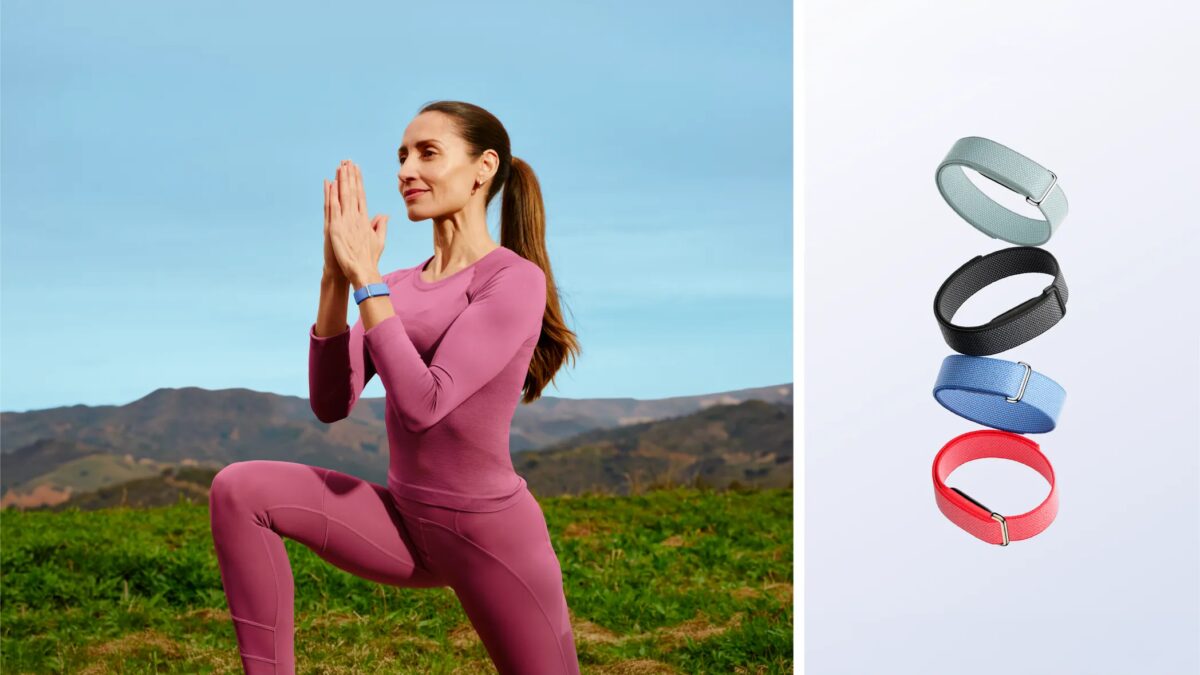
Fitbit has a new pitch for people who want a screenless tracker without the wrist clutter: the Fitbit Air, a screenless tracker that starts at $99.99, lasts up to a week on a charge, and leans on the Google Health app for the stuff you actually care about. It is small, affordable, and built for all-day wear – which is another way of saying it is trying to win over the crowd that thinks smartwatches are too much, too often.
The launch also shows where the company is placing its bets now: less on yet another mini-computer for your wrist, more on a simple sensor package wrapped around software subscriptions and coaching. That is a familiar move across wearables, where the hardware is getting cheaper and the real margin lives in services.
Fitbit Air specs and battery life
The Fitbit Air is pitched as the company’s smallest tracker yet, and it does the usual fitness-tracker job while staying out of the way. The list is respectable: 24/7 heart rate, heart rhythm monitoring with Afib alerts, SpO2, resting heart rate, heart rate variability, sleep stages and duration, and automatic workout detection.
- Price: $99.99
- Battery life: up to a week
- Charging: full day of power in five minutes
- Display: none
- Compatibility: Android and iOS
That screenless design is the whole point. You get the data on your phone when you want it, and less notification noise when you do not. It is also meant to work with the Google Health Coach, which is where the more ambitious plan lives: personalized advice instead of just another pile of graphs.

Google Health app features and workout tracking
Fitbit says activity tracking is designed to be mostly automatic. You can start a workout in the app, follow a guided session, or just begin moving and let the tracker catch common activities for you. The detection is meant to improve over time and become more personal, which is the kind of claim every fitness platform makes because no one wants the app to stay dumb forever.
There is also manual logging, plus a slightly more modern gimmick: Google Health Coach can analyze a photo of cardio equipment or even a whiteboard workout plan. That is clever, if slightly self-aware in a ”we know your gym still uses dry-erase markers” sort of way.
Bands, special edition, and pre-order details
Fitbit is clearly treating style as part of the product, not an afterthought. The Performance Loop Band comes standard in the box and uses recycled materials; the Active Band is aimed at sweatier sessions; and the Elevated Modern Band is the more polished option for people who want their tracker to pass as jewelry.
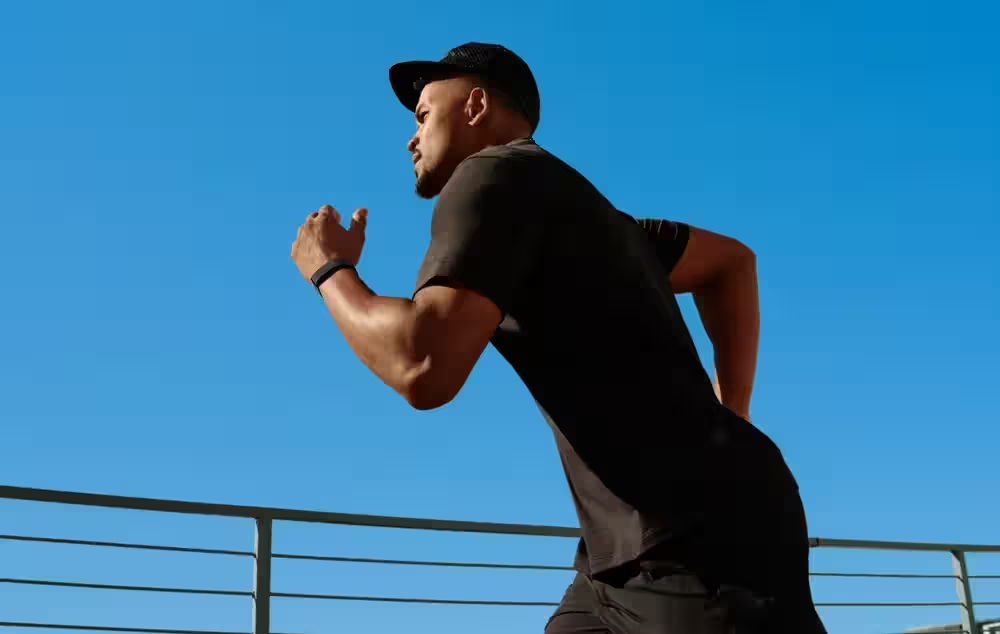
There is also a Fitbit Air Special Edition co-designed with Stephen Curry, with a rye brown finish and game-day orange accents. Pre-orders are open now, and the special edition goes on sale in the U.S. May 26 for $129.99. Accessory bands start at $34.99, which is the sort of pricing that quietly reminds you the real ecosystem sale starts after the tracker itself.
The open question is whether a screenless tracker can feel like the right compromise in a market where some buyers want simplicity and others want a wrist-sized status symbol. Fitbit is betting that a lot of people still want health tech that behaves more like a tool than a toy. That bet feels overdue, and maybe a little obvious – which is often a good sign in consumer hardware.