

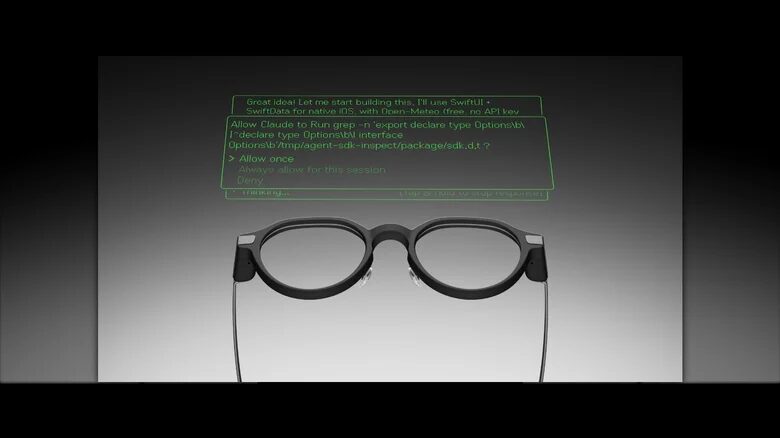
Even Realities has pushed its G2 smart glasses closer to a niche that actually makes sense: watching an AI coding agent without living inside a laptop tab. The new Terminal Mode turns the glasses into a tiny status window for your bot, showing whether it is thinking, listening, or executing, and pinging you only when it needs a response.
That makes the Even Realities G2 easier to understand as a developer tool. Meta may have the bigger consumer spectacle, but Even Realities is clearly betting on usefulness over party tricks, and developer-focused wearables have a better shot if they solve one annoying problem well.
How Terminal Mode works on G2
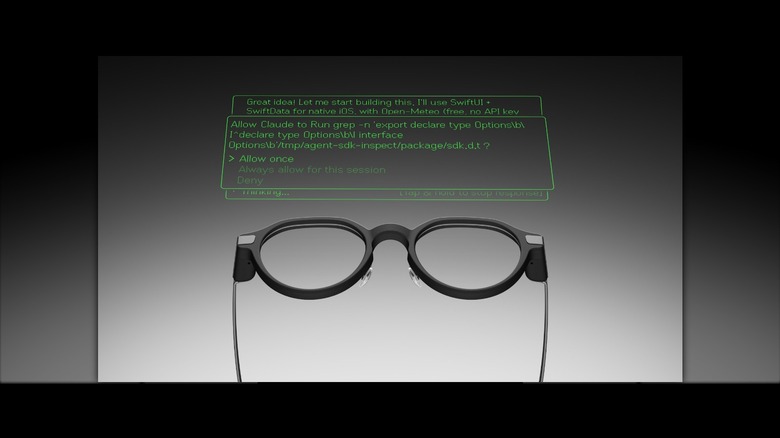
With Terminal Mode enabled, the G2 displays a persistent icon that tracks what the agent is doing. If the bot needs help, the wearer gets notified and can answer using the controller ring or by speaking a custom command aloud. That is a small interface idea, but the whole appeal of agentic coding tools is that they are supposed to reduce context switching, not create more of it.
A smarter use for smart glasses
Even Realities CEO Will Wang says the point is to let users stay in touch with their agents during a coffee break, commute, workout, or errand run. Fair enough: that is the sort of everyday use case that wearable companies have been promising for years and usually failing to deliver. It also hints at where AI hardware is headed – less about replacing your phone, more about trimming down the moments when you have to pull it out.
The timing is not random. Coding assistants are spreading fast, but they still demand supervision, especially when they get confident at the wrong moment and produce tidy-looking nonsense. A glasses-based status layer will not stop a bad agent from making bad decisions, but it does give developers a quicker way to notice when the machine wants human judgment before it wanders off a cliff.
The real test for Even Realities
Even Realities already has some goodwill from its earlier glasses, though the G2 prototype reportedly felt a bit rough around the edges. That makes Terminal Mode interesting for a different reason: if the software is polished enough, the company may be building one of the few smart-glasses features people could actually use every day instead of showing off once and forgetting about it.
The question now is whether developer tools can give the G2 a bigger audience than lifestyle wearables usually get. If even a small slice of coders decide they want their AI agent visible in the corner of their vision, this could be the kind of practical feature that gives smart glasses a little less sci-fi, a little more point.