

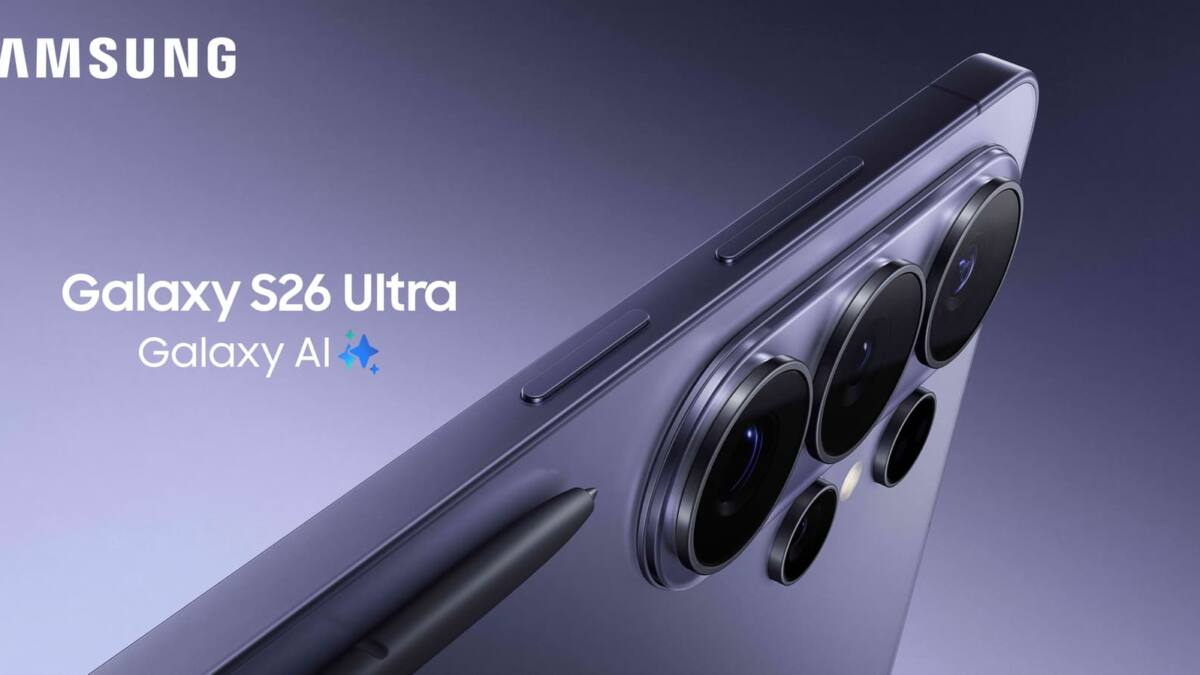
Samsung may be preparing a very un-Samsung move for the Galaxy S27 Ultra: ditching the dedicated 3x optical zoom camera altogether and leaning on the main 200-megapixel sensor instead. According to Ice Universe, the phone would deliver 3x zoom through cropping, which sounds like a downgrade until you remember how aggressively smartphone makers have been padding camera counts for years.
The logic is straightforward: if Samsung pairs that sensor with a larger imaging chip, the company may be able to get cleaner cropped shots without paying the size, cost, and engineering penalty of a separate telephoto module. That rumored sensor, the ISOCELL HPA, was previously linked to a 1/1.12-inch format, which would give Samsung more room to crop before image quality starts to fall apart.
A 200MP sensor could replace the 3x lens
If the leak pans out, Samsung would be following a familiar industry pattern: use software and a bigger main sensor to reduce the number of physical cameras. Apple and Google have both spent years turning computational photography into a substitute for hardware bloat, and Samsung has plenty of incentive to do the same if it can keep zoom shots sharp enough for ordinary users.
- Claimed change: no separate 3x optical zoom camera
- Zoom method: crop from the main 200-megapixel sensor
- Rumored sensor: ISOCELL HPA, 1/1.12-inch
Why Samsung might actually do this
This would save space inside the phone, reduce component complexity, and let Samsung push a cleaner camera story on a device that is already expected to do a lot of heavy lifting. It also fits a broader shift in the premium phone market: fewer niche lenses, more dependence on one very capable sensor and a pile of image processing.
Ice Universe has a decent track record on Samsung hardware leaks, which is why this one deserves attention instead of the usual internet shrug. The bigger question is whether buyers will accept ”good enough” zoom if the numbers on the spec sheet look less impressive. Samsung may be betting that most people care more about the result than the label on the camera bump.