

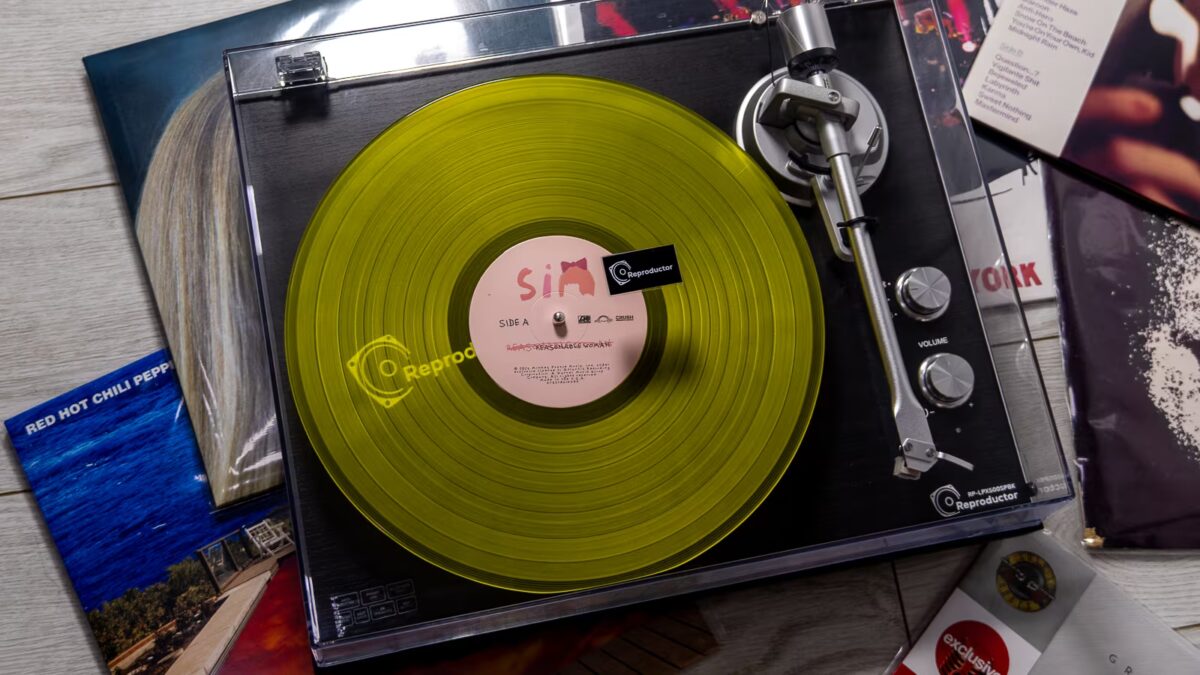
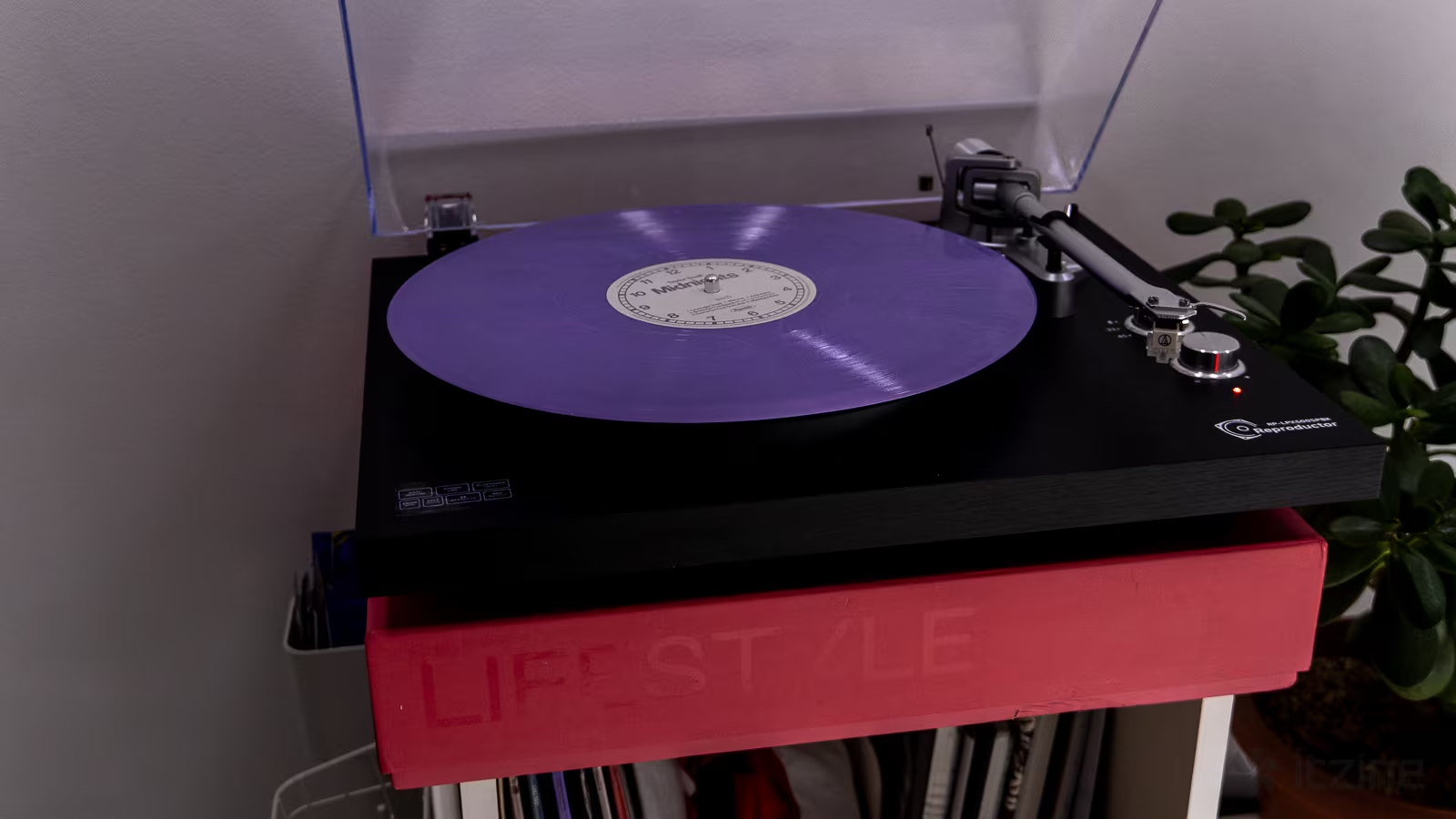
Reproductor’s RP-LPX500SPBK turntable arrives as a ready-to-go vinyl setup, priced at 34,990 rubles (~$470). The Russian brand, founded in 2024, offers a beginner-friendly package that includes the turntable plus a pair of speakers-no extra gear required beyond your first record. With a belt-drive mechanism, a pre-installed Audio-Technica AT3600L cartridge, a built-in switchable phono preamp, and Bluetooth 5.0 for streaming from smartphones, it’s designed to get novices spinning vinyl without headaches over compatibility or additions.
- Type: Vinyl turntable, belt drive, includes speakers
- Price: from 34,990 RUB (April 2025)
- Cartridge: Audio-Technica AT3600L with spherical stylus
- Connectivity: Bluetooth 5.0 receiver, RCA output for external amp
- Target: Vinyl beginners without existing speakers
Why vinyl still matters in a streaming world
With licensing issues constantly reshaping streaming libraries and entire albums vanishing, physical media like vinyl offers permanence. A record doesn’t rely on internet access, subscription models, or corporate decisions. It ”belongs” to you. This growing desire for music ownership has fueled a global vinyl revival. In the U.S., vinyl sales surpassed CDs in 2020 for the first time since the 1980s, with over 43 million records sold in 2023 alone, according to the Recording Industry Association of America (RIAA).
Russia mirrors this trend with resurging interest in vintage formats like MP3 players, cassette decks, and vinyl itself. Vinyl remains resilient due to its unique cultural and sonic appeal: the ritual of playing records, the warm analog sound, and the joy of collecting physical albums. In this context, Reproductor was launched in 2024 as a Russian brand focusing on accessible turntables combined with local support-unlike gray imports, they promise in-country service and spare parts availability.
Design and ease of use for newcomers
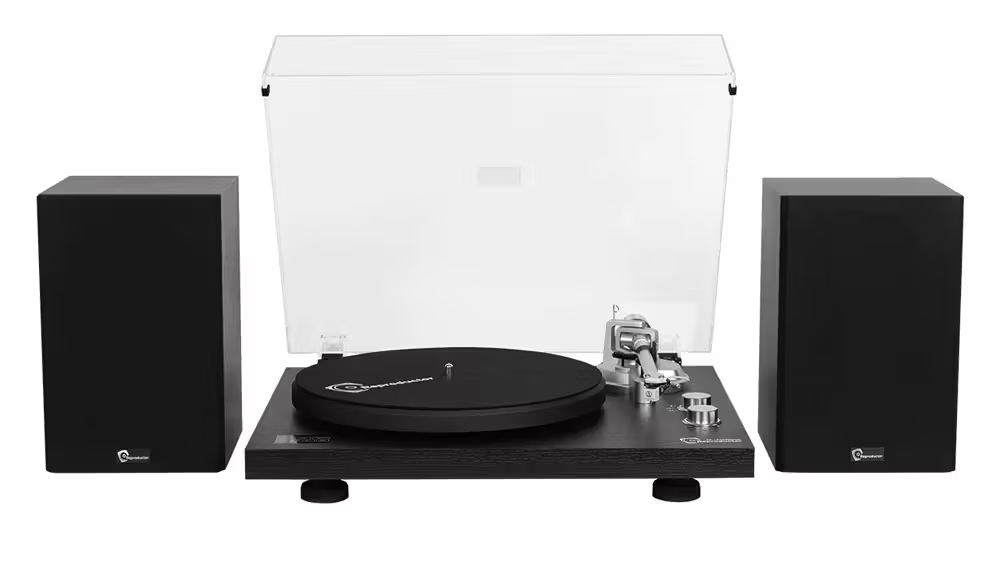
What stands out about the RP-LPX500SPBK is its all-in-the-box usability. Unlike suitcase-style players that sacrifice quality, this package includes a detachable cartridge that’s safe for records, a well-balanced tonearm, and stereo sound with real bass depth. No need to pizza-slice options between tonearms, phono preamps, or cartridges-simply unbox, connect speakers, and play.
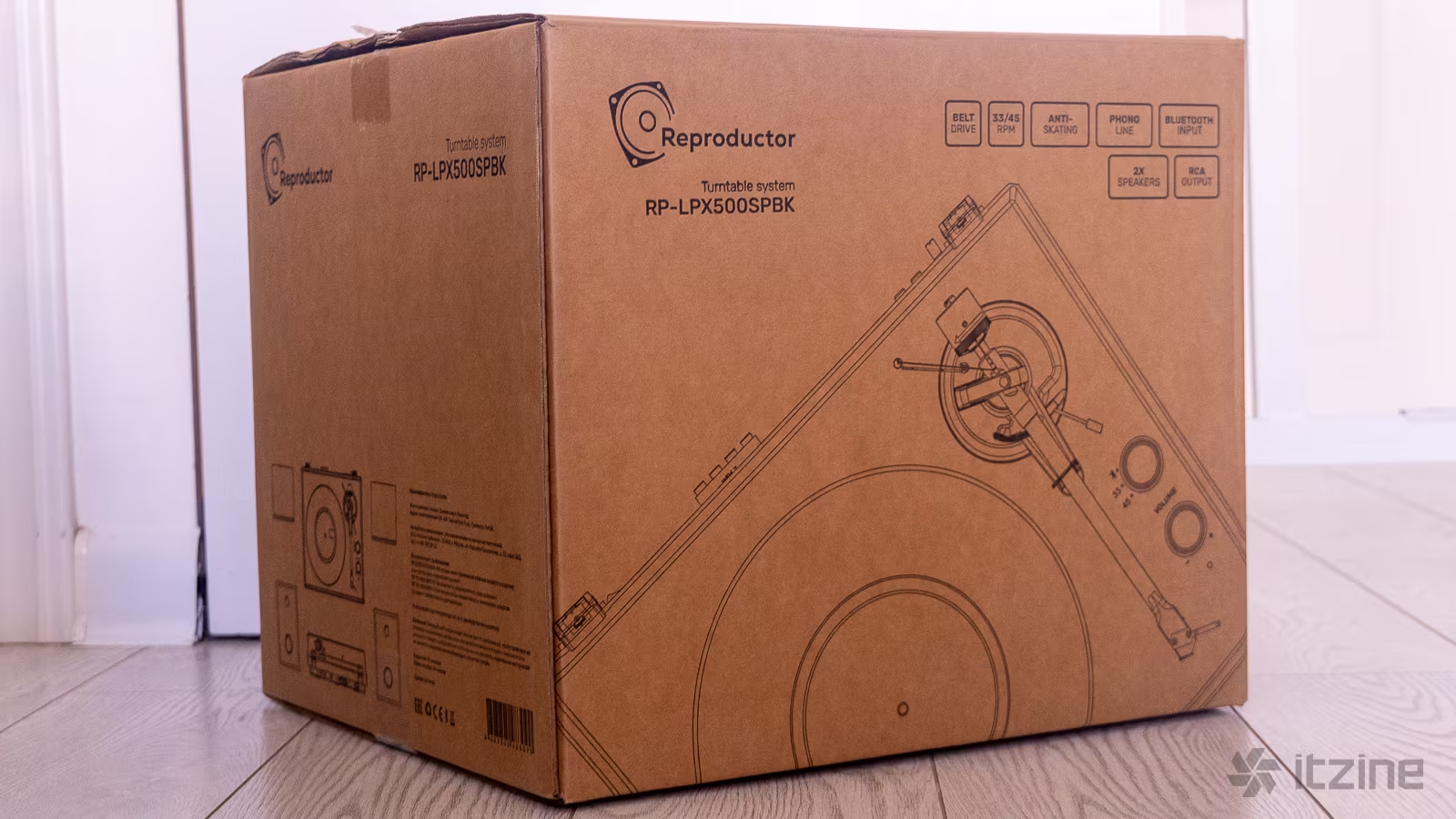
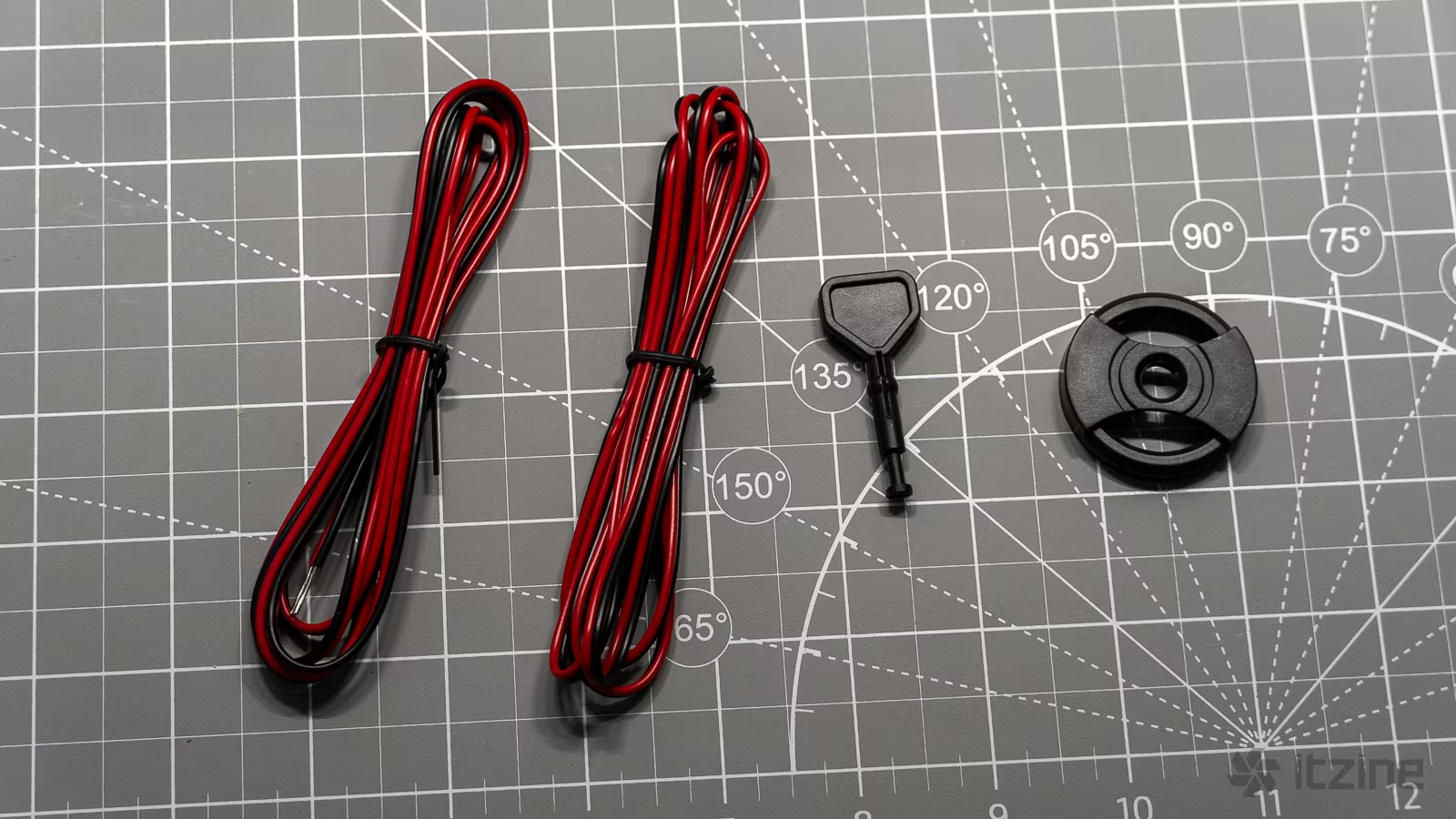
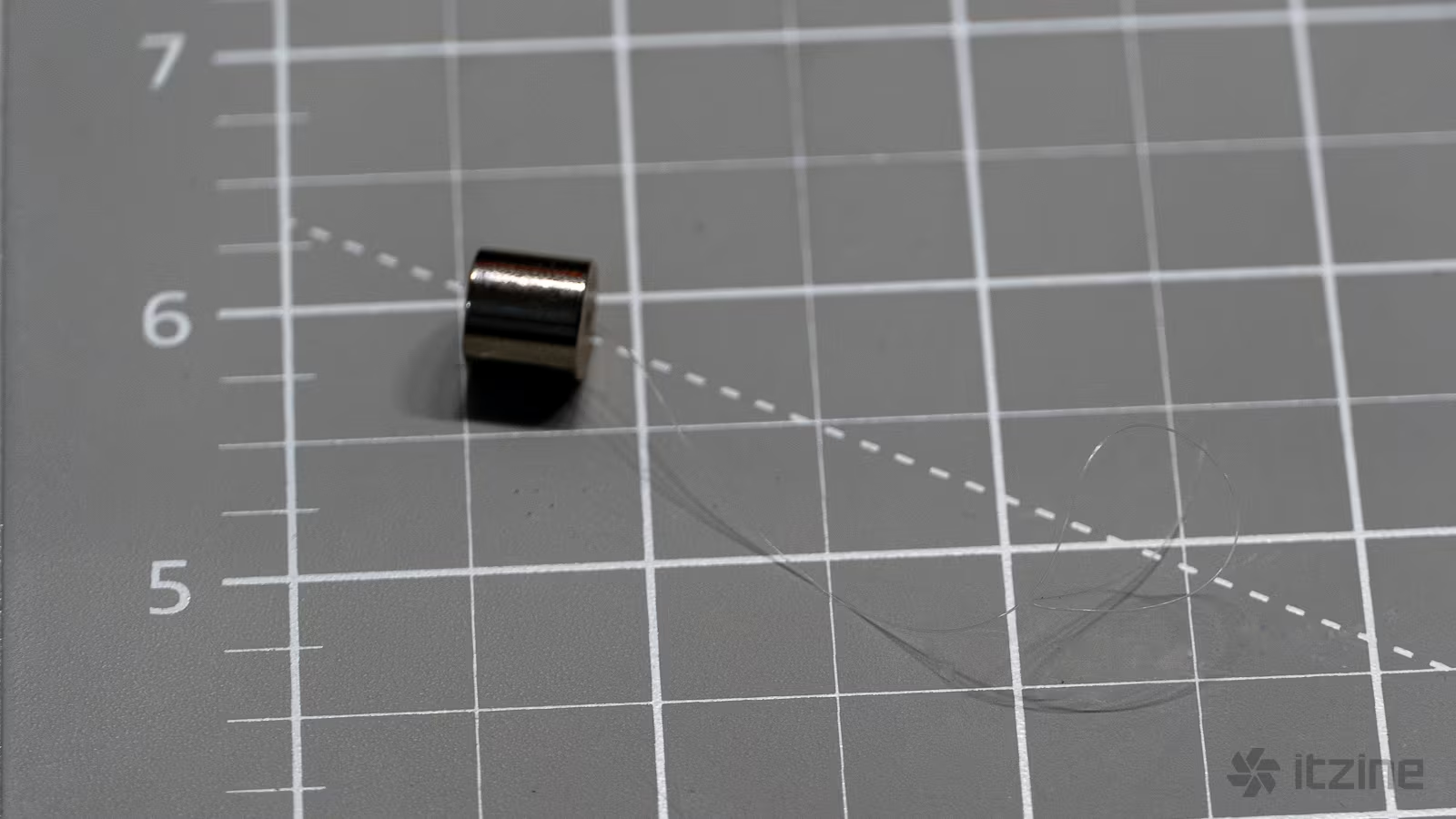
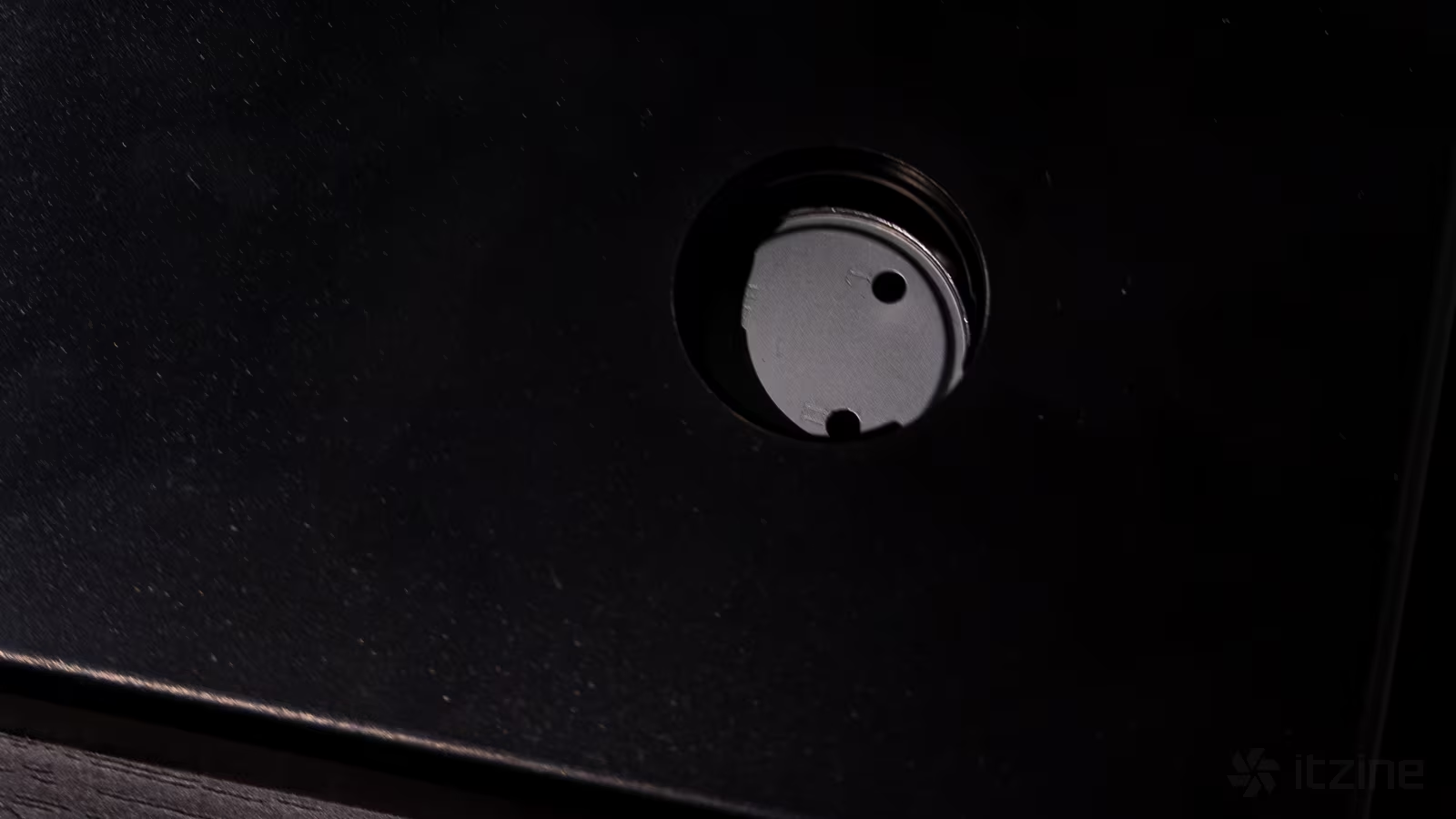
The package includes two 30W passive speakers totaling 60W, a transparent acrylic dust cover with damping, a branded felt slipmat, a 45 RPM adapter, a belt replacement tool, a cartridge alignment card, and 1.2-meter speaker cables. Not included: RCA cables for external amplifiers, which buyers must source separately. Speed adjustments are hidden under a small cover on the base, with two holes allowing access to fine-tune the 33 and 45 RPM speeds.
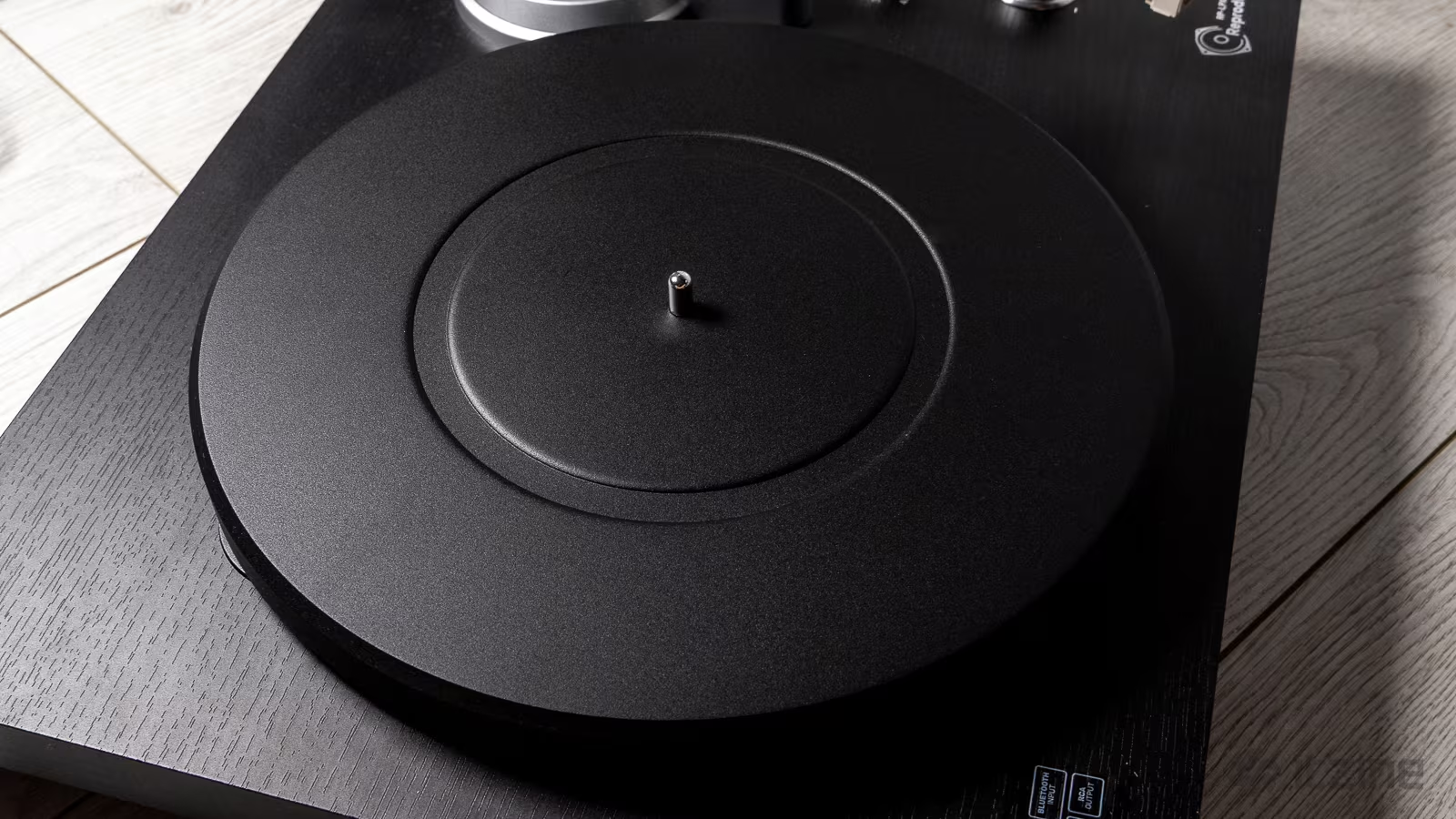
The turntable chassis is matte black MDF-which dampens resonance better than plastic-though it picks up dust easily. A hefty 1.5kg aluminum platter adds rotational inertia, helping smooth out speed fluctuations that cause ”wow and flutter” in belt-drive designs. Measuring 560 × 415 × 240 mm and weighing 9.5 kg with speakers, the RP-LPX500SPBK feels substantial on a shelf.
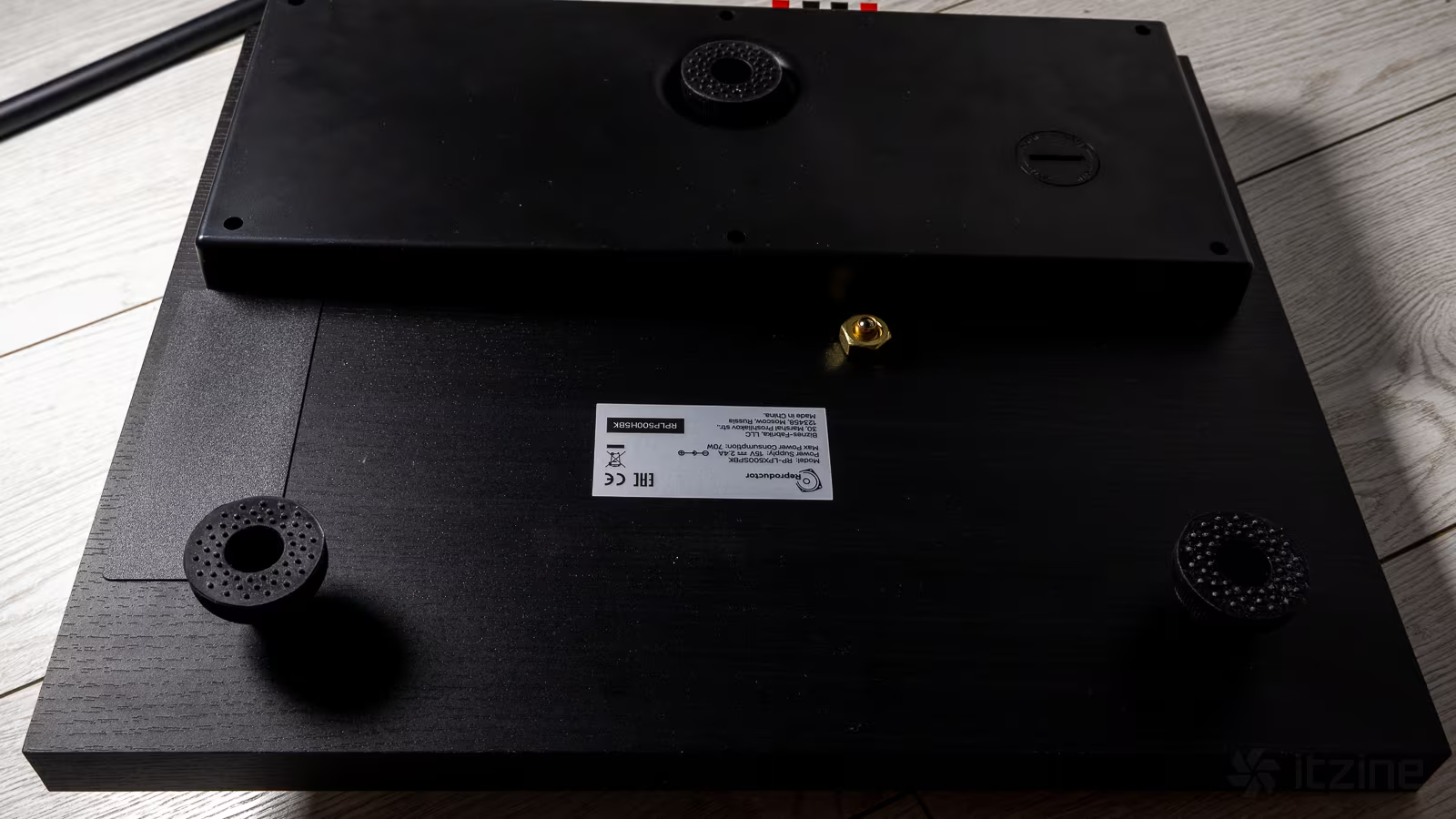
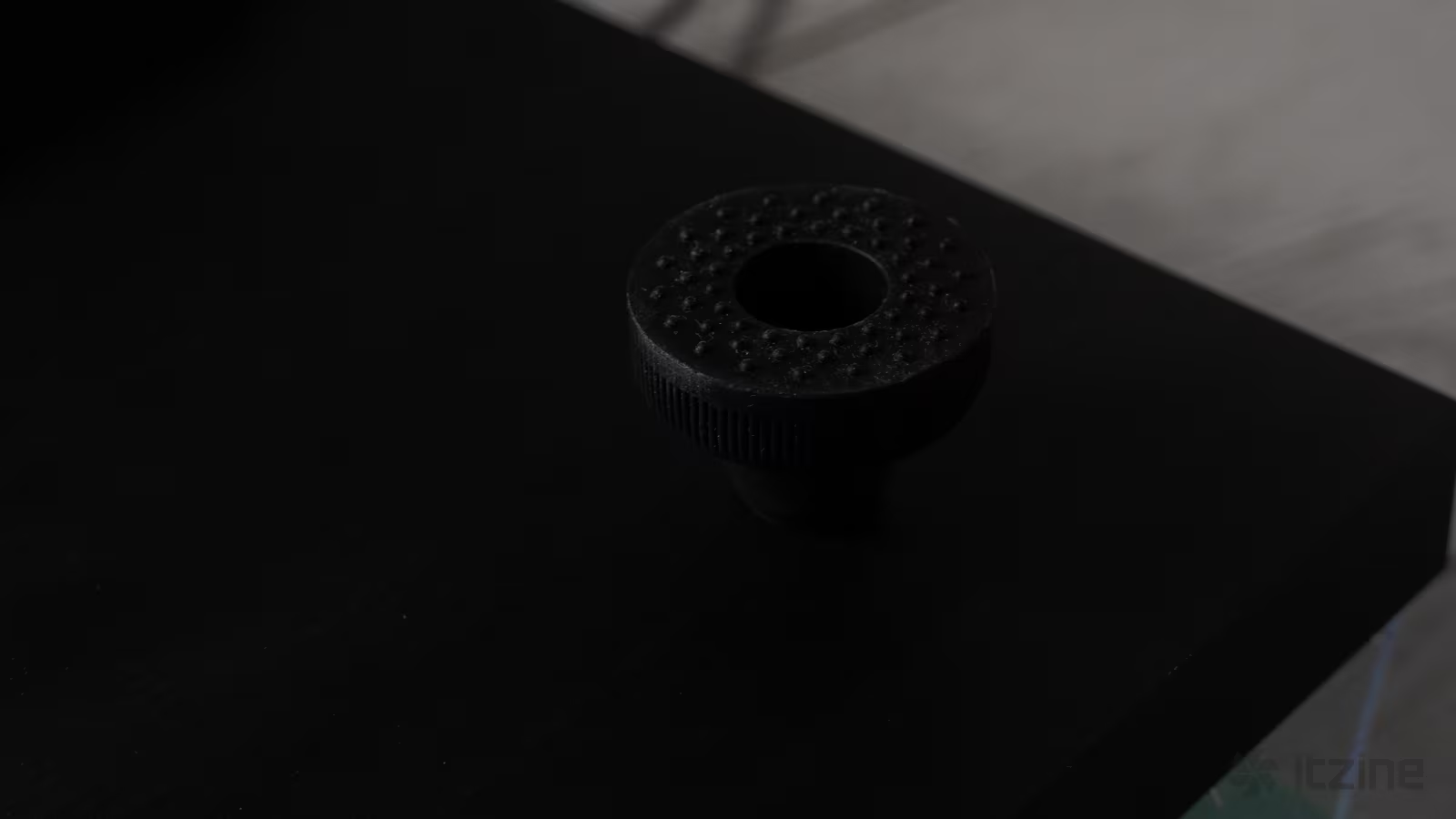
The three sturdy rubber feet provide stable footing, eliminating wobble common with four-legged designs-three points always form a stable plane. Still, adjustable feet would have been a welcome feature to handle uneven surfaces; for now, users might need to improvise with small props.
Tonearm, cartridge, and mechanics
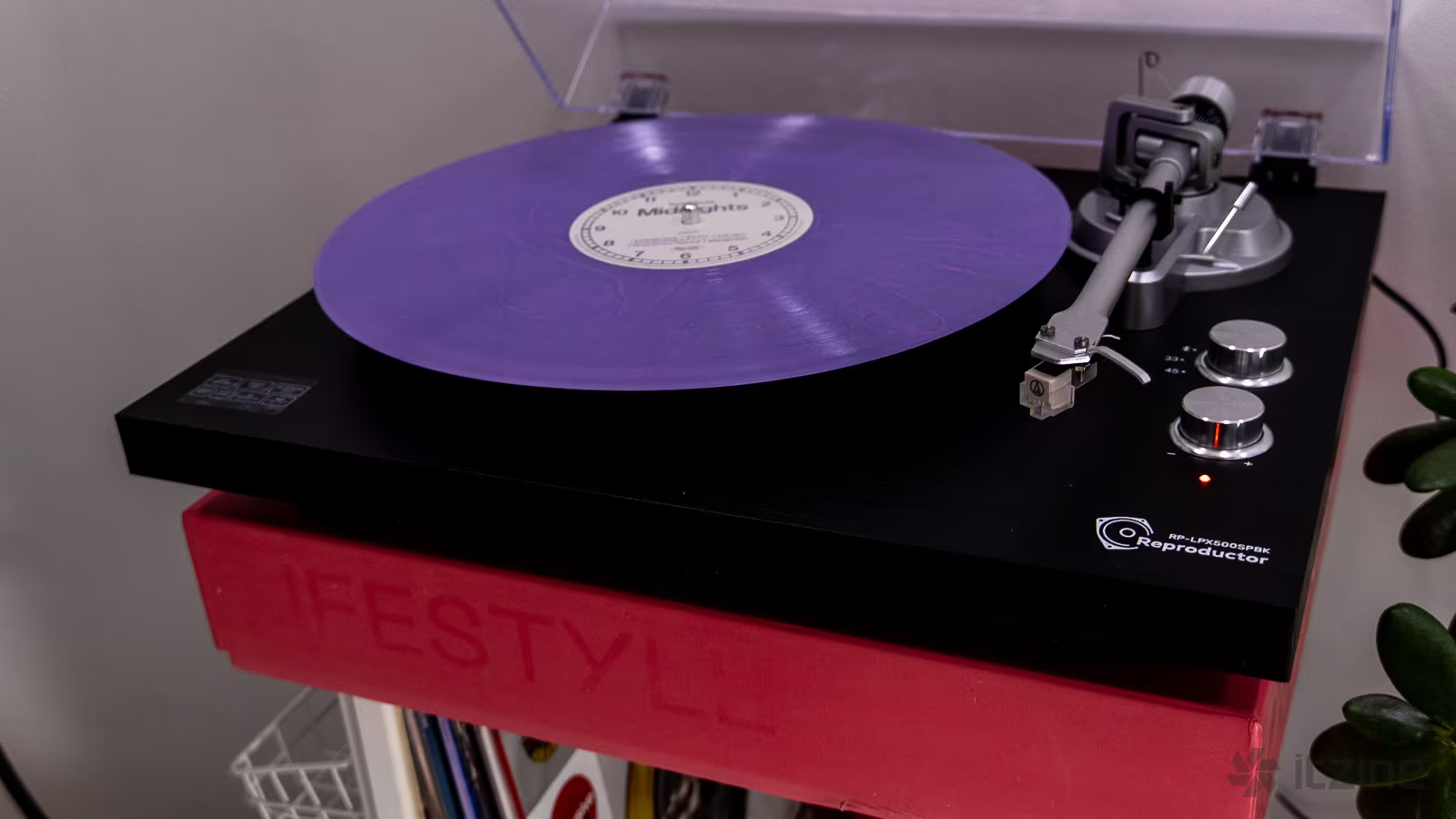
The RP-LPX500SPBK employs a classic straight aluminum tonearm on a gimbal bearing, minimizing play. Its effective length is 218.5 mm (8.6 inches), with a non-removable headshell and no height adjustment-limiting cartridge upgrades to units with matching profiles. However, at this price, a straight tonearm is standard and easier for beginners to set up than an S-shaped design, with negligible audible difference on budget cartridges.
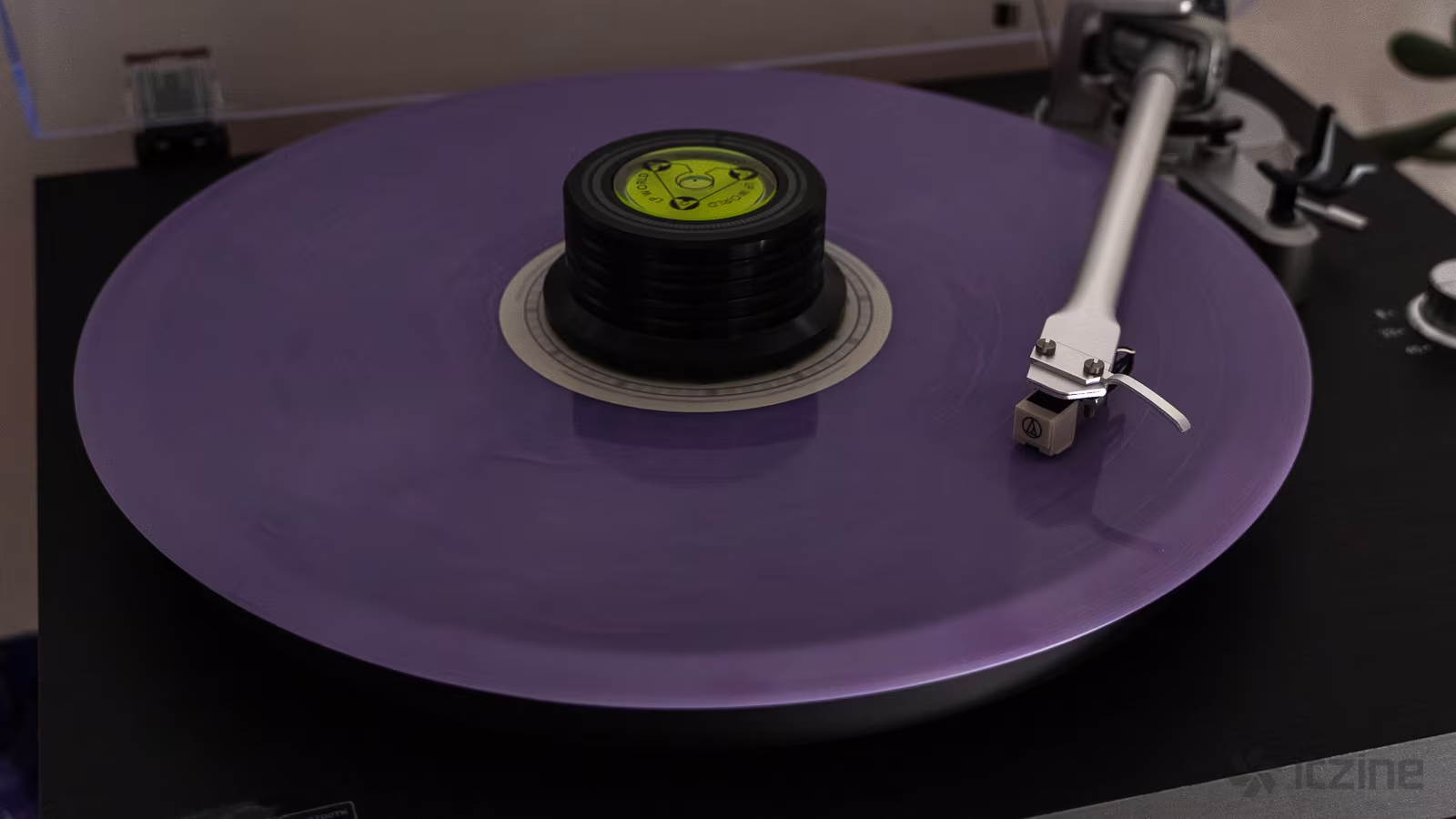
The calibrated counterweight features a gram scale and rotates around the axis for setting tracking force, crucial for stylus longevity and record safety. The included AT3600L cartridge recommends roughly 3 grams of force. Setting it too low risks skipping; too high causes excess wear. Precise adjustment, ideally with a small digital scale, makes a big difference. Coffee enthusiasts might already own suitable scales used for their brews.
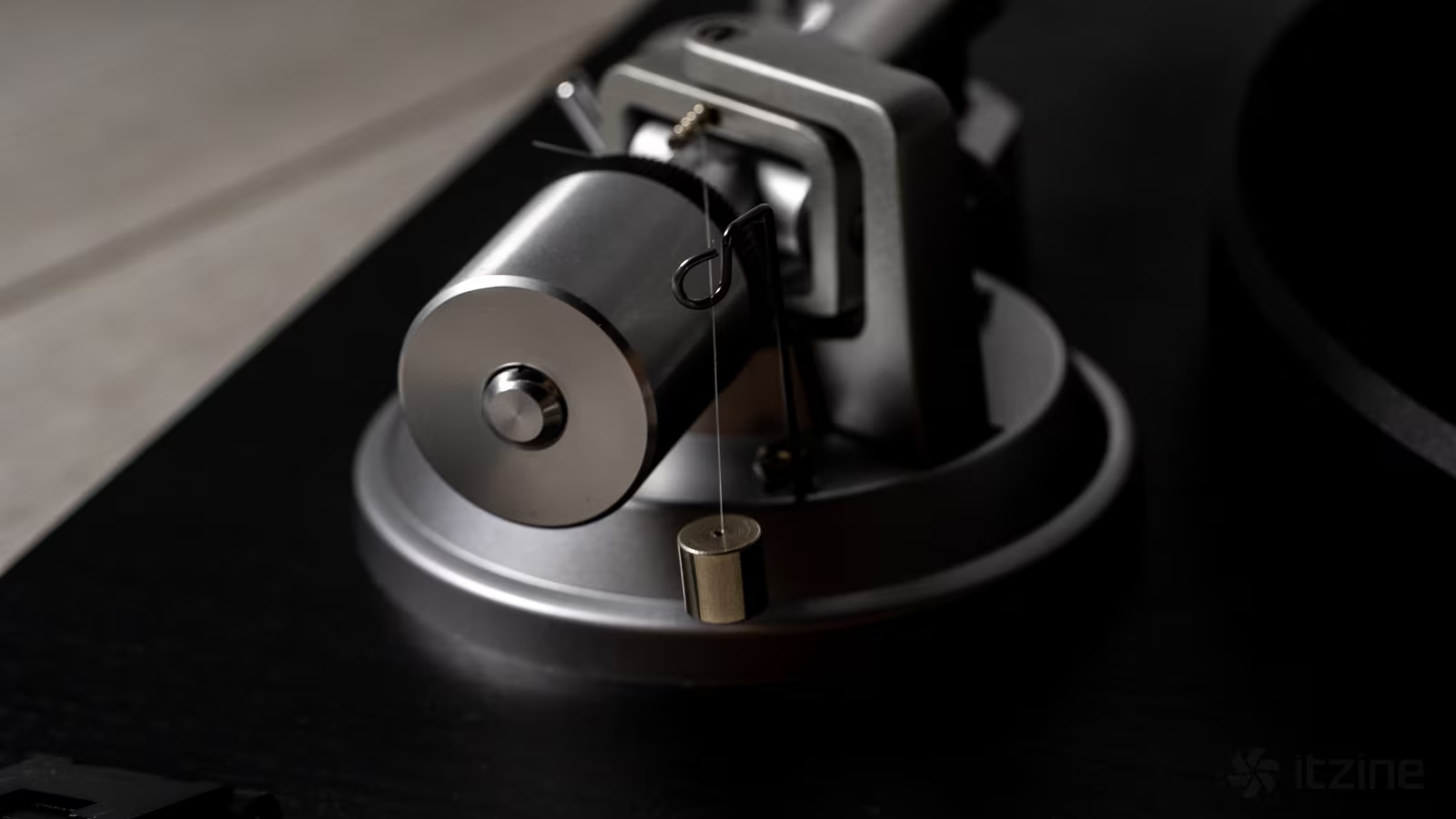
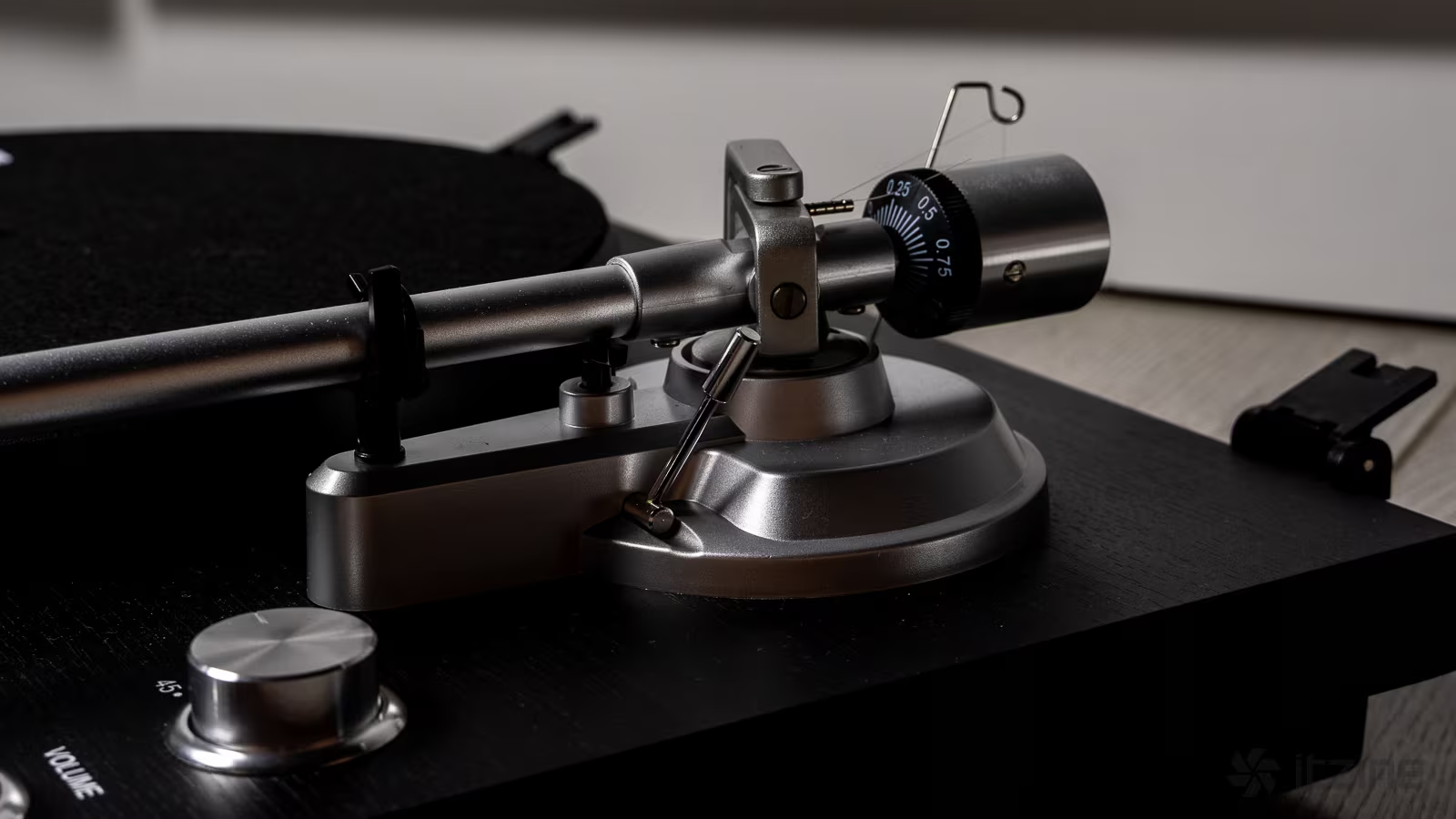
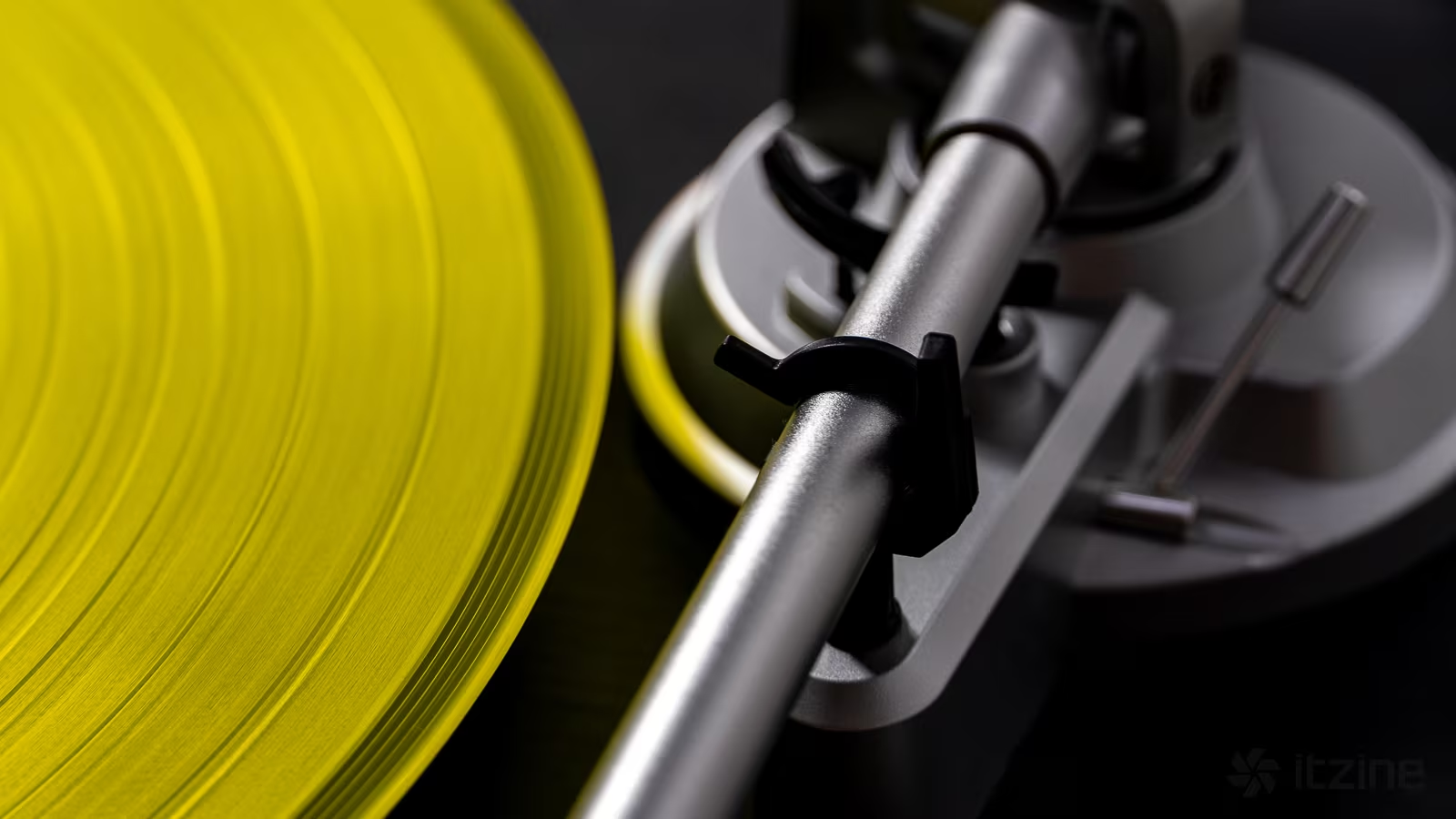
Antiskating uses a simple weighted string system that slides over a marked scale nearby. It’s a common low-cost solution found on entry-level decks. While less precise than magnetic or spring systems, it does its job well enough for casual listening. Advanced users who want to dial in perfect balance often use test records and digital scales for tweaking.
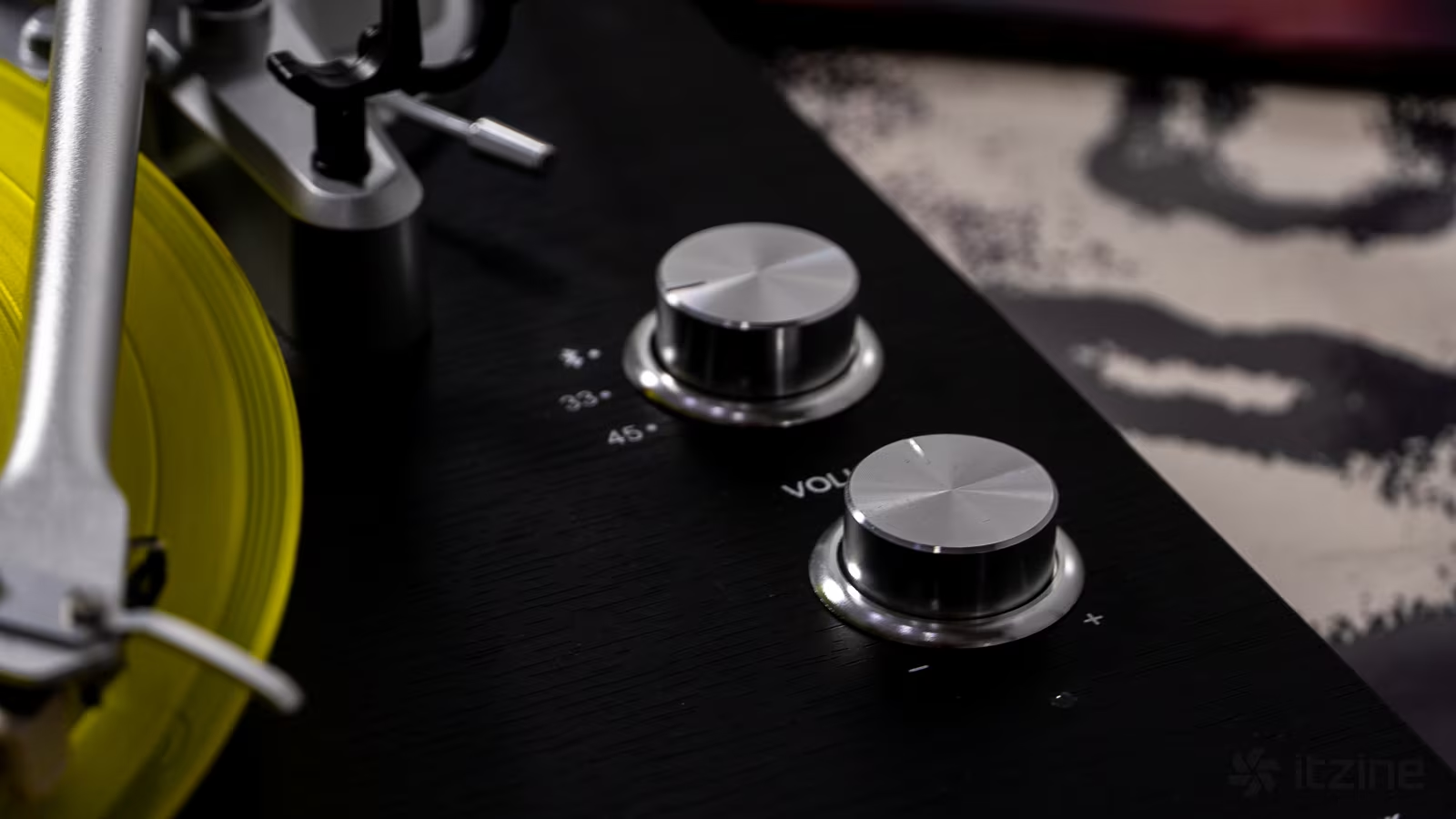
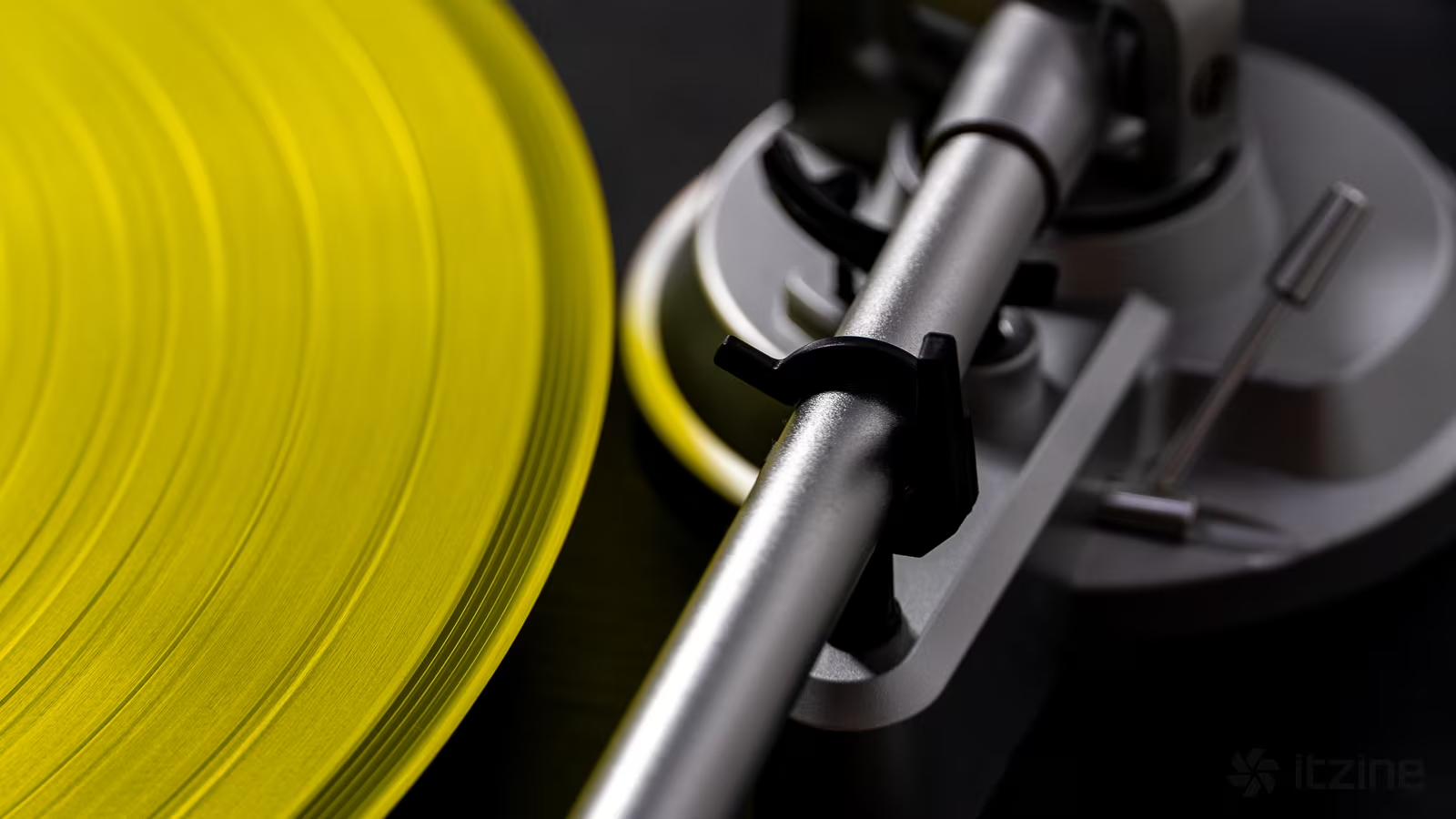
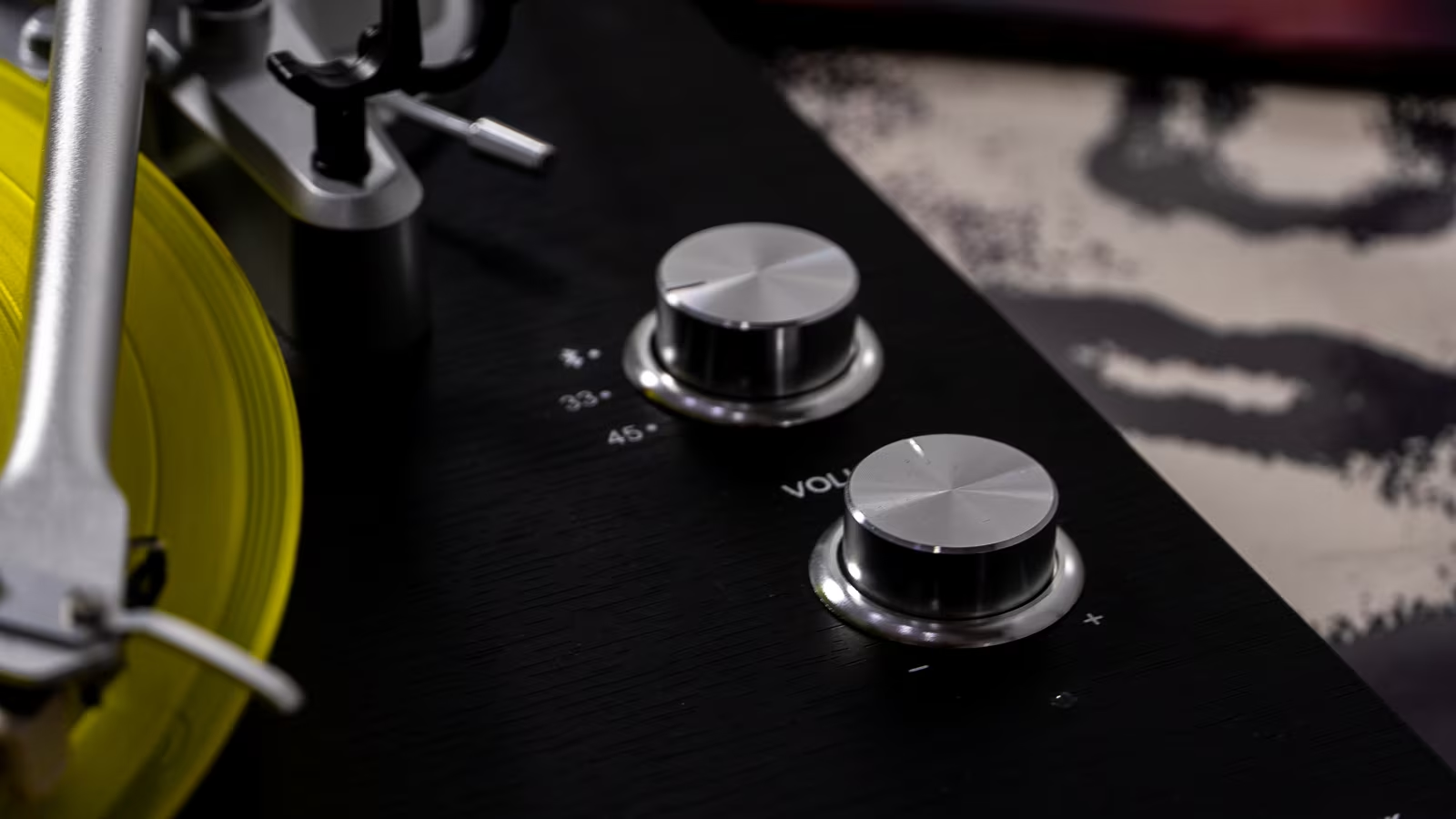
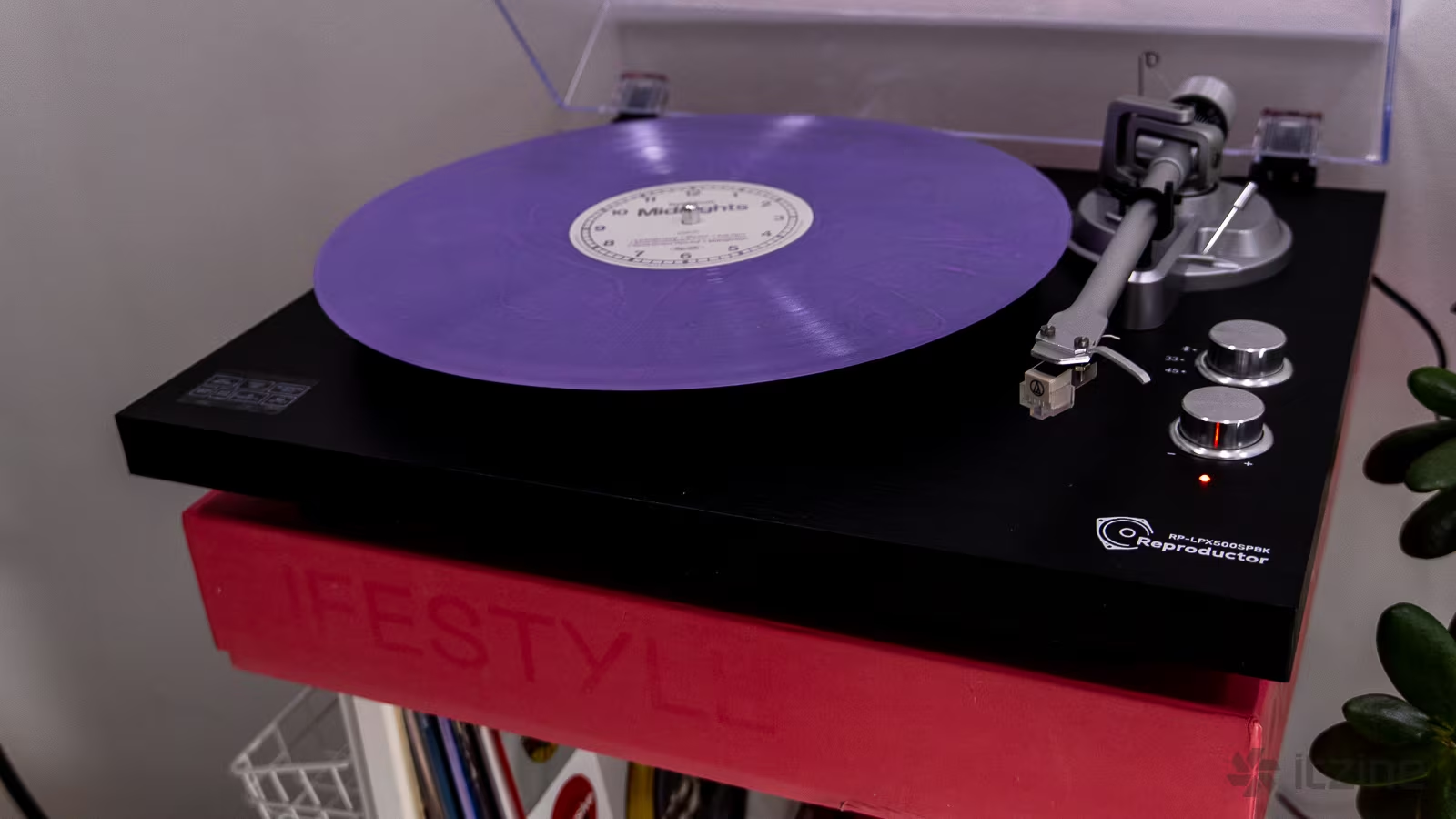
The tonearm features a micro-lift lever near the speed and volume controls at the bottom right of the plinth, ensuring smooth needle placement and lift without jarring. The motor starts automatically when the tonearm moves over the platter and stops when the arm returns, eliminating manual start/stop toggles. This is convenient but awkward if you want to dust records without spinning the platter-you have to move the tonearm into play first.
The supplied AT3600L cartridge is a popular moving magnet model delivering 2.5 mV output with decent channel separation and balance, mounted on a spherical stylus. This cartridge is widely used worldwide for its consistent quality and record-safe tracking at correct forces. While elliptical styli offer better high-frequency detail, this setup is perfectly fine for starters, and the cartridge can be swapped later without replacing the entire turntable.
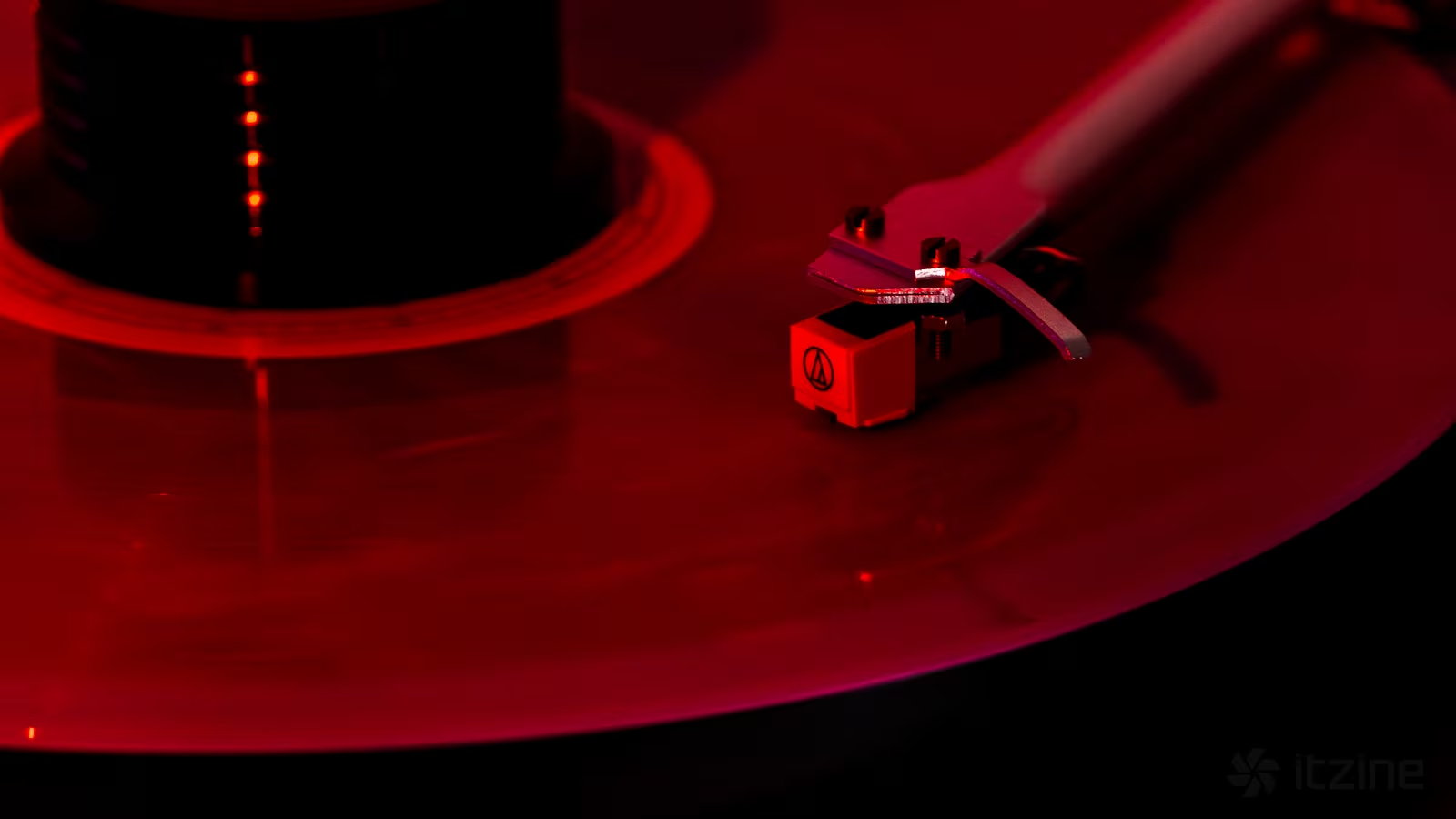
Signal-to-noise ratio measures around 65 dB-solid for entry-level gear, though higher-end models reach 70-80 dB. The turntable includes a switchable onboard phono preamp, allowing you to bypass it to connect an external amp via RCA if desired. The 36W power supply comes with a 1.8 m cable. However, there’s no auto-stop feature-the needle will keep running in the record’s locked groove after the music ends, which can lead to premature stylus wear and motor heat buildup. For newcomers, this omission is inconvenient and was pointed out as a ”serious downside” by reviewers at iXBT Live. Auto-stop mechanisms are relatively simple and usually included, making this absence somewhat puzzling.
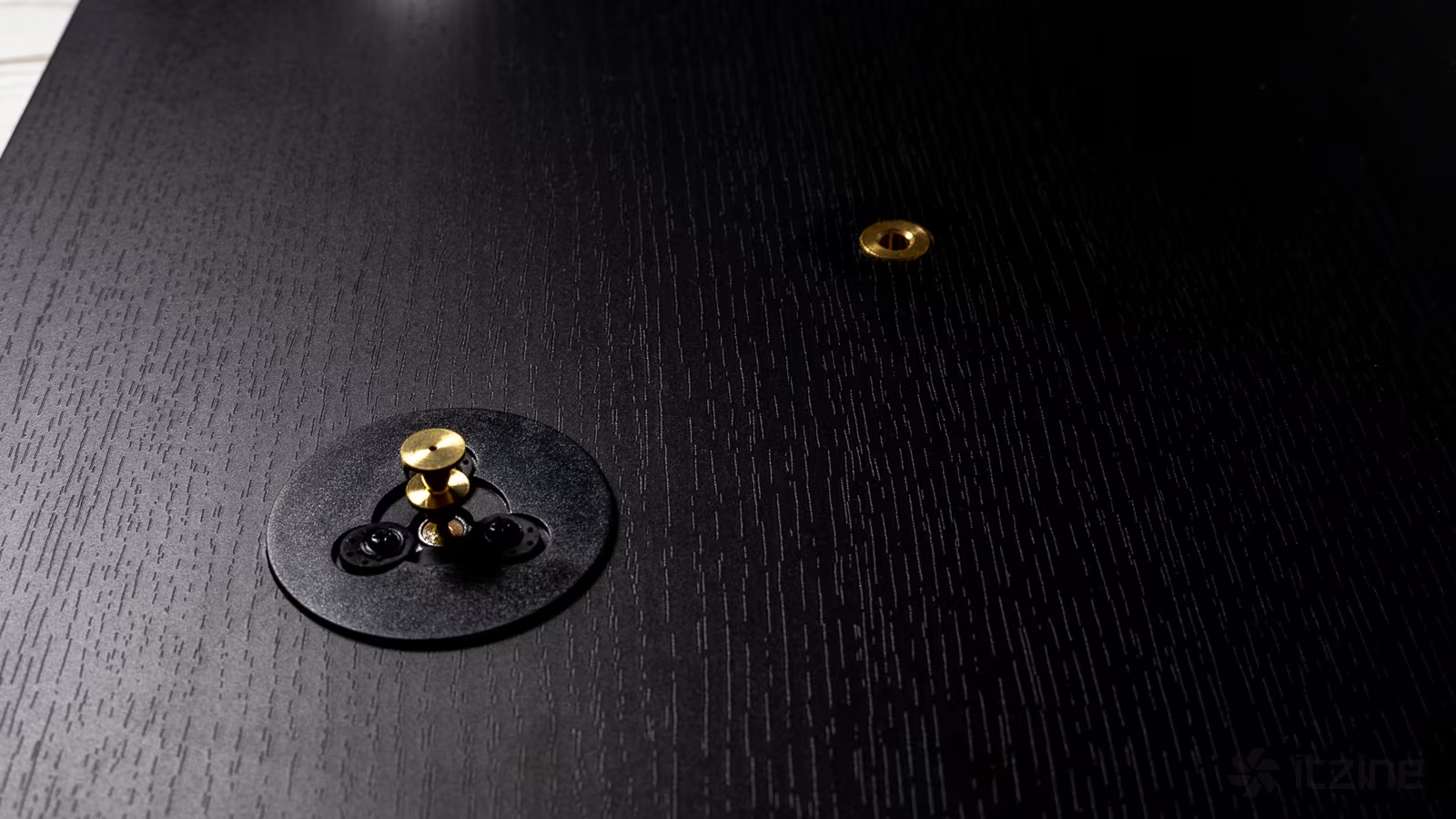
The belt-driven motor was slightly fast from the factory. Tests showed 33 RPM mode spinning at 33.99 RPM (+1.96%) and 45 RPM at 45.61 RPM (+1.35%). Both speeds are adjustable with two trim pots hidden under the base, tweakable with a small screwdriver and a speed test app. After warming up, speed readings stabilize nicely, with wow and flutter measured at ±0.07% RMS-well below the spec limit of 0.15%. For a belt drive in this price range, this translates to stable playback without audible pitch wobble.
Included speakers and sound quality
The included RP-LPX500G4BK speakers are passive two-way designs with 10 mm MDF enclosures. Each packs a 4-inch paper cone woofer with rubber surround, a 1-inch dome tweeter, and a rear-firing 29 mm bass reflex port. They deliver 30W each with a first-order crossover built around non-polarized capacitors. The player’s built-in amplifier outputs 18W per channel.
They’re well-suited for small to medium rooms, outperforming typical streaming through earbuds by preserving fuller lows and highs. While vinyl record pressings nowadays are often mastered from digital sources, analog playback can reveal subtleties lost in lossy compression from services like Spotify or Apple Music (unless you use lossless). The speakers offer solid midrange performance and some bass presence but don’t expect deep low-end or high volume. For listening to Pink Floyd in a 15-20 square meter space, they’re more than adequate-a reasonable starter kit for newcomers.
Connectivity and interfaces
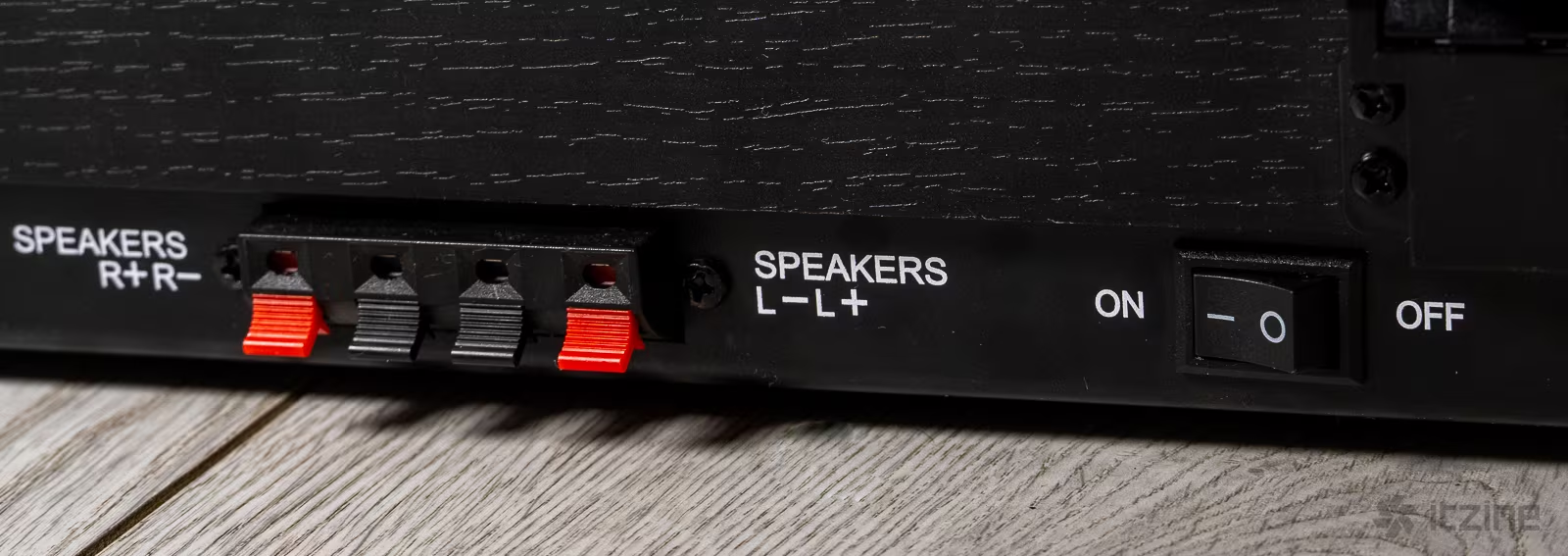
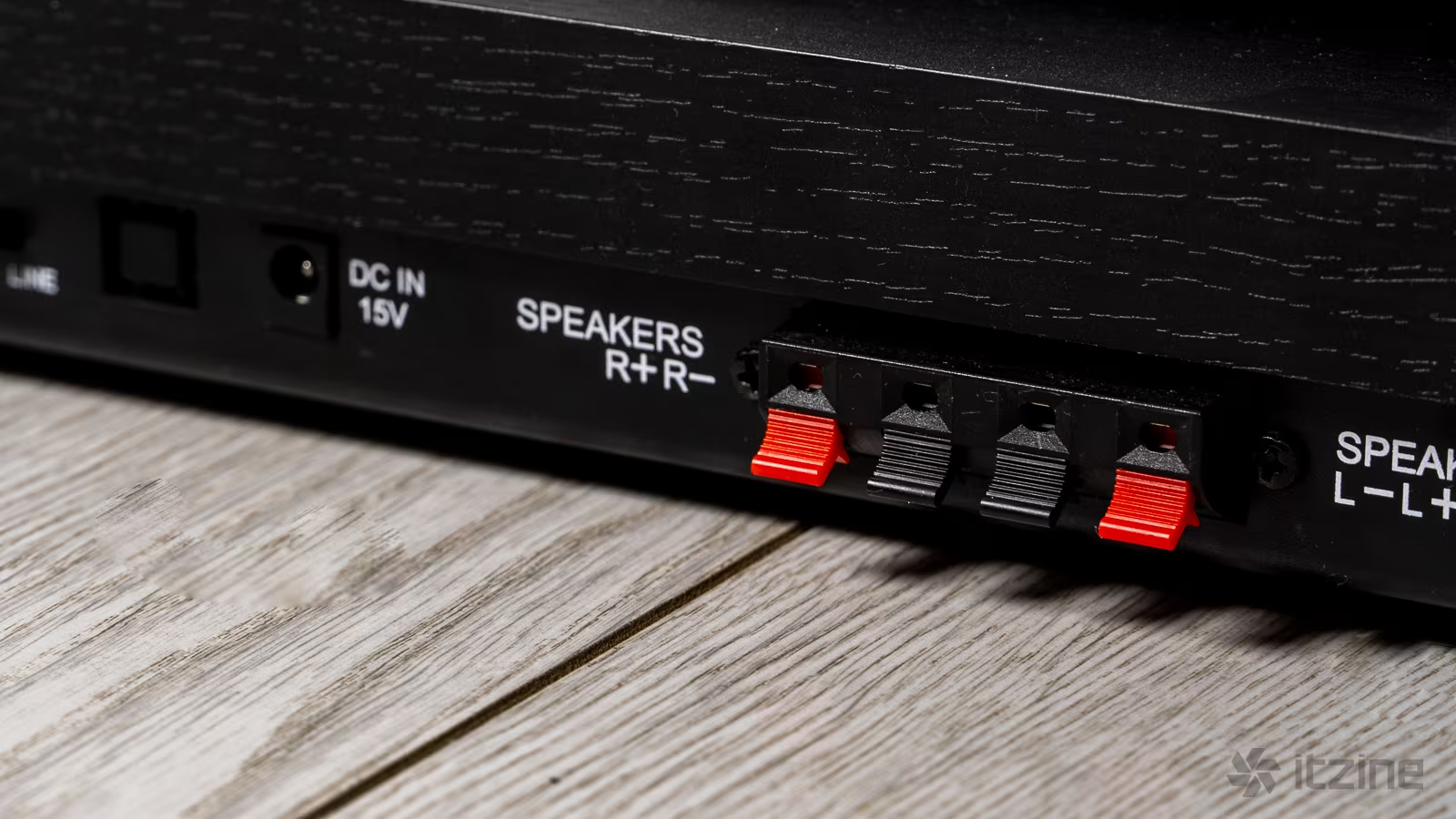
Bluetooth has become a baseline feature even in entry-level turntables. The RP-LPX500SPBK includes Bluetooth 5.0, but only as a receiver-so you can stream audio from your phone or tablet to the built-in amplifier and speakers, effectively doubling as a wireless speaker system. Unfortunately, it can’t send vinyl audio to Bluetooth headphones or speakers. Physical switching between phono and Bluetooth input is done via a toggle on the unit.
An RCA output allows connection to an external amplifier or receiver if you want to upgrade sound or use different speakers. This flexibility supports gradual system improvement without replacing the entire turntable.
Competitors and alternatives to RP-LPX500SPBK
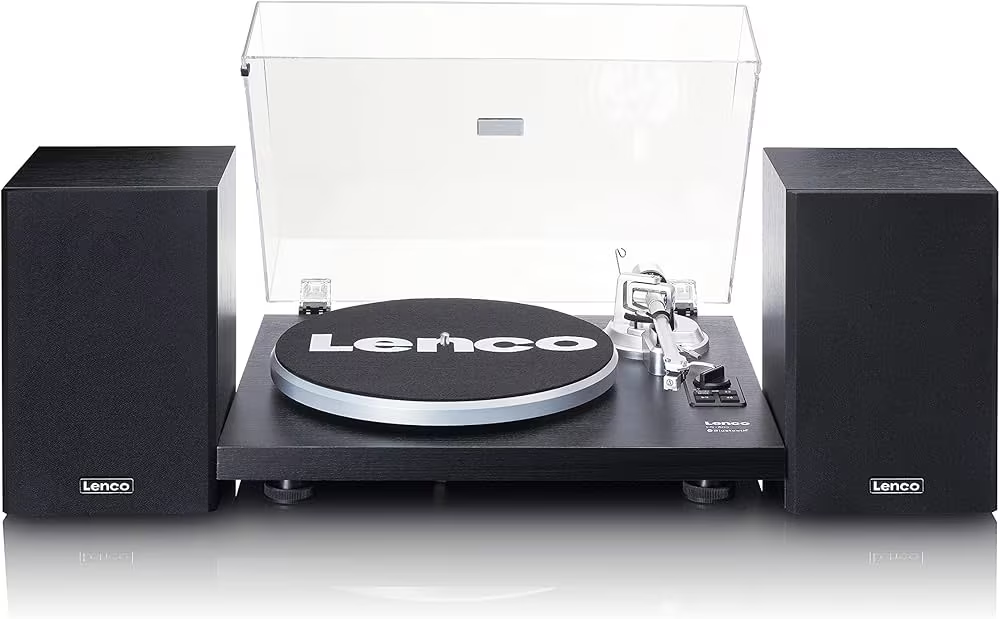
The closest rival is the Lenco LS-500, which pairs identical speakers with a similarly priced package. Lenco, a Dutch brand with roots dating back to 1946, boasts a broader international service network and a reputation for reliable long-term support. Reproductor counters with local Russian service and parts availability, an important factor for buyers prioritizing prompt repairs and warranty coverage domestically.
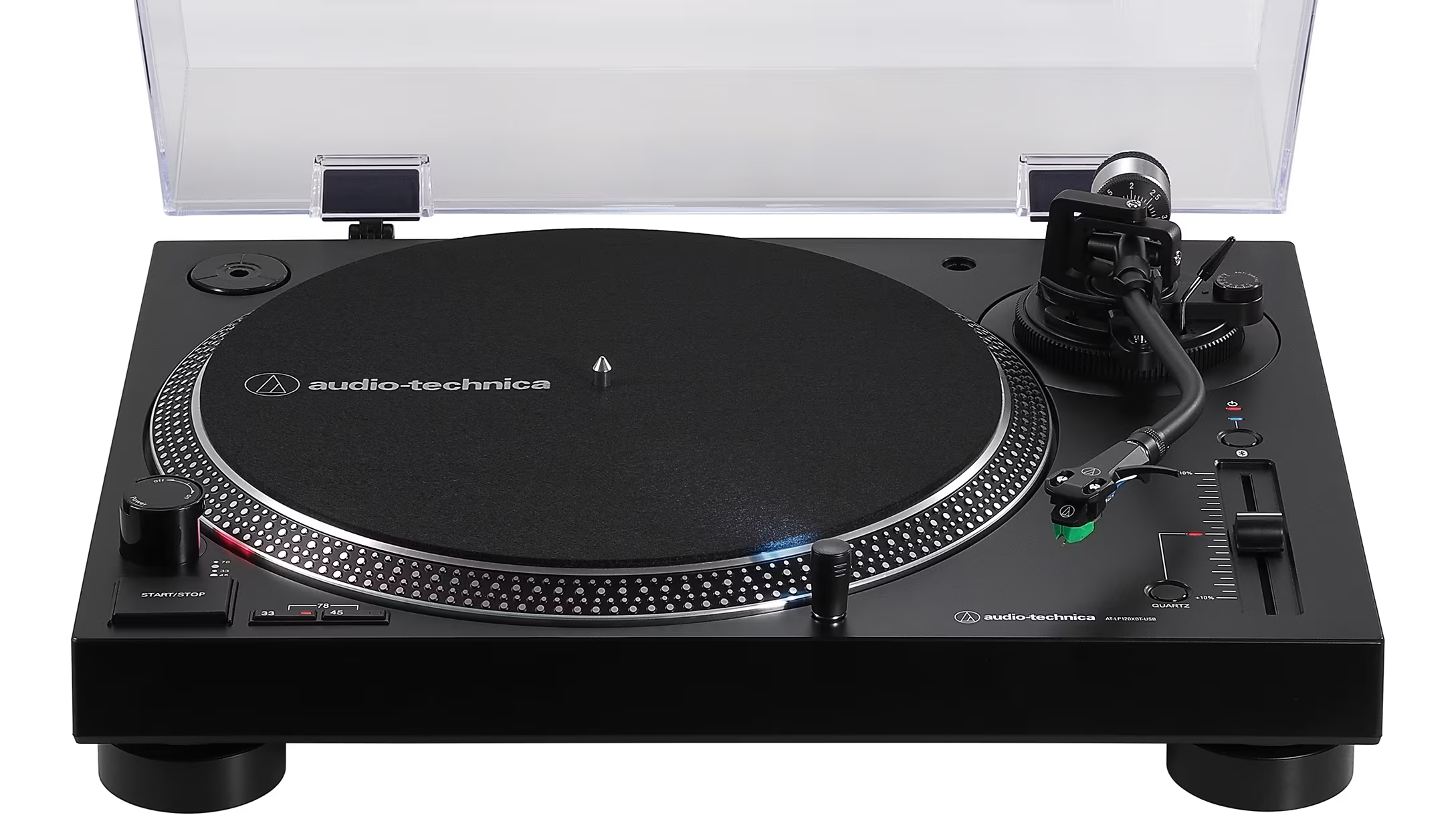
For enthusiasts with existing speakers seeking better mechanics, the Audio-Technica AT-LP120XBT-USB offers a direct-drive motor, S-shaped tonearm, and USB digitization capability, but no speakers included and a higher price. Stepping further up, the Pro-Ject Debut Carbon EVO delivers superior build and sound for a premium cost. Reproductor’s lineup also features the RP-LP2XBT, a turntable-only option for those with their own sound system.
Entry-level all-in-one players like the RP-LPX500SPBK cater to those new to vinyl who want a no-fuss setup without hunting for compatible components. It’s a niche many emerging markets appreciate, where local support and competitive pricing matter as much as features.
Looking ahead, as vinyl’s renaissance continues, we expect brands to integrate smarter features-auto-stop mechanisms, bidirectional Bluetooth streaming, and easier upgrade paths-to help newcomers transition smoothly while preserving the appeal of analog music’s tactile charm. The RP-LPX500SPBK fits neatly at the start of this journey, but users will want to watch how Reproductor evolves this formula to keep pace with global trends and user expectations.