


Canonical has shipped Ubuntu 26.04 LTS, and the message is pretty clear: this long-term release is aimed at modern hardware first, legacy habits second. It drops Xorg desktop sessions entirely in favor of Wayland, raises the recommended memory ceiling to 6GB, and leans harder than before into GPU acceleration, security hardening, and AI-era silicon support.
Wayland only, no Xorg fallback
The biggest compatibility break is also the most symbolic one. Ubuntu 26.04 LTS is the first long-term support release to remove the Xorg desktop session altogether, which means Wayland is now the only desktop path Canonical is willing to support here.
That move tracks with where GNOME and the wider Linux desktop have been heading for years, but it still matters because LTS releases are what conservative users and fleets actually deploy. In other words: Ubuntu is no longer treating Wayland as the future; it is treating it as the present.
GNOME 50, VRR, and a cleaner desktop
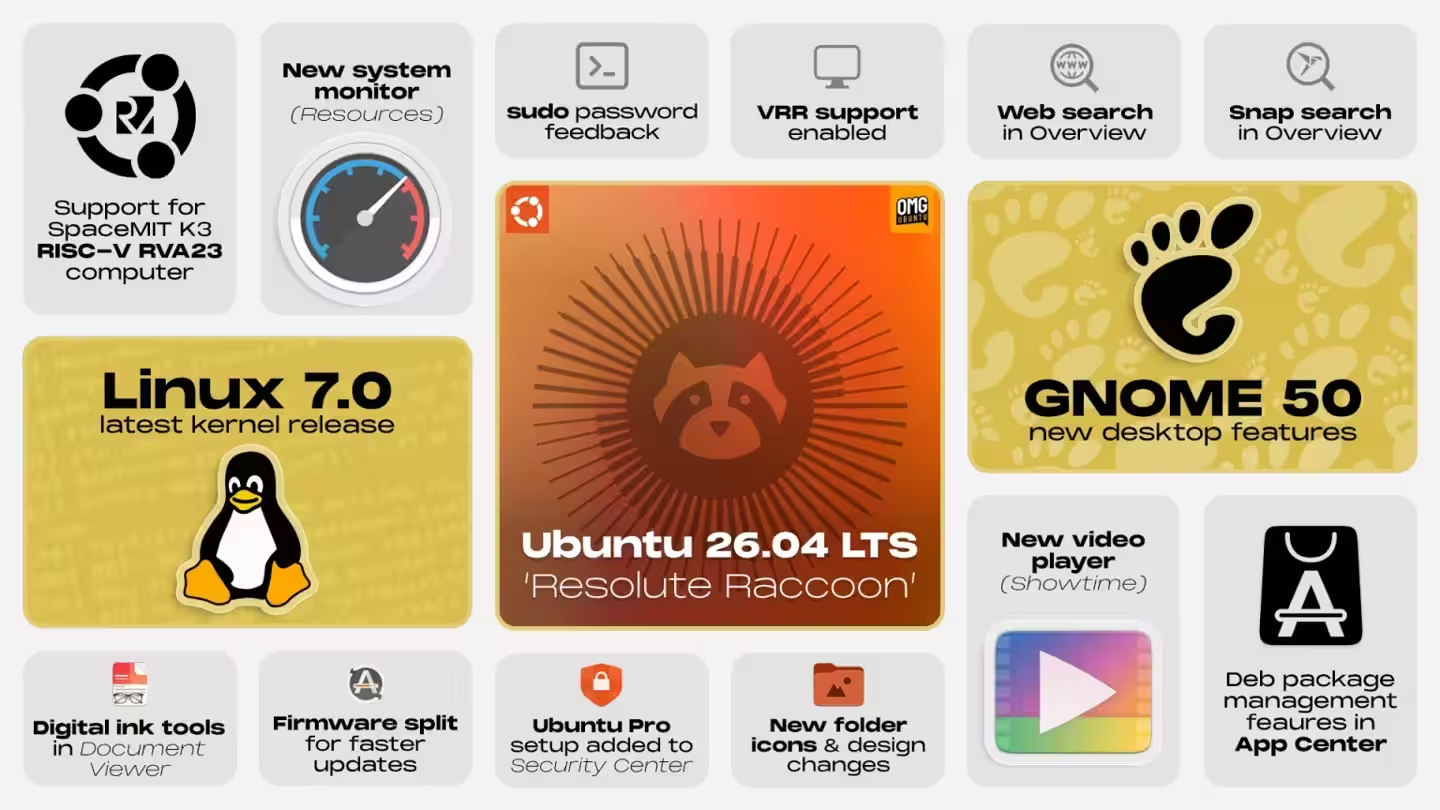
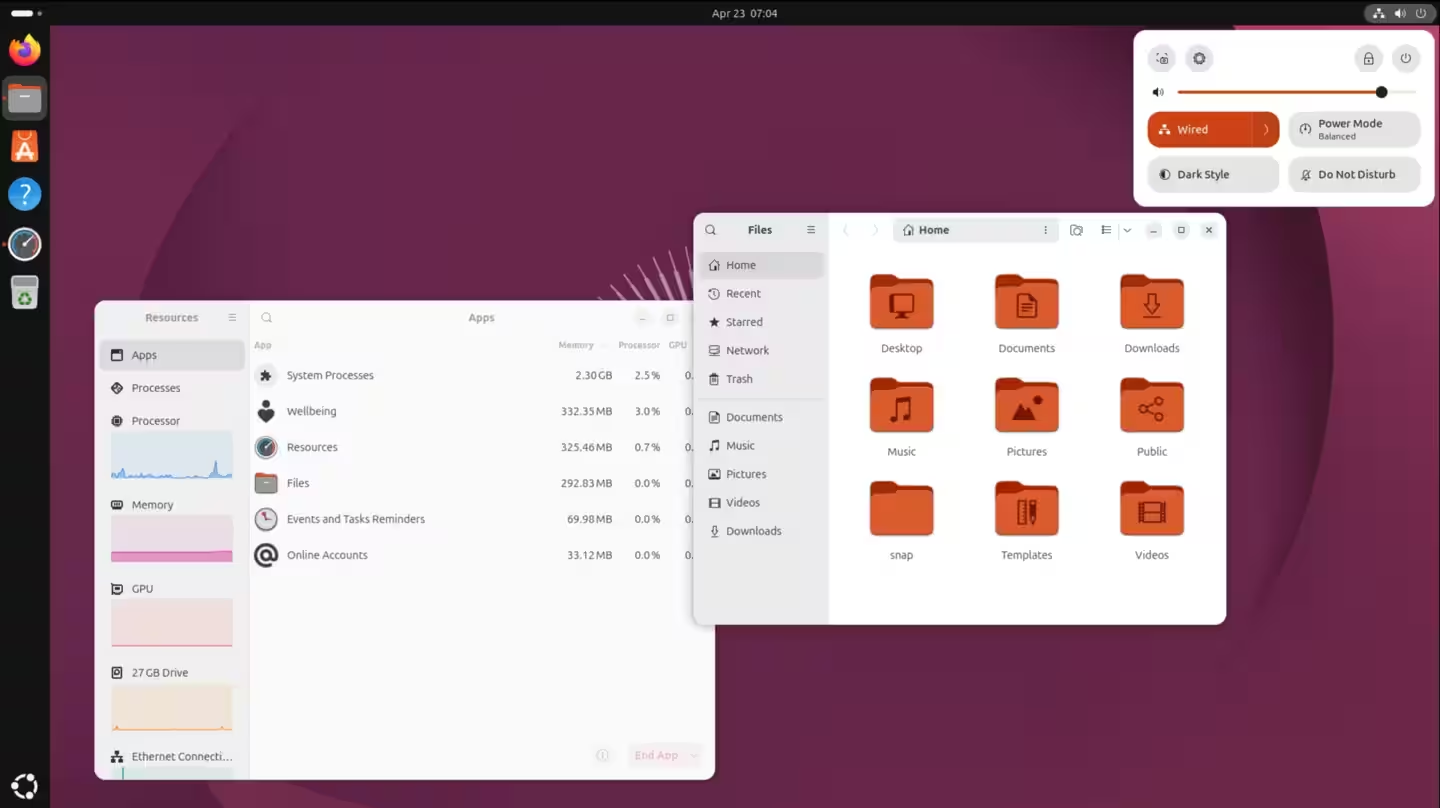
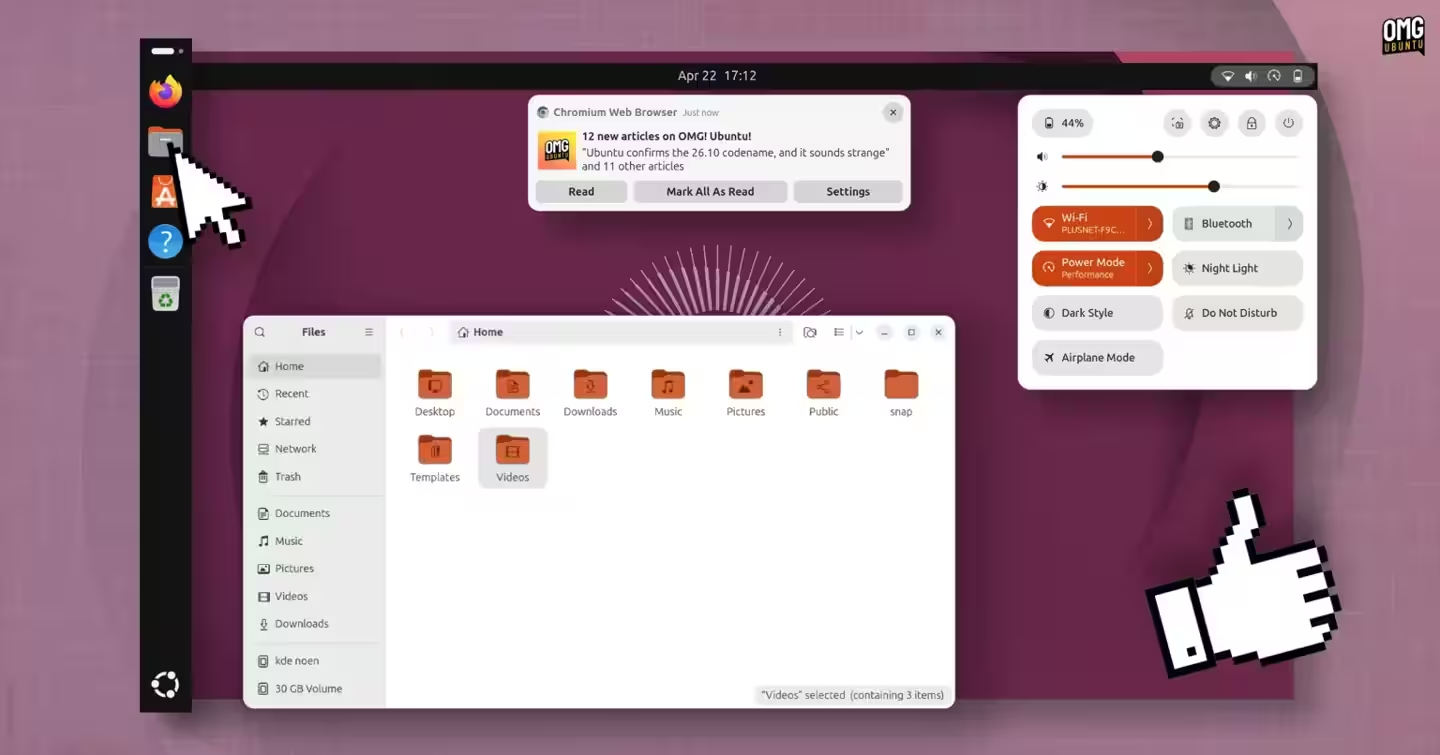
The desktop also gets a visible refresh. Ubuntu 26.04 LTS moves up to GNOME 50, turns variable refresh rate on by default, and gives Nautilus a speed boost. The look is being tightened too, with higher-contrast visuals and a more uniform rounded design language.
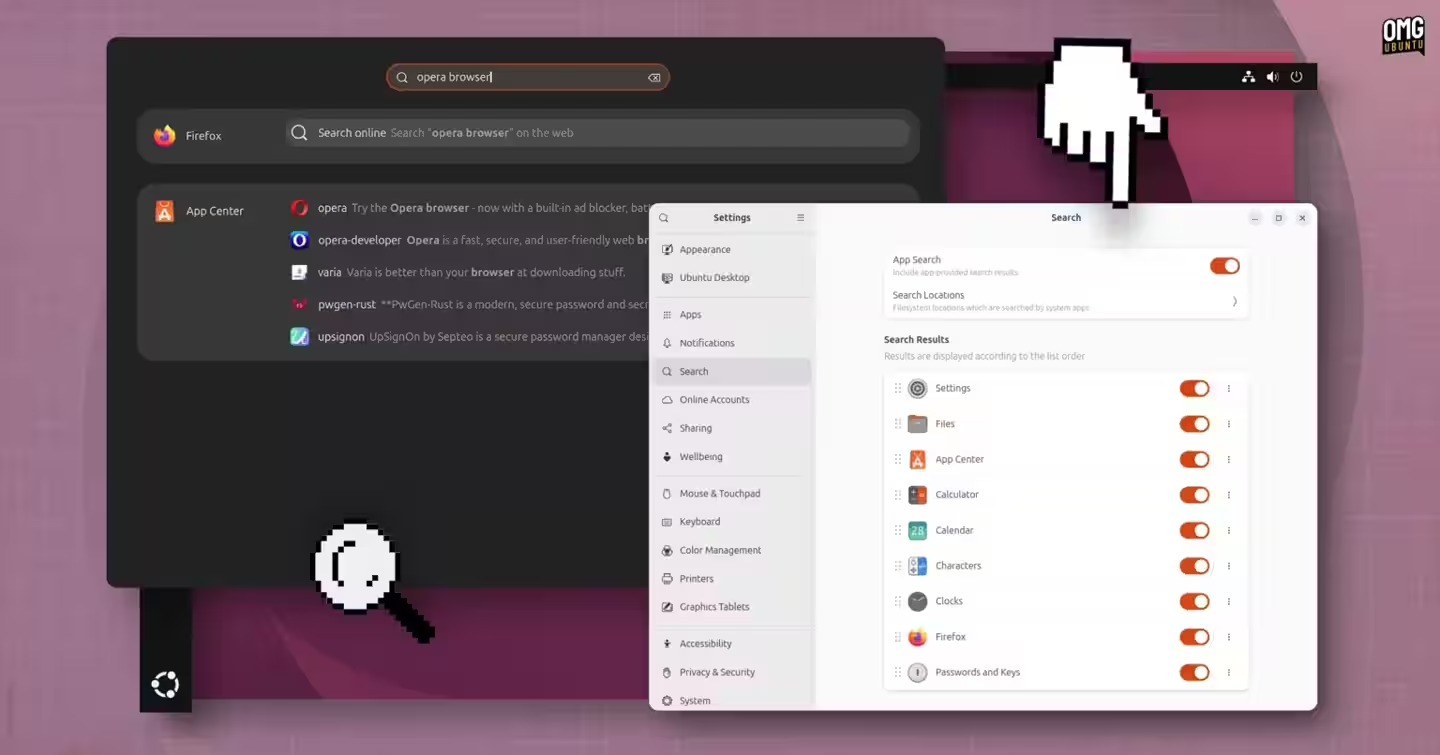
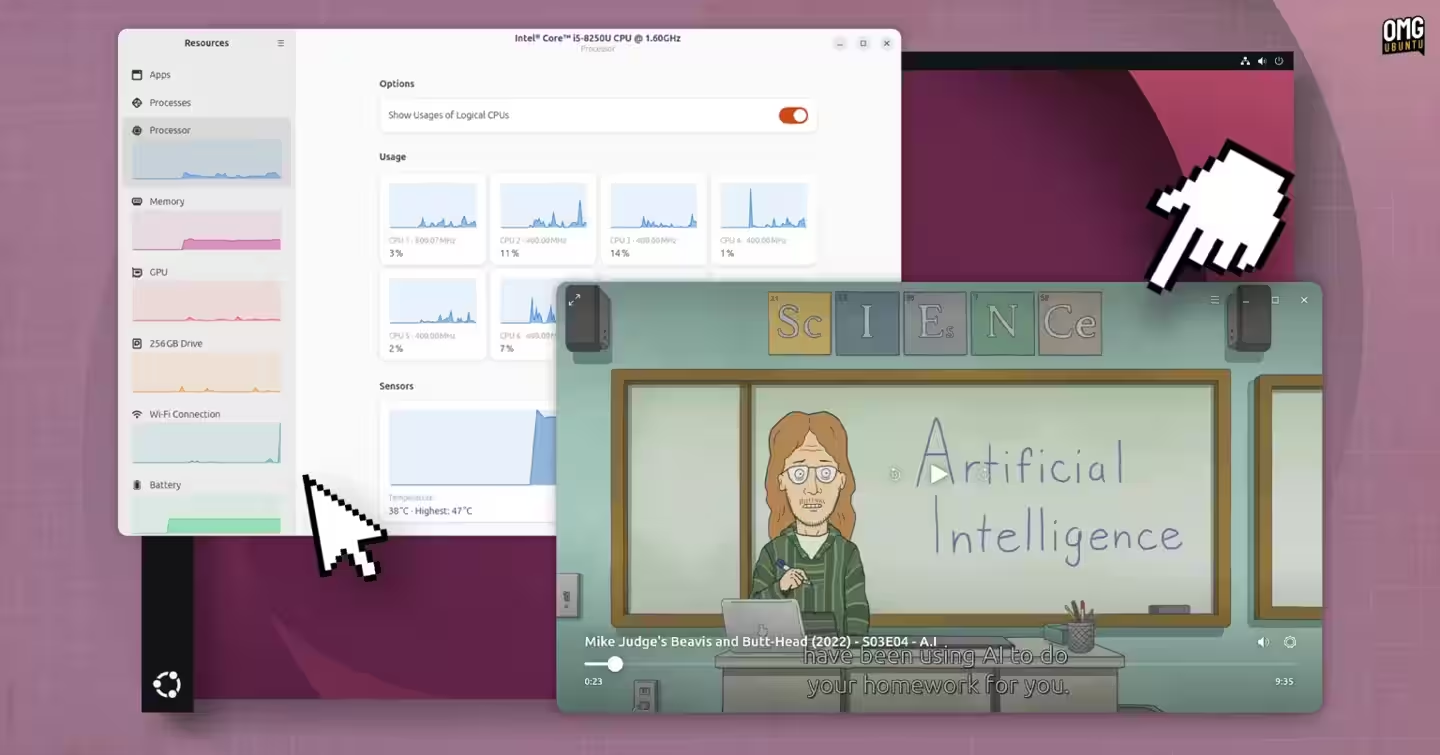
Canonical is also changing the default app stack: Showtime replaces Totem as the video player, Resources takes over from GNOME System Monitor, and the software center now supports Deb package management. That last bit is practical, not glamorous, which is usually a sign somebody finally listened to users.
Linux 7.0, CUDA, and Intel Core Ultra Series 300 support
Under the hood, Ubuntu 26.04 LTS ships with Linux 7.0 and Mesa 26.0.x, along with faster AMD ray-tracing performance and improved ext4 write speeds. It also becomes the first Ubuntu release to natively support NVIDIA’s CUDA software repository, while receiving deeper tuning for Intel Core Ultra Series 300 processors and their NPU blocks.
That combination is telling. Canonical is clearly trying to make Ubuntu feel less like a generic desktop and more like a foundation for AI workstations, creator rigs, and new OEM laptops. The timing also lines up with a broader industry push: workstation Linux is increasingly sold on acceleration features, not just stability badges.
Rust, TPM encryption, and a 6GB memory floor
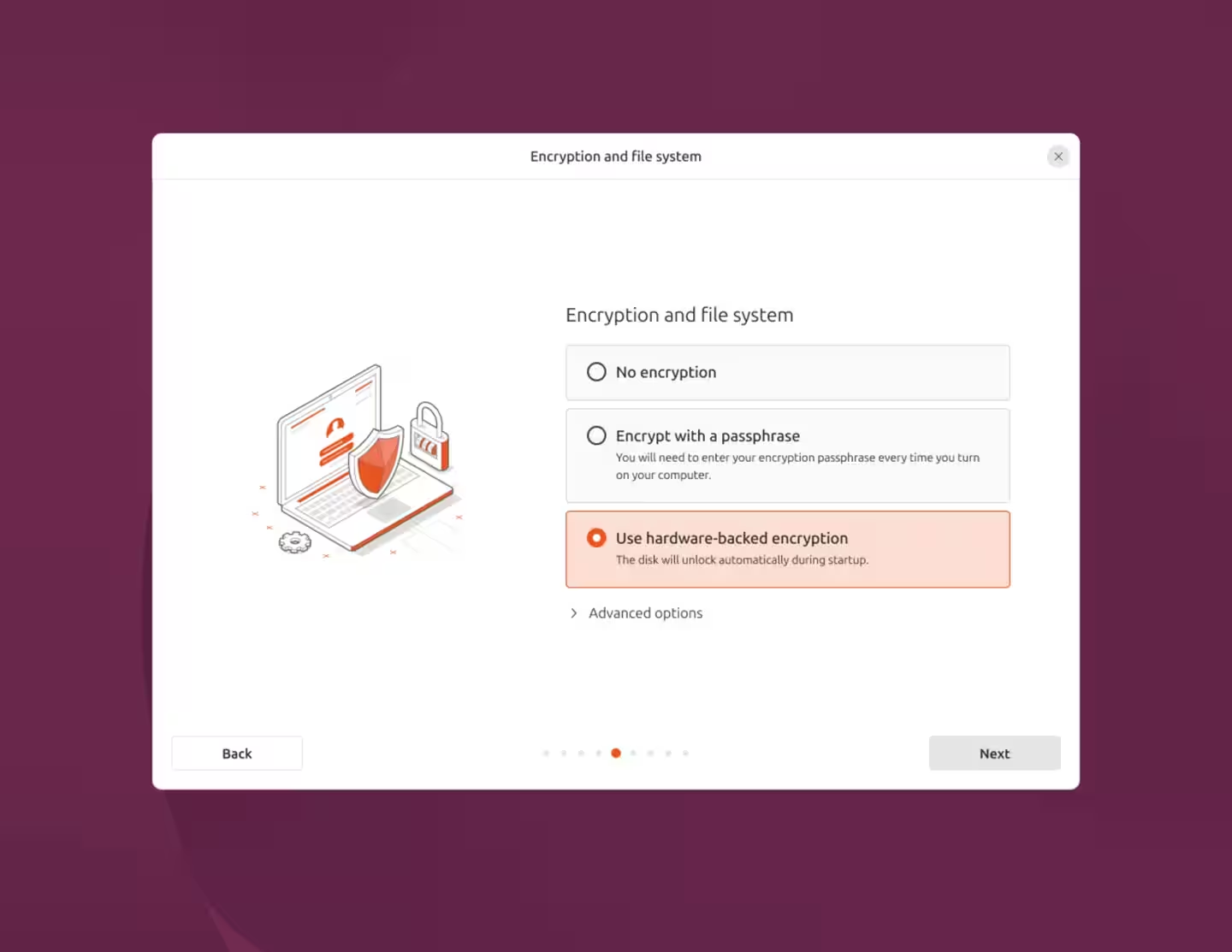
Security is the other headline feature. Canonical says it is rewriting major parts of the stack in Rust, including kernel drivers and core tools such as sudo and ls, and it is adding TPM-backed full-disk encryption that ties storage protection to hardware for stronger defense against physical access attacks.
The hardware floor is moving up too: Ubuntu’s recommended memory requirement rises from 4GB to 6GB. That is not a shock for a modern LTS release packed with heavier desktop components, but it does quietly redraw the line for older laptops that were already skating by.
RISC-V support and the next Ubuntu fleet
Ubuntu 26.04 LTS also broadens its hardware reach with full support for Inspur Time Era RISC-V devices and an ARM64 image for Snapdragon-based systems. That is a smart bet on where OEM experimentation is heading, even if most buyers will never boot Linux on a RISC-V machine tomorrow morning.
The more immediate question is adoption. Enterprises tend to move slowly, but Ubuntu LTS releases are where they eventually land, and this one is making a strong argument that the desktop can be both stricter and more modern at the same time. The catch, as always, is whether users with aging hardware agree with Canonical’s definition of ”modern enough.”