

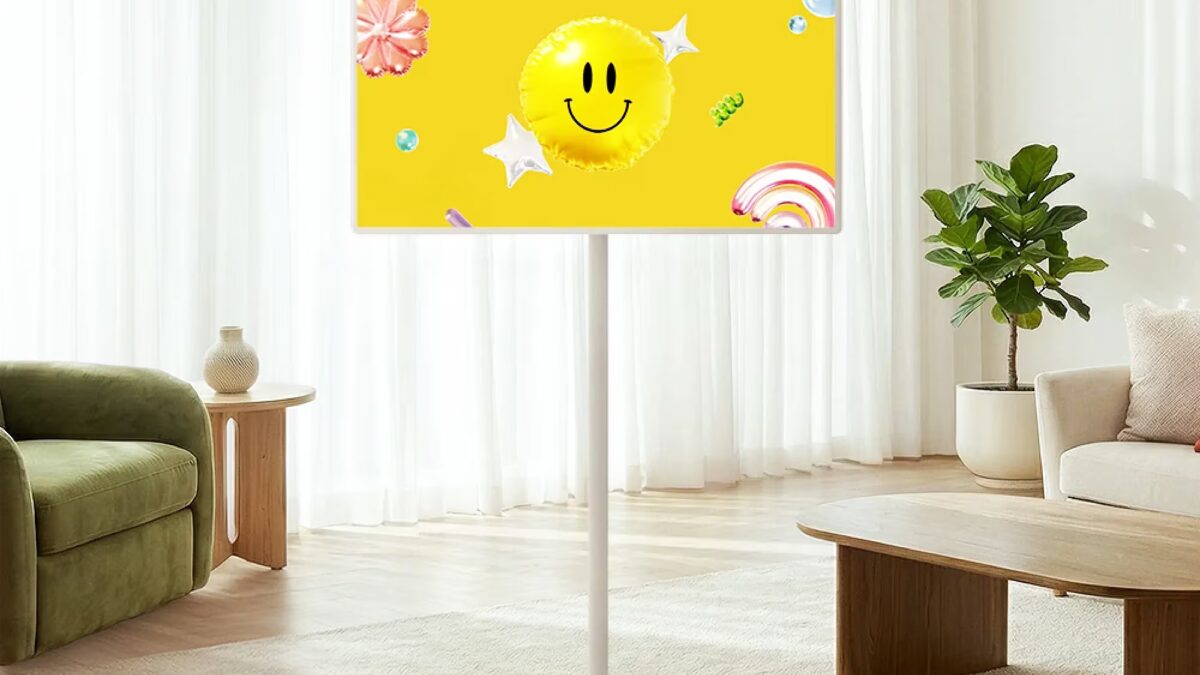
LG is expanding its portable TV lineup with the StandbyMe 2 Max, a bigger sibling to the 27-inch StandbyMe 2. The standout upgrade is a 32-inch 4K LCD screen, replacing the previous QHD panel, offering sharper visuals on a sleek mobile display.
The TV features a 60 Hz refresh rate and supports touchscreen control, letting users interact directly with LG’s webOS without needing the remote-though it does come with a compact remote and voice control for convenience.
Mobility remains the core feature: the StandbyMe 2 Max sits on an adjustable stand that extends from 1.1 to 1.3 meters in height and rolls smoothly on built-in wheels, making it easy to move between rooms. For more fixed setups, there’s also a simple wall-mount option that installs with a single screw.
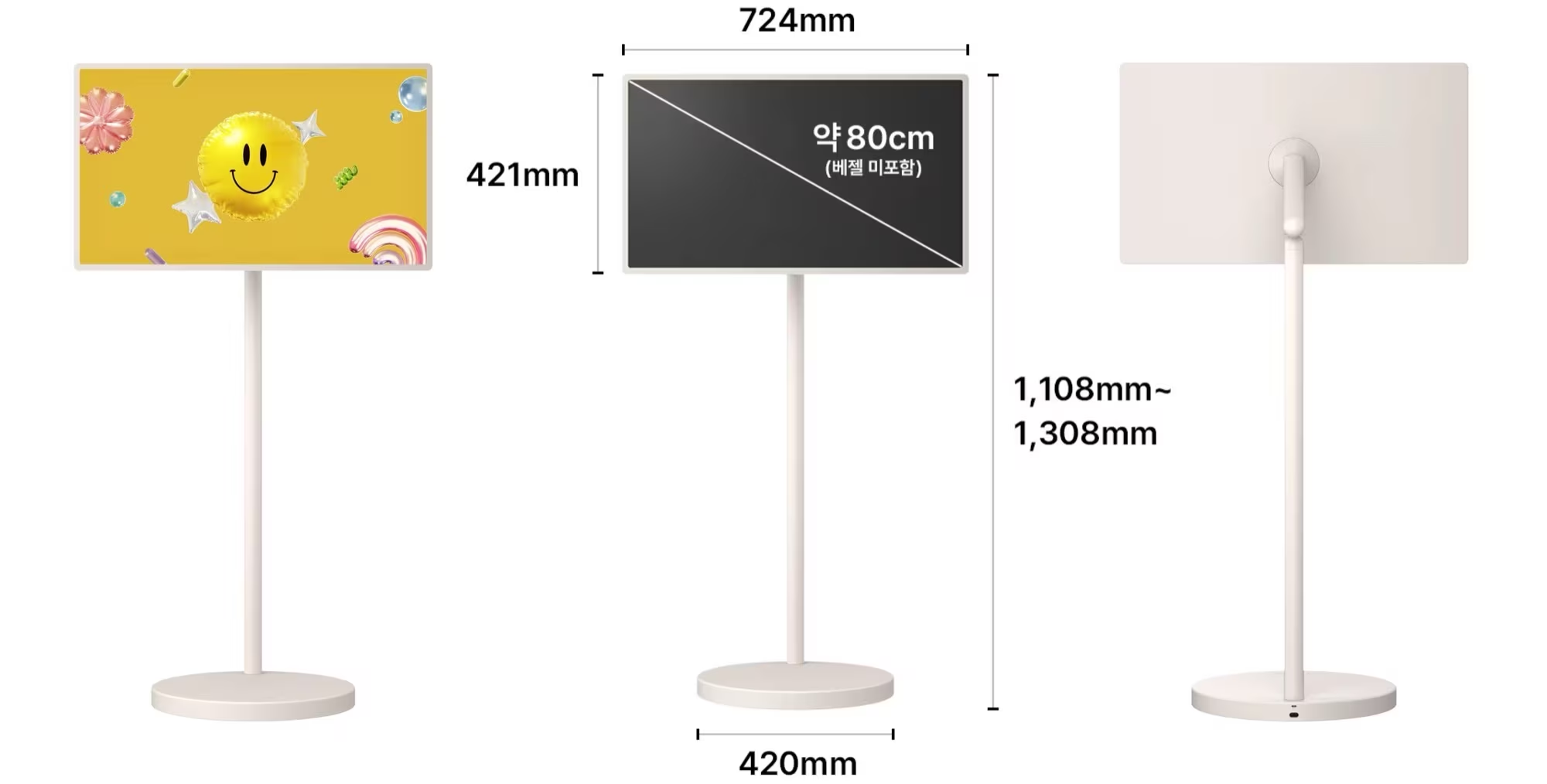
Weighing 20.3 kilograms, this portable TV packs a 144 Wh battery that offers up to 4.5 hours of cordless viewing, charged via USB-C. Audio comes through 10W speakers, sufficient for casual use but not likely to match dedicated soundbars or home theaters.
Connectivity includes an HDMI port for plugging in game consoles or other devices, and Wi-Fi 6E support ensures fast, reliable streaming of apps and services. The system runs LG’s latest webOS 26, offering a familiar smart TV experience in an unconventional form factor.
The StandbyMe 2 Max (model 32LX6BPGA) is first launching in South Korea at 1.59 million won (around $1,080). There’s no word yet on international availability, though the smaller 27-inch version is already on sale in the US.
Pricing for the StandbyMe 2 Max is as follows:
- StandbyMe 2 Max 32-inch 4K model: 1.59 million won (~$1,080)
LG’s portable TVs carve out a unique niche compared to traditional living room sets from Apple, Samsung, and Sony. While others focus on wall-mounted or fixed designs, LG’s approach blends mobility with smart features, targeting users who want a flexible, room-to-room solution without sacrificing screen quality.
As portable, standalone TVs remain rare outside a few companies, it will be interesting to see if LG can popularize the format globally. The balance of battery life, screen size, and price will be key, and whether streaming apps can optimize for touchscreen controls will likely shape user appeal.