

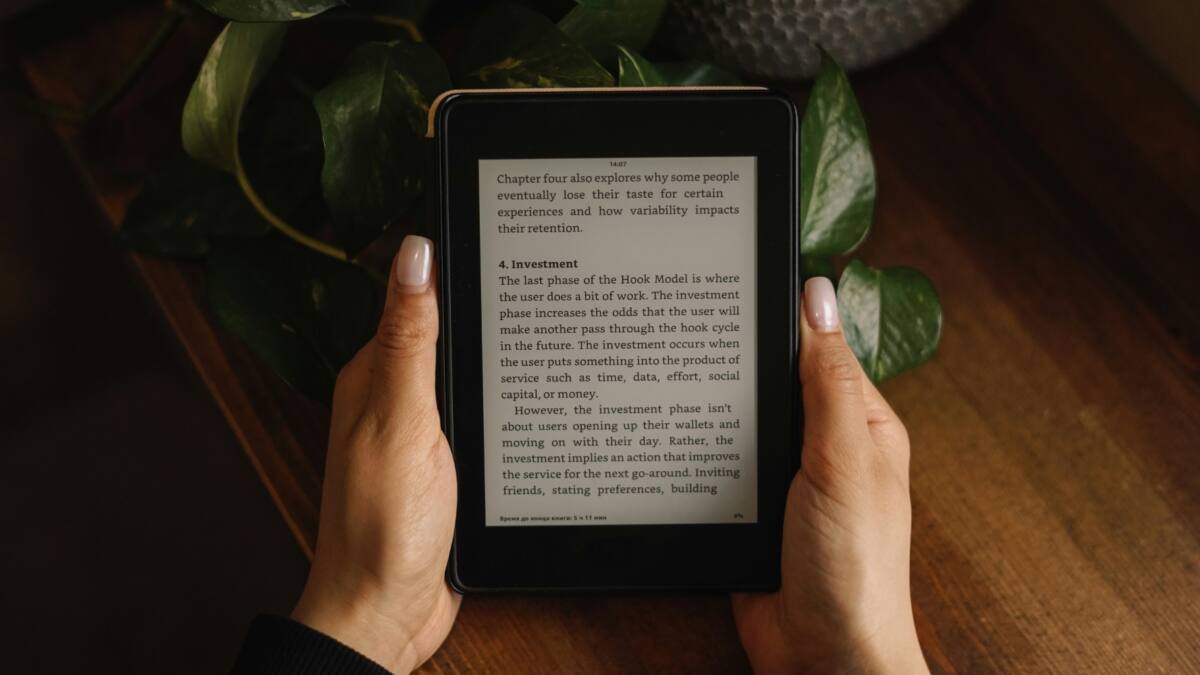
If you still have a Kindle from 2012 or earlier, Amazon is about to turn it into a much less useful reading machine. Starting on May 20, 2026, 13 older Kindle e-readers and Kindle Fire tablets will no longer be able to purchase, borrow, or download new books from the Kindle Store. Amazon is ending Kindle Store access for 13 older devices, though the hardware itself will still work for reading books already downloaded.
The devices will not be bricked. Users can still read books already on them, and Kindle purchases should remain available through the Kindle mobile app, Kindle for Web, and newer hardware. But if one of these older models is deregistered or factory reset after the cutoff date, Amazon says it cannot be re-registered. That is the point where nostalgia stops being charming and starts being inconvenient.
The 13 Kindle models losing store access
- Kindle (2007)
- Kindle 2 (2009)
- Kindle DX (2009)
- Kindle DX Graphite (2010)
- Kindle Keyboard/Kindle 3 (2010)
- Kindle 4 (2011)
- Kindle Touch (2011)
- Kindle Fire (2011)
- Kindle 5 (2012)
- Kindle Paperwhite (2012)
- Kindle Fire 2 (2012)
- Kindle Fire HD 7 (2012)
- Kindle Fire HD 8.9 (2012)
Amazon has started emailing affected users, giving them just over a month of notice. That’s not unusual for platform shifts of this kind: companies like to keep older devices functional for as long as possible, then quietly pull the plug on store access once the software and security overhead gets too awkward. Amazon is also offering limited discounts on new Kindles, which is the least surprising part of the whole announcement.
What still works on older Kindles
For readers who are stubborn, frugal, or just fond of e-ink devices that have outlived several phones, there is one workaround left: Kindle for iPhone or iPad. It is not exactly the same as carrying a dedicated reader, but it does keep access to Amazon’s library alive without forcing an immediate hardware buy. The bigger story here is that Amazon is drawing a hard line around support for pre-2013 devices, while making sure the ecosystem still funnels people toward newer Kindle hardware and apps.
The practical question now is simple: if your Kindle is on the list, do you keep it as an offline reader or move on? Amazon has made its choice, and the clock is already ticking toward May 20, 2026.