

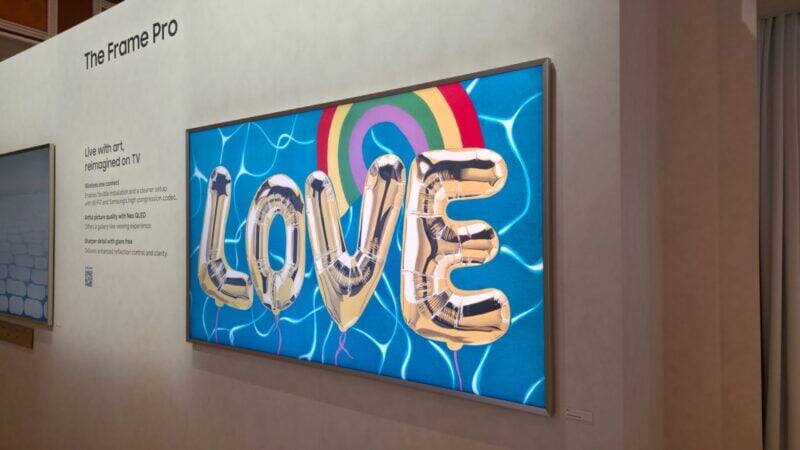
Samsung says 34 of its 2026 TVs and soundbars have picked up TÜV Rheinland certifications for lower carbon impact. The Samsung 2026 TVs and soundbar lineup includes OLED TVs, Mini LED and Micro RGB sets, The Frame Pro, and the HW-Q990H flagship soundbar.
The certified products span Samsung’s premium lineup, giving the company a sustainability badge across models it expects buyers to associate with big screens and high-end home theater sound.
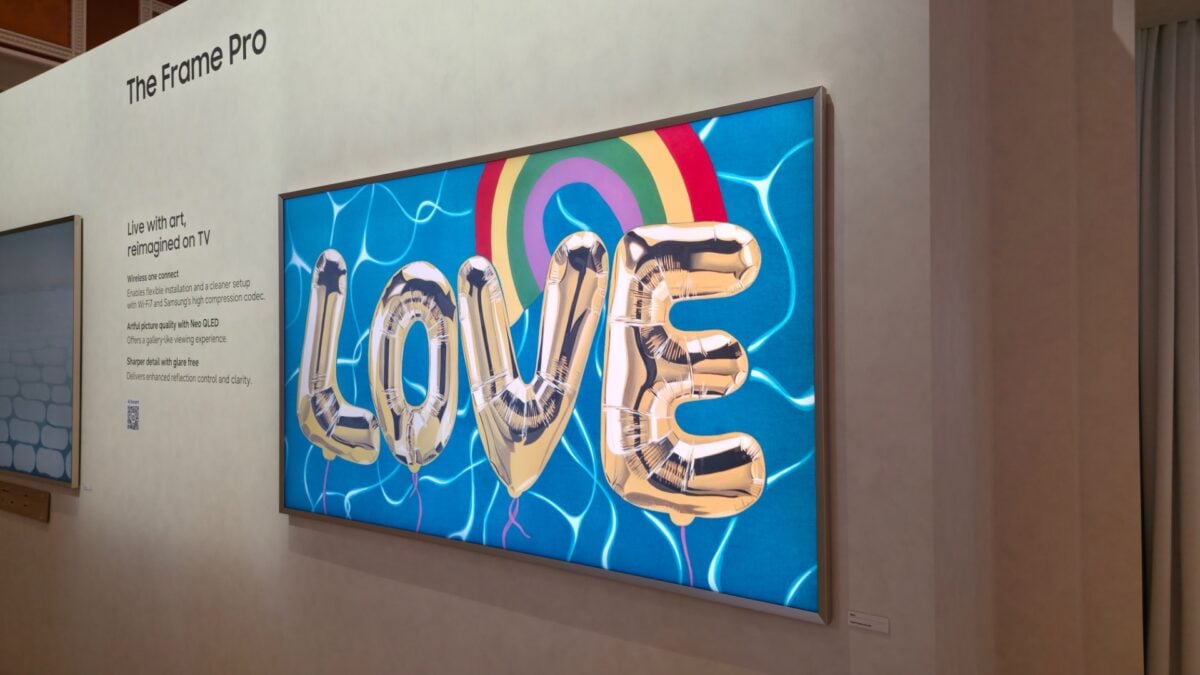
Which Samsung 2026 TVs and soundbar got the TÜV Rheinland nod
Samsung says 14 products received the Product Carbon Reduction certification, while 20 devices earned the Product Carbon Footprint certification. In plain English: one badge rewards a measurable drop versus earlier models, while the other covers lifecycle emissions from manufacturing to disposal. That split is useful, because TV makers love to talk about efficiency in use while quietly ignoring the emissions that happen before the box reaches your living room.
- Product Carbon Reduction: S90H OLED TV, S85H OLED TV, The Frame Pro TV (LS03HW), HW-Q990H soundbar
- Product Carbon Reduction sizes: S90H and S85H in 55-inch, 65-inch, 77-inch, and 83-inch; The Frame Pro in 65-inch, 75-inch, and 85-inch
- Product Carbon Footprint: Micro RGB TV (R95H), Micro RGB TV (R85H), S95H OLED TV, S85H OLED TV, The Frame Pro TV (LS03HW)
- Product Carbon Footprint sizes: Micro RGB TV (R95H) in 65-inch, 75-inch, and 85-inch; Micro RGB TV (R85H) in 55-inch, 65-inch, 75-inch, 85-inch, and 100-inch; S95H and S85H in 55-inch, 65-inch, 77-inch, and 83-inch; The Frame Pro in 55-inch
What Samsung is trying to signal
Samsung’s Visual Display chief framed sustainability as part of innovation, which is the kind of corporate line every hardware giant reaches for once energy efficiency becomes a selling point instead of a footnote. The timing is also sensible: premium TVs are under pressure from rivals that increasingly market picture quality alongside power savings, and soundbars are joining the same conversation as home theater gear gets pulled into broader eco targets.
There is some real substance here, though. TÜV Rheinland is a recognized German certification body, and certification programs like this are becoming a differentiator in a market where consumers are more likely to notice size and brightness than lifecycle emissions. Samsung is clearly betting that a cleaner badge on a bigger TV will look less like marketing fluff and more like product design discipline. That is a smarter sell than pretending sustainability is separate from hardware performance.
The greener TV race is getting crowded
Samsung is not doing this in a vacuum. TV makers have been racing to trim standby power, improve panel efficiency, and win third-party validation because regulators and retailers keep asking tougher questions. The fact that Samsung is spreading certifications across OLED, Mini LED, and Micro RGB lines suggests it wants to make sustainability part of the whole portfolio, not just a PR-friendly side project.
The bigger question is how much shoppers will care before price and picture quality take over, as they usually do. Still, if Samsung can keep stacking certifications on future flagships, that gives it another talking point against rivals that are selling ”premium” without much evidence of cleaner engineering. Expect this kind of badge warfare to become standard on the top end, because the easiest place to sell green hardware is still the place where the margins are already highest.