

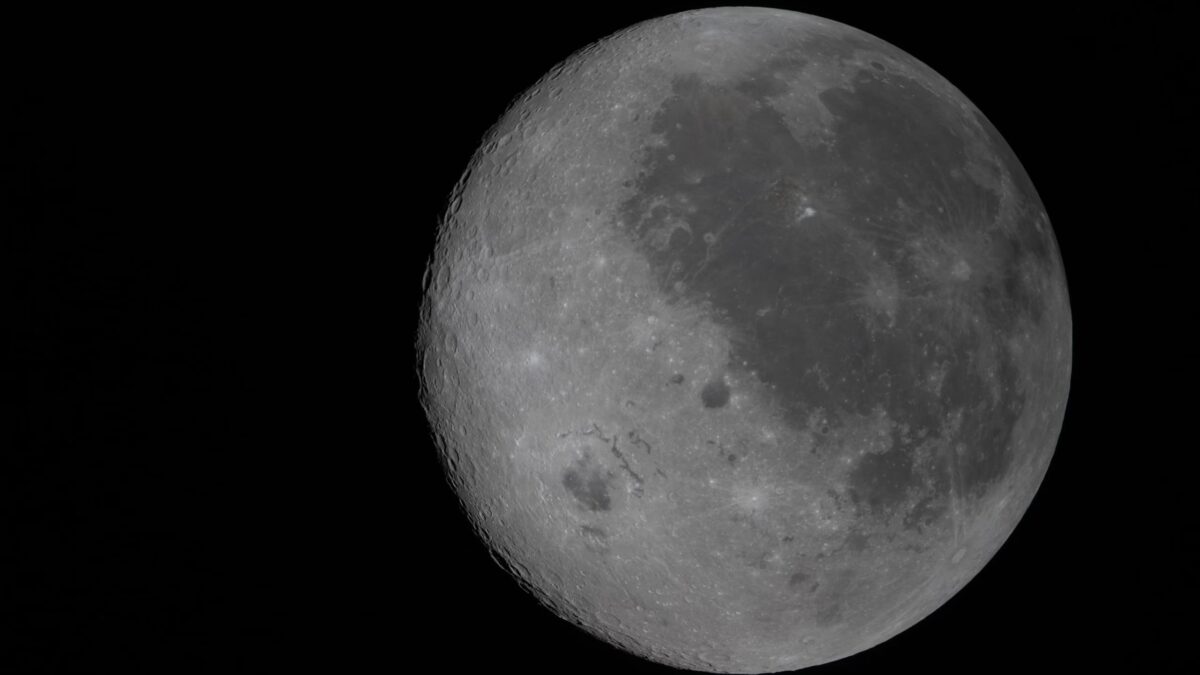
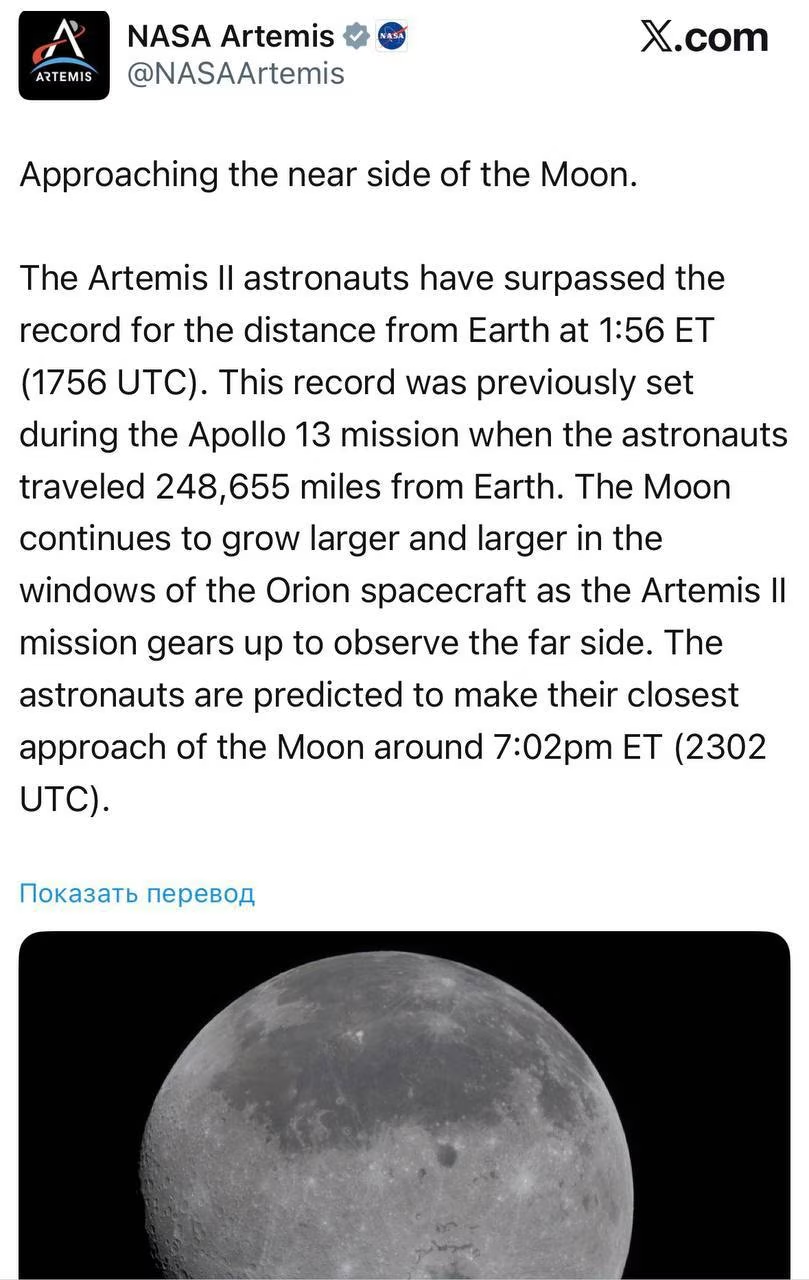
On April 6, 2026, humans ventured farther from Earth than ever before. The Artemis II crew officially surpassed the Apollo 13 distance record from 1970, reaching a staggering 406,773 kilometers-over 6,600 km beyond the previous farthest point of 400,171 km. This milestone happened at 1:57 PM Eastern Time, marking the greatest distance any human has traveled in space in more than five decades.
Artemis II crew members and spacecraft
The four-person crew includes commander Reid Wiseman, pilot Victor Glover, mission specialist Christina Koch, and Canadian Space Agency astronaut Jeremy Hansen. Notably, this mission is the first deep-space flight featuring a Black astronaut, a woman, and a non-U.S. citizen together. Their spacecraft is named ”Integrity.”
Current status of Artemis II mission
At 2:45 PM ET on April 6, the crew began a seven-hour observation phase orbiting the Moon. Split into pairs, astronauts took turns photographing the lunar surface through their spacecraft’s windows. At 6:44 PM ET, Orion entered radio silence as it passed behind the Moon, cutting off communication with Houston for about 40 minutes. The spacecraft will make its closest approach at approximately 6,550 km above the lunar surface, traveling at around 5,052 km/h.
Lunar orbit observations by Artemis II
The centerpiece of their observations is the Orientale Basin, a colossal impact crater nearly 950 km in diameter with striking concentric rings-previously only imaged by robotic probes. They are also focusing on Apollo 12 and 14 landing sites and lunar polar regions. The crew will witness Earth rising over the lunar horizon-the first live human view of a ”blue marble” sunrise from the Moon in 50 years. Between 8:35 and 9:32 PM ET, they will experience a solar eclipse as the Moon blocks the Sun.
Upcoming milestones for Artemis missions
Artemis II is a critical dress rehearsal for lunar return missions scheduled later this decade. Unlike later missions, it won’t land on the Moon but will pave the way for Artemis IV’s planned lunar landing in 2028. Splashdown in the Pacific Ocean off San Diego is expected on April 10. Human space travel beyond low Earth orbit has been dormant since Apollo 13; this mission reignites our push deeper into space.
As Artemis II charts new territory, all eyes will be on how Orion’s systems perform under these demanding conditions, setting the stage for sustained human presence beyond Earth’s orbit. This mission’s success could well define NASA’s trajectory for the next decade of crewed space exploration, competing with international players and private companies aiming for the Moon and Mars.