

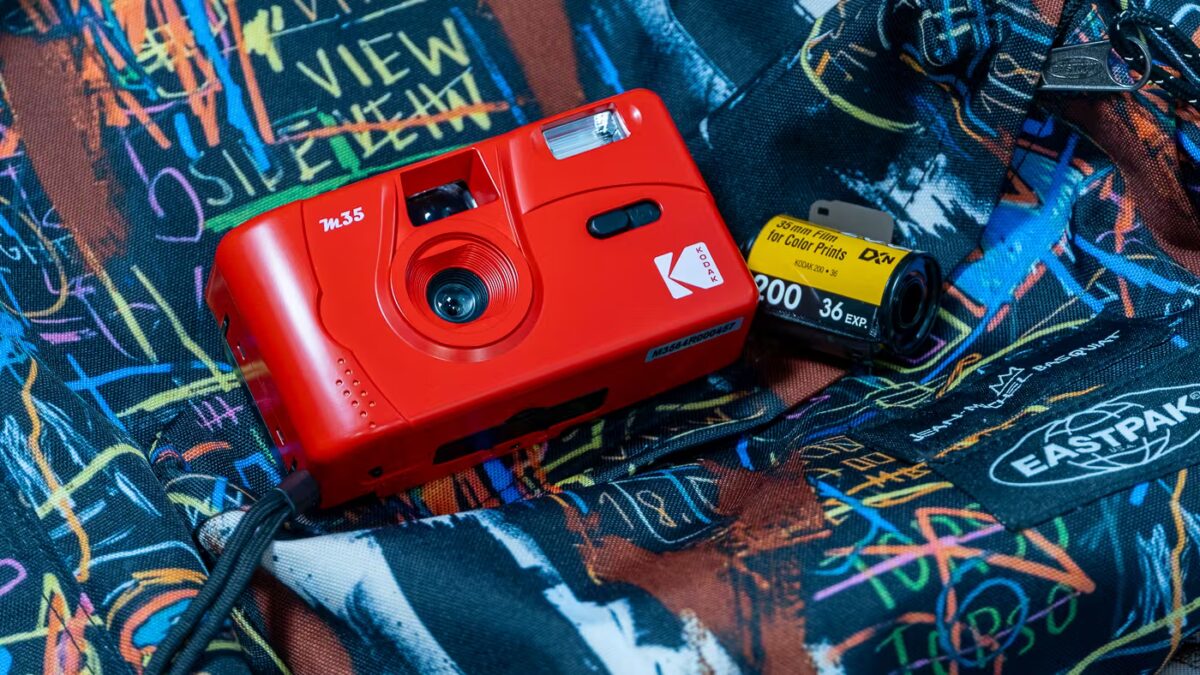
Film photography is making a surprising comeback, driven by a digital-native generation tired of instant everything. The Kodak M35, a simple 35mm film camera, is selling out not because it’s discontinued, but because young people are rediscovering the slow, unpredictable charm of analog images. For those drowning in AI and endless feeds, shooting on film offers a way to pause, escape FOMO, and embrace a more deliberate creative process.
The Kodak M35 isn’t a professional tool-it’s a nostalgic artifact. Resembling the plastic ”point-and-shoot” cameras from the 1990s, it’s fully manual with no settings to fiddle with. Thousands of TikTok teens now swap swipes for winding film, appreciating the honesty of capture before the preview. Though Kodak’s brand appears front and center, the camera is actually produced under license by Chinese manufacturer Sino Promise. Still, the Kodak name carries weight and promise for those chasing retro aesthetics.
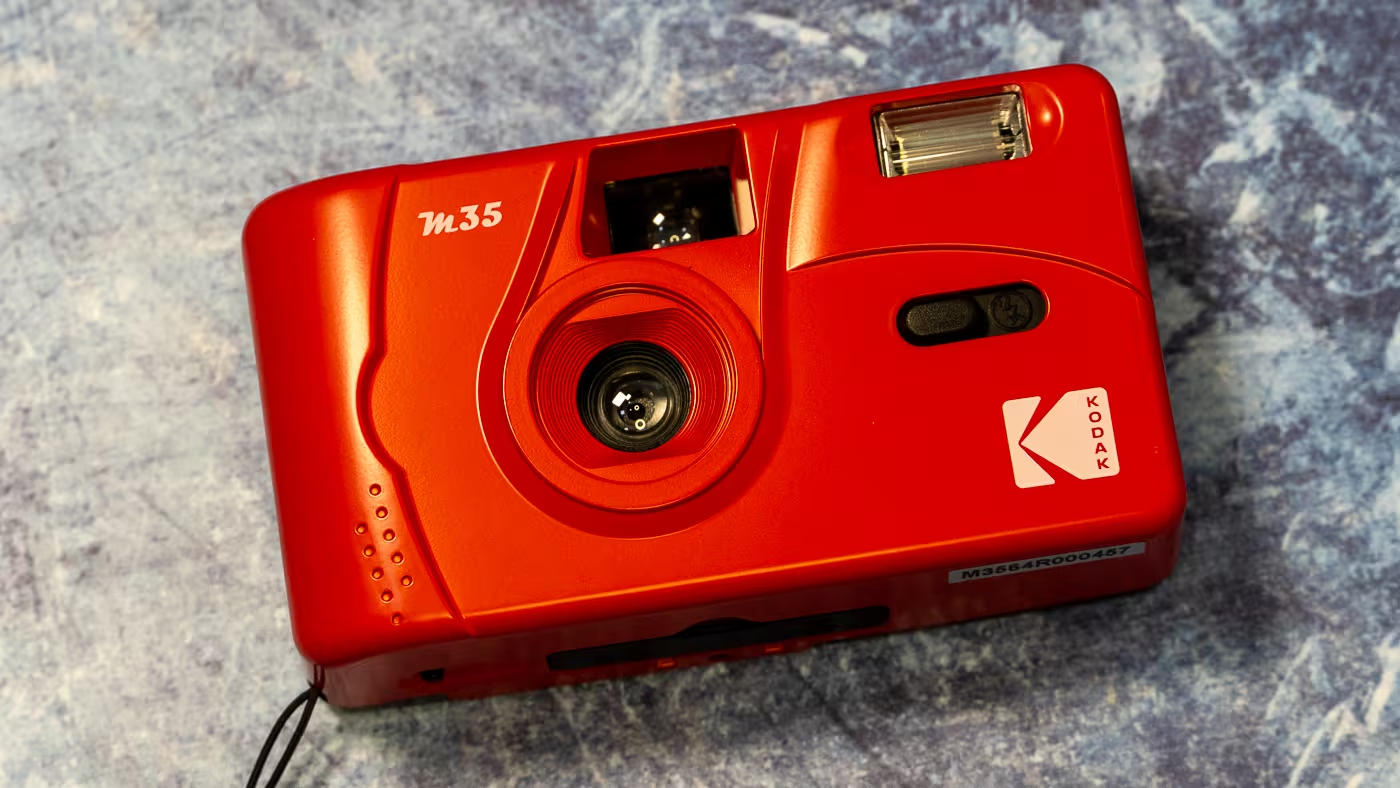
Kodak M35 film camera: features and target users
The film revival isn’t an empty nostalgia trip for retirees-it’s a deliberate aesthetic choice by Gen Zers burnt out on pixel-perfect digital photography. The Kodak M35 is a compact, all-plastic reusable 35mm film camera designed as an affordable step-up from disposable film cameras, perfect for shooting film without fussing over technical settings (because it has none).
The Kodak brand on the M35 acts as a cultural symbol more than a mark of manufacturing heritage. While Kodak’s Rochester-based company isn’t involved, the licensed Chinese production uses the recognized name to evoke trust and nostalgia. For beginners, this means a straightforward experience at a fair price, without any complicated features.
Kodak M35 design and handling
The camera comes in a simple cardboard box, often bundled with film and a ”button cell” battery (CR2). While film and batteries are easy to buy separately-often cheapest from Chinese sellers-getting a kit is convenient and affordable.
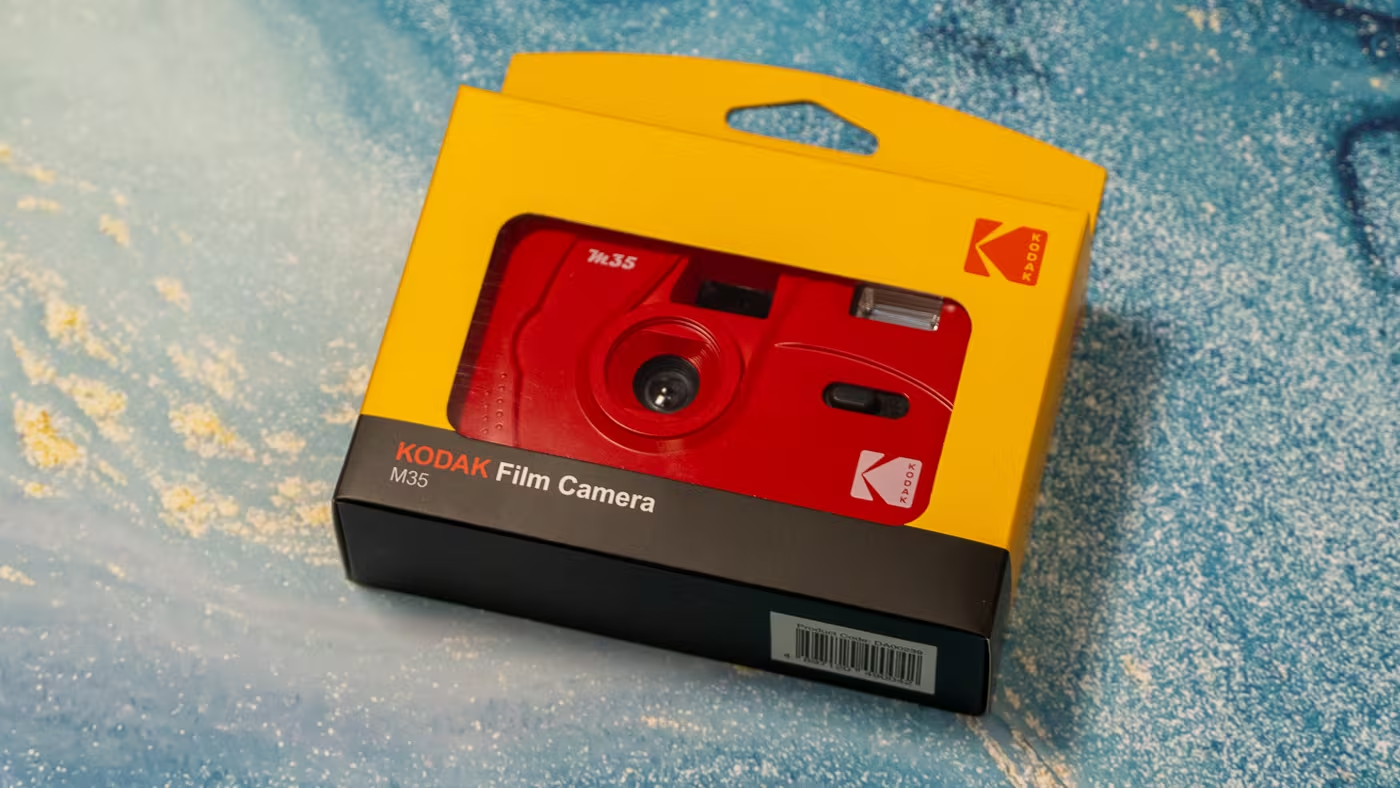
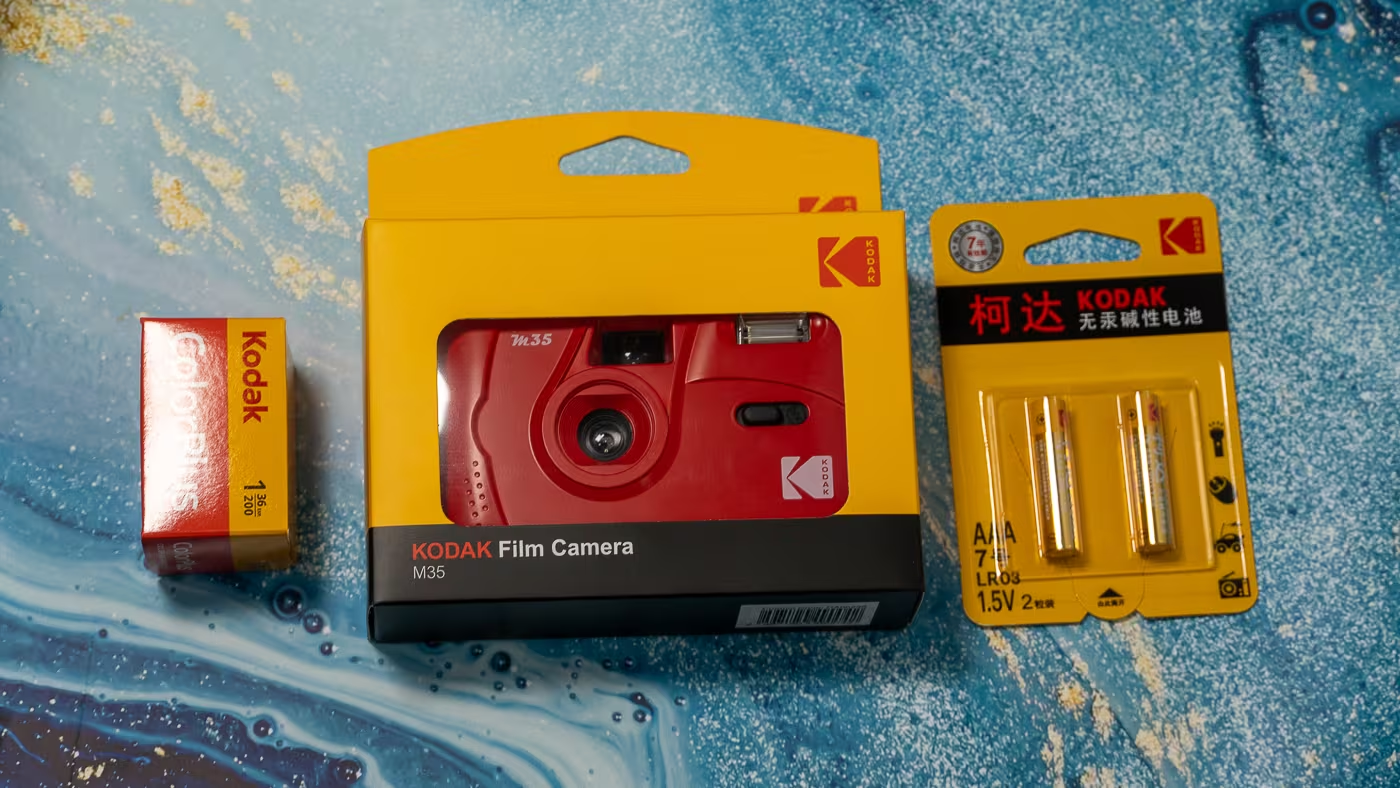
The body is glossy ABS plastic and offers a colorful range that’s part of the appeal: Candy Pink, Flame Scarlet, Yellow, Mint Green, Grapefruit, Lavender, Cerulean Blue, plus subdued options like Clouds White, Olive Green, and Starry Black. Choosing a vibrant hue turns the Kodak M35 into a style statement – basically a photo accessory like a phone case or vinyl record sleeve. After debating between red and blue, I went for a saturated color to brighten up my daily carry.
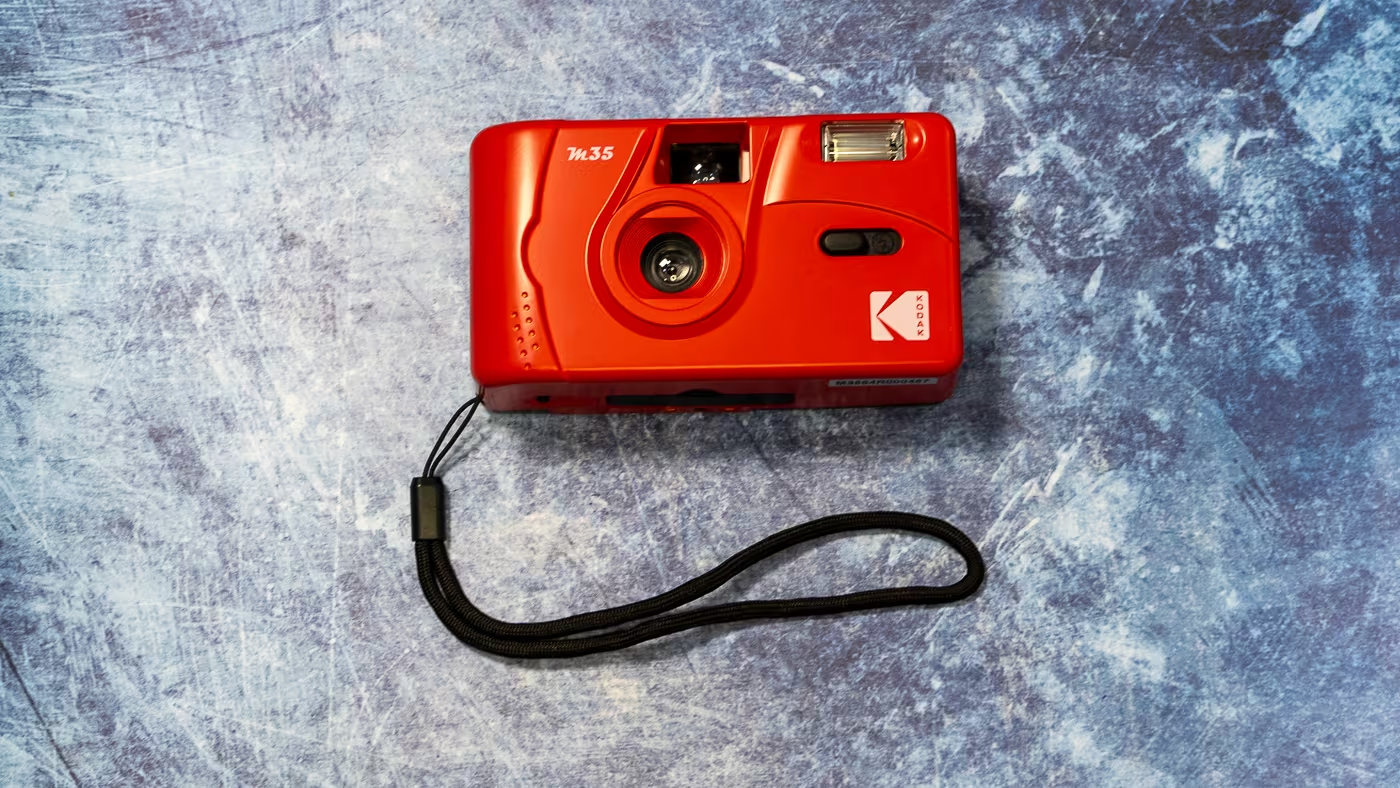
Measuring 114 × 63 × 35 mm and weighing just 100 grams without film, the Kodak M35 slides easily into a deep jeans pocket or can be worn with the included wrist strap. It’s designed to be as grab-and-go as possible-just pull it out, shoot, and stash it away.

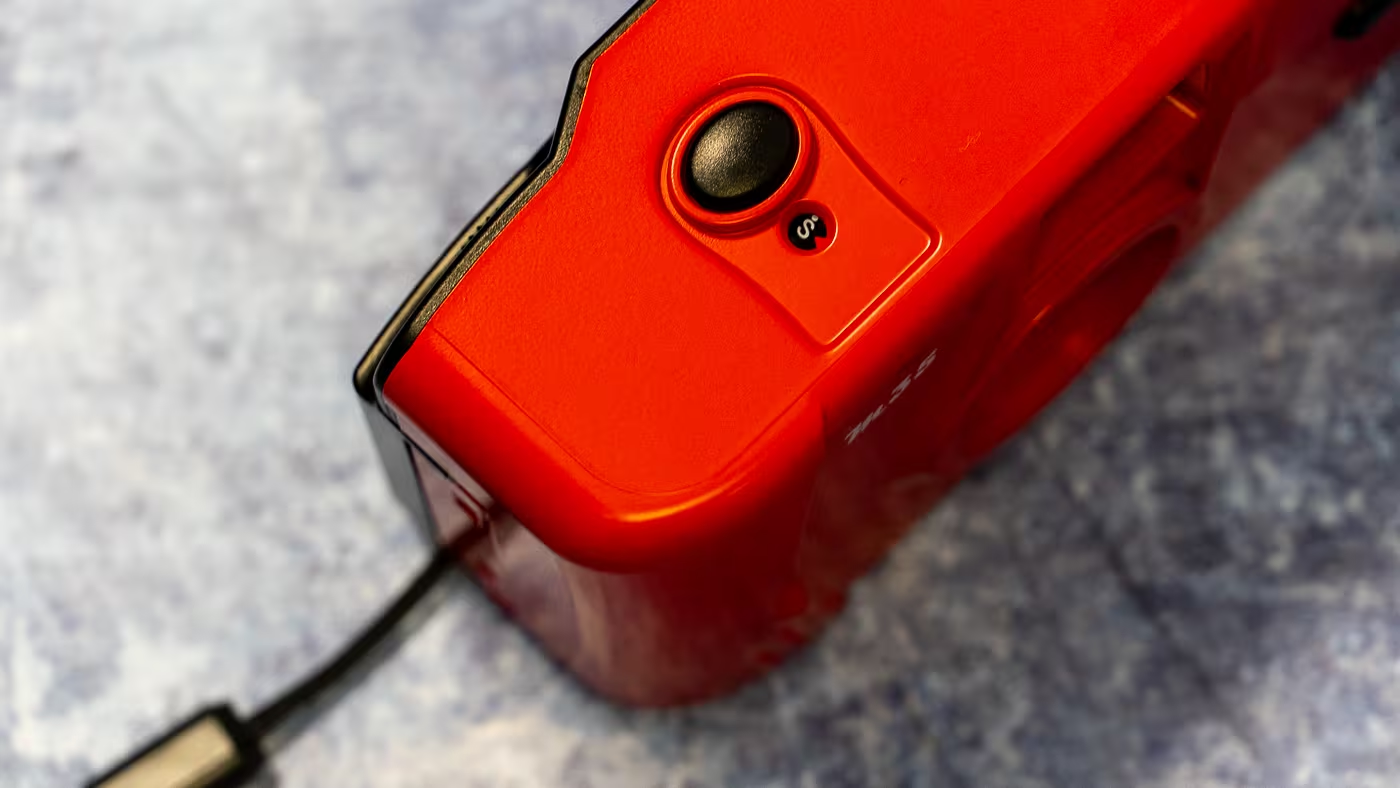
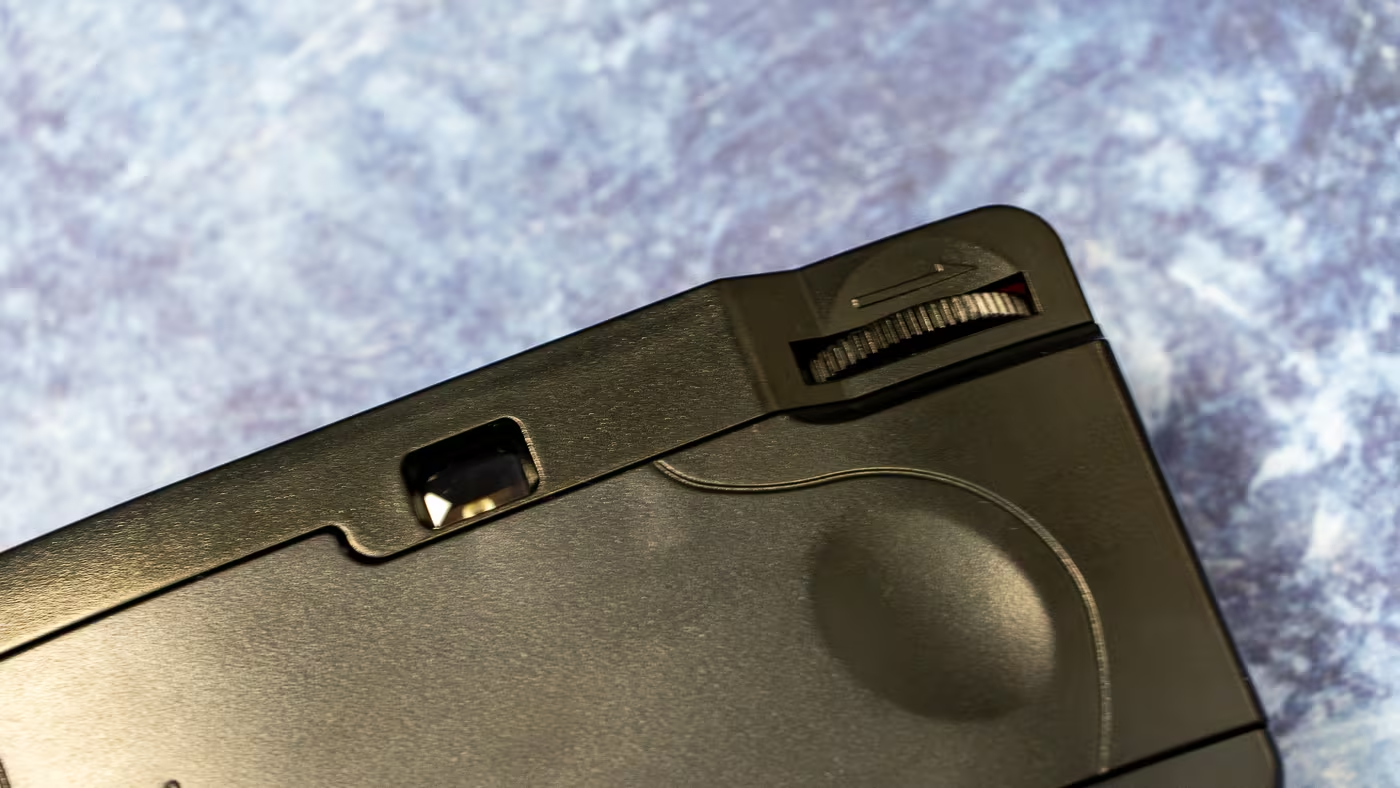
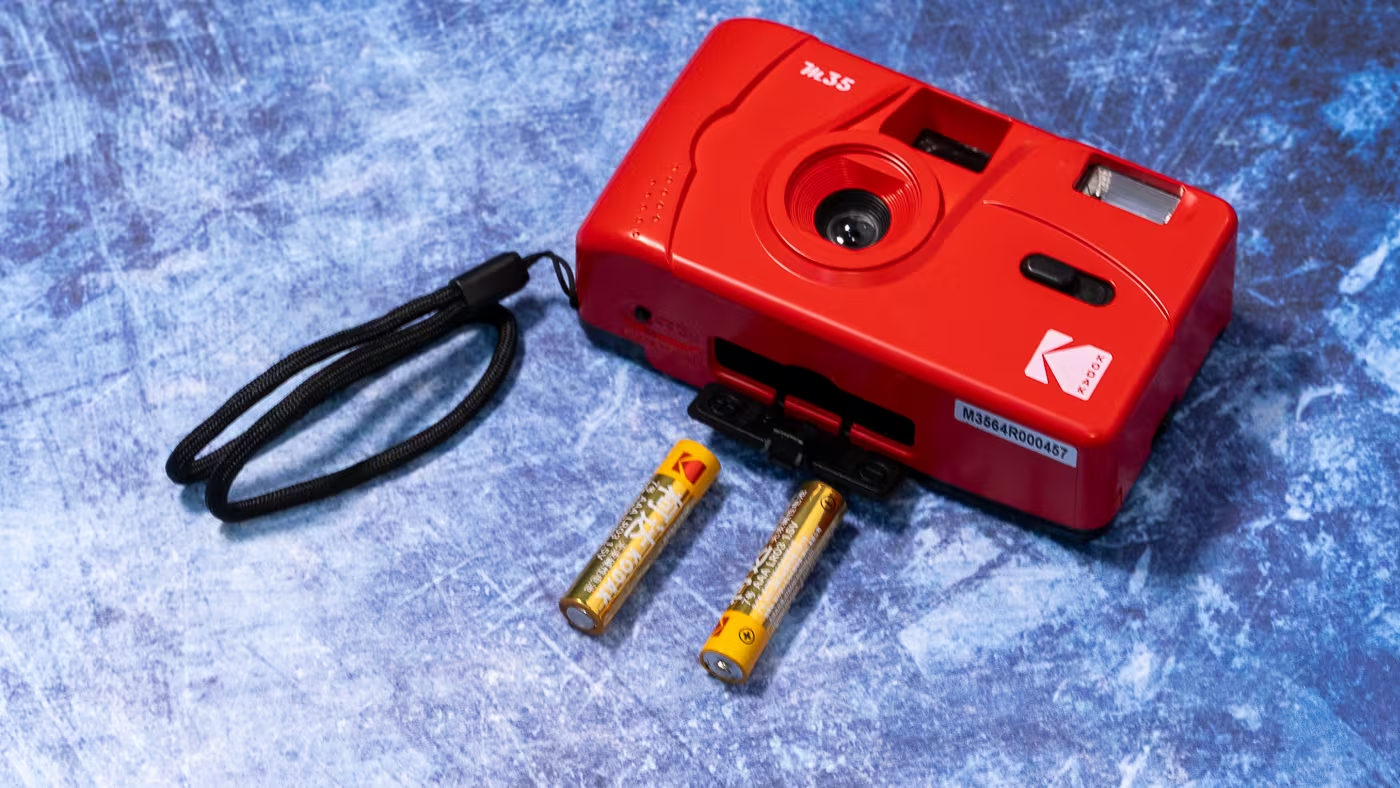
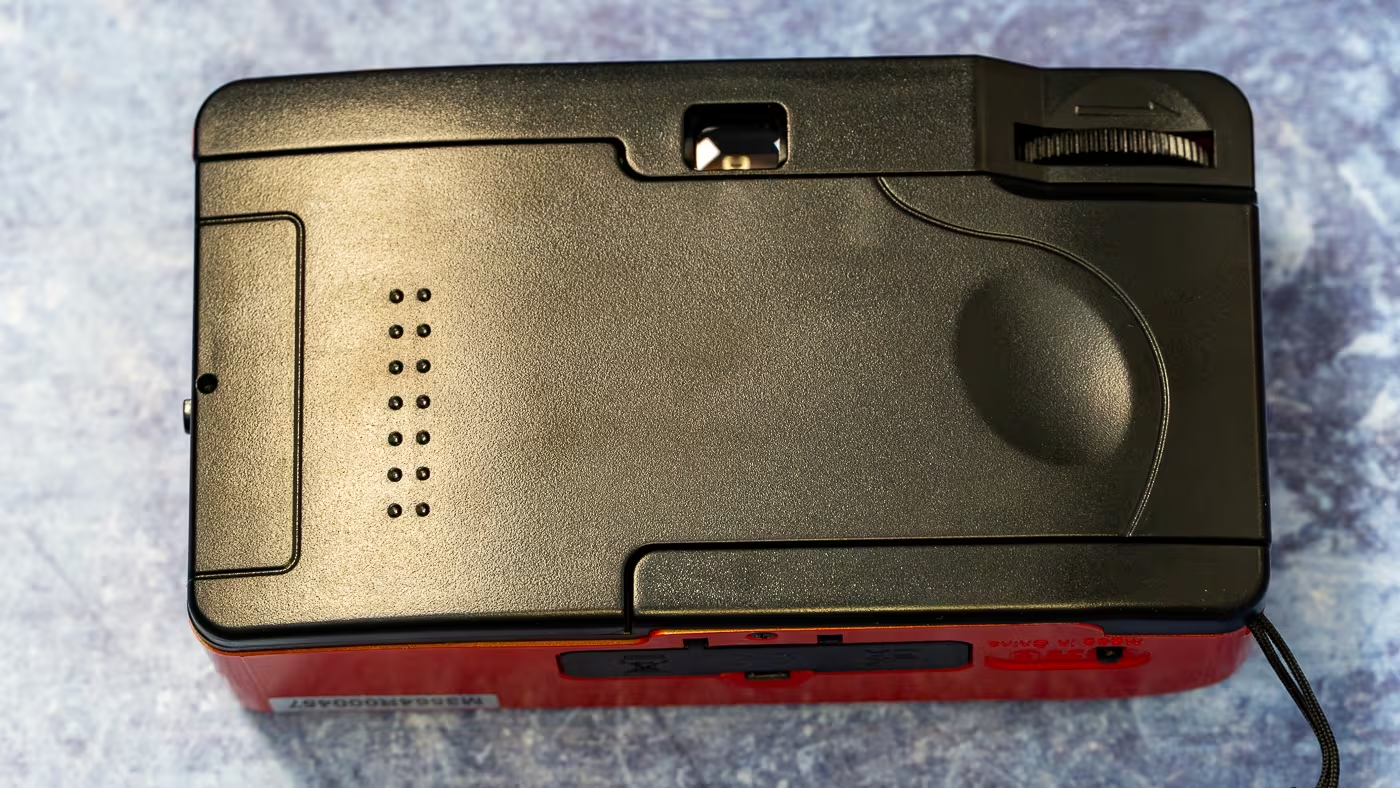
The Kodak M35 keeps controls minimal. There’s no lens cap (an unusual omission compared to older Kodak models). Instead, the lens cover area toggles the flash on or off. The camera features a basic optical viewfinder, a flash, a shutter button with a frame counter, a battery compartment, a rewind knob, and a winding wheel to advance film. That’s it-no menus, no digital display.
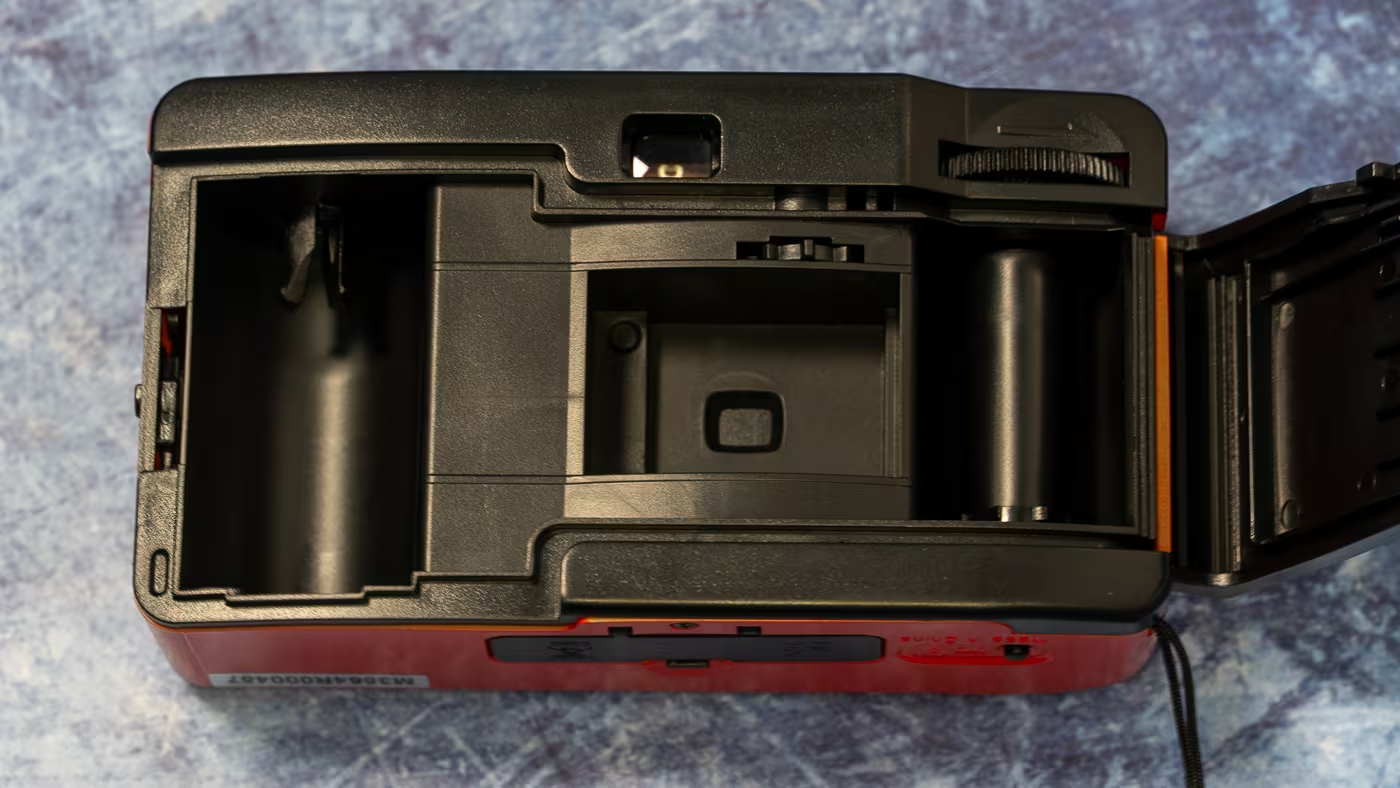
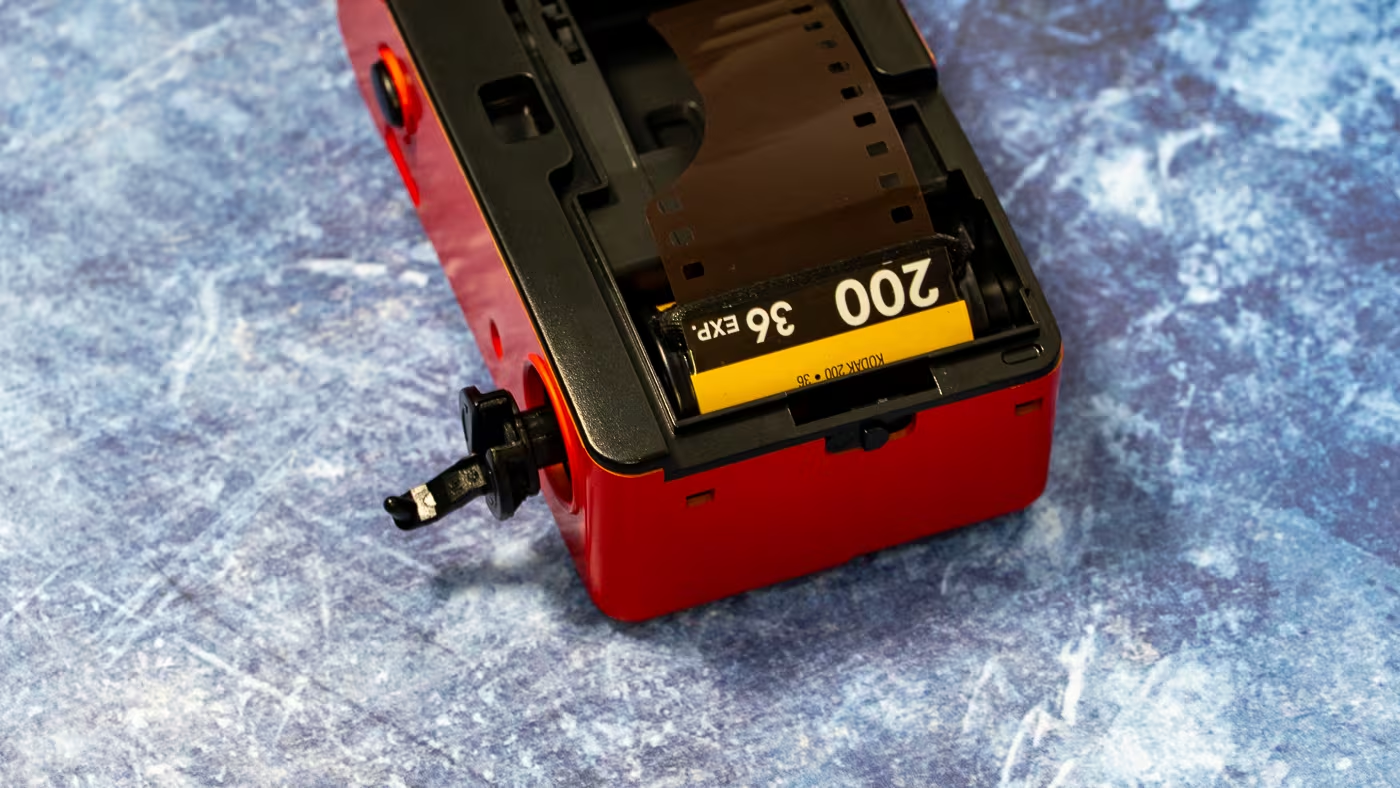
Loading film is classic analog: pop open the back, remove the rewind post, pull a little film out, and fit the holes on the spool. It sounds tricky if you’re new to film, but anyone familiar with ’80s and ’90s cameras does this without thinking. For Gen Zers, consider this a mini tutorial.
Once loaded, close the back, take a test shot, and rewind a bit with your thumb to get the film taut. Shooting is then simply framing and clicking. Advance the film manually after each shot by turning the thumb wheel until it clicks. No settings, no previews, no instant sharing. You’ll shoot through the whole roll, develop it chemically, scan the negatives, and only then see your photos. The joy is in the process, not instant gratification.
Kodak M35 lens and technical specifications
The optics are as simple as it gets: a single-element 31mm fixed-focus lens at f/10, with a shutter speed locked at 1/120 second. The images come out sharp enough in good light, but poor lighting can be a challenge. The built-in flash capacitor is 70µF, enough for most indoor scenarios but not powerful enough for night outdoors. The viewfinder captures about 70% of the actual frame, so expect some margin around your shot.
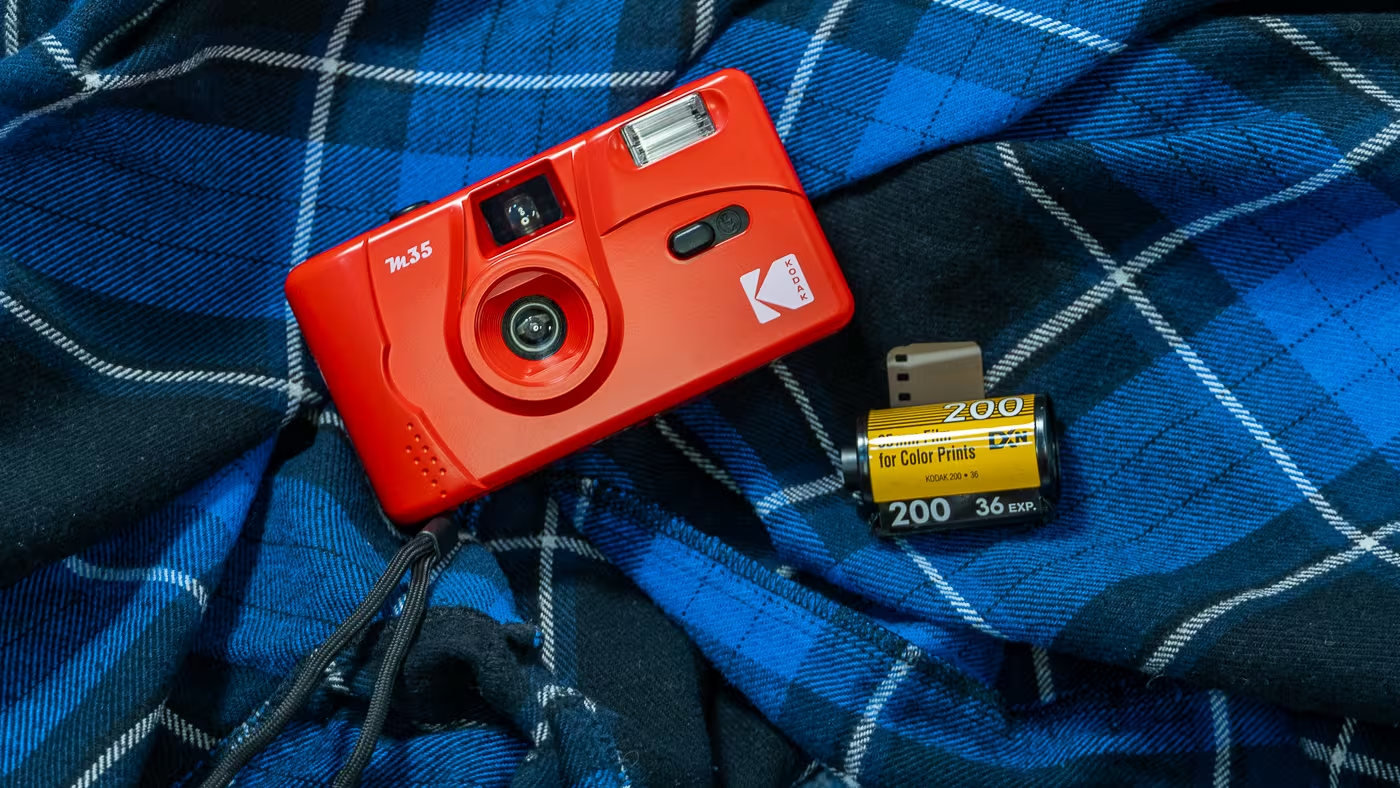
Here’s how the flash works: toggle it on, and the aperture is around f/10. Switch it off, and it closes down to approximately f/11-16. That’s your exposure control; everything else relies on your hands and the film. Speaking of film, Kodak UltraMax ISO 400 is widely recommended for balancing highlights and shadows in daylight. ISO 200 Kodak Color Plus is a good starting point for newcomers, while black-and-white film offers creative options for those ready to experiment. And yes, you can always tweak digital scans later – but why rush?
Image quality from the Kodak M35 film camera
Let’s be clear: the Kodak M35 isn’t a detail-crunching machine. The plastic single-element lens struggles with fine details, especially at the edges. Center images are passable; corners are soft – typical for budget fixed-focus film cameras. Scans from developed negatives come in at 3,637 × 2,433 pixels, decent for sharing online as JPEGs.





But that’s sort of the point: soft edges, light vignetting, the grain of ISO 200 film, and random flares in backlight create the analog aesthetic so often recreated with digital filters on apps like VSCO and Lightroom. Only here, it’s a result of actual optics and chemistry, making photos look like they were taken in the early ’90s, not 2026.


Low light is where the Kodak M35 struggles hardest. Its flash covers 1-3 meters effectively, fine for small party rooms but nearly useless outdoors at night.
How to shoot with the Kodak M35 film camera
This isn’t a smartphone. There’s no gallery to review shots, no delete button, and no instant preview. That’s the appeal. Loading film takes about 30 seconds: unlock the side latch, insert the film cartridge on the left, extend the tape and hook it onto the spool on the right, close the back, then wind the film advance wheel until the frame counter hits one.
Shooting is straightforward: aim and press the shutter. After each shot, manually wind the thumb wheel until it clicks to advance the film and cock the shutter. Use the flash indoors or at night; during the day, keep it off. When you reach the end of the roll, the advance wheel stops turning, signaling it’s time to rewind. Press the bottom rewind button and turn the rewind wheel in reverse until the film is fully back in the cartridge before opening the back. Opening too soon ruins the entire roll.
Film development is the key divide from digital: you don’t see the final photos until the chemicals do their work. In Moscow, development and scanning typically cost 500 to 800 rubles (roughly $6-10). Labs still exist in many cities worldwide; you drop off your roll, then receive your images digitally via email or cloud link. You can optionally pick up negatives or have them discarded. No need to print right away-you can sort, edit, or share images digitally, blending retro charm with modern convenience.
This delayed gratification makes using film special. Pictures taken at a Saturday party turn into a midweek surprise, each shot a small discovery dripping with that ”warm analog vibe.”
Kodak M35 competitors and alternatives
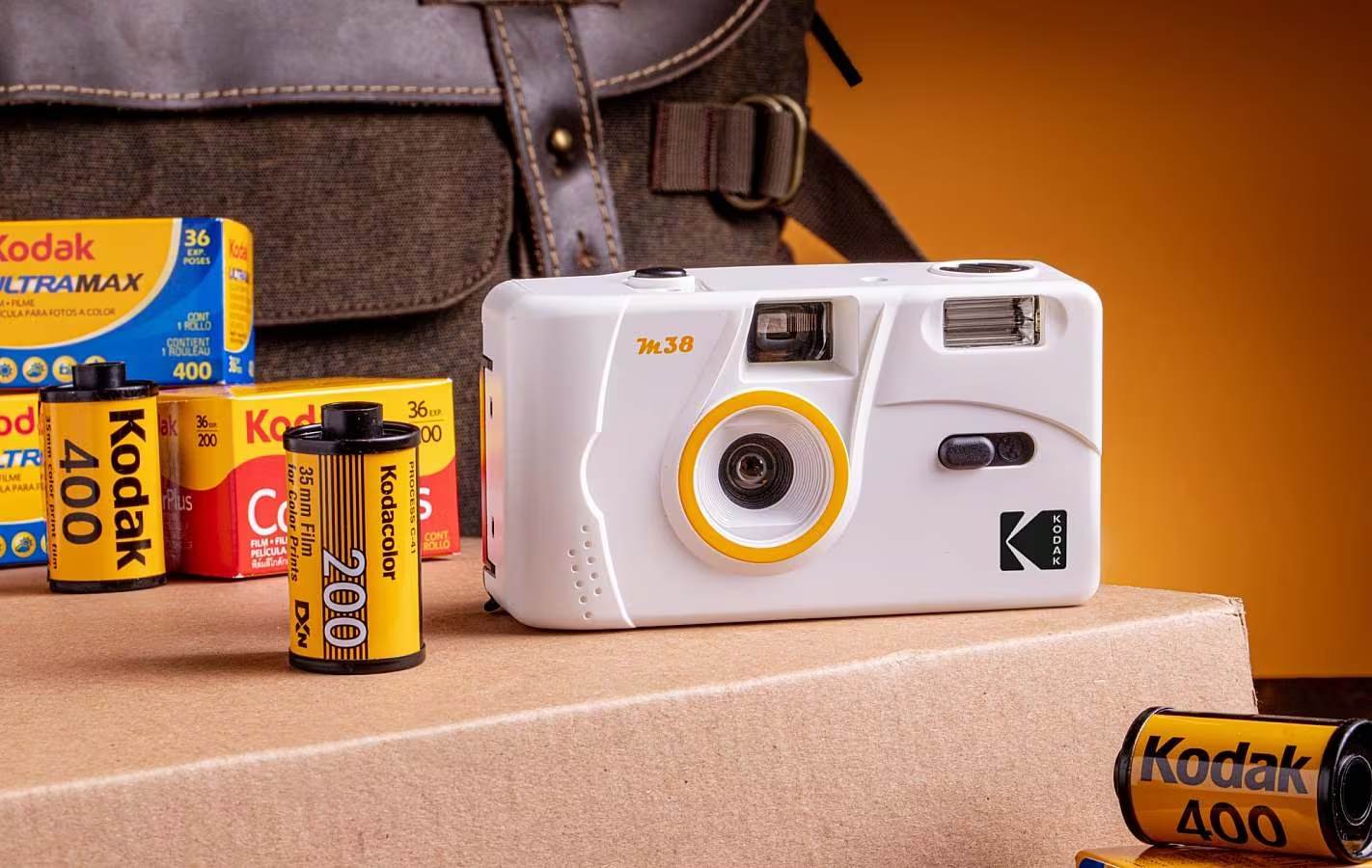
The Kodak M38 is the M35’s closest rival: same body but a stronger flash capacitor at 120µF (compared to 70µF on the M35) and weighing 116.5 grams. The M38 costs a bit more and excels indoors, but after dark outdoors, neither really shines.
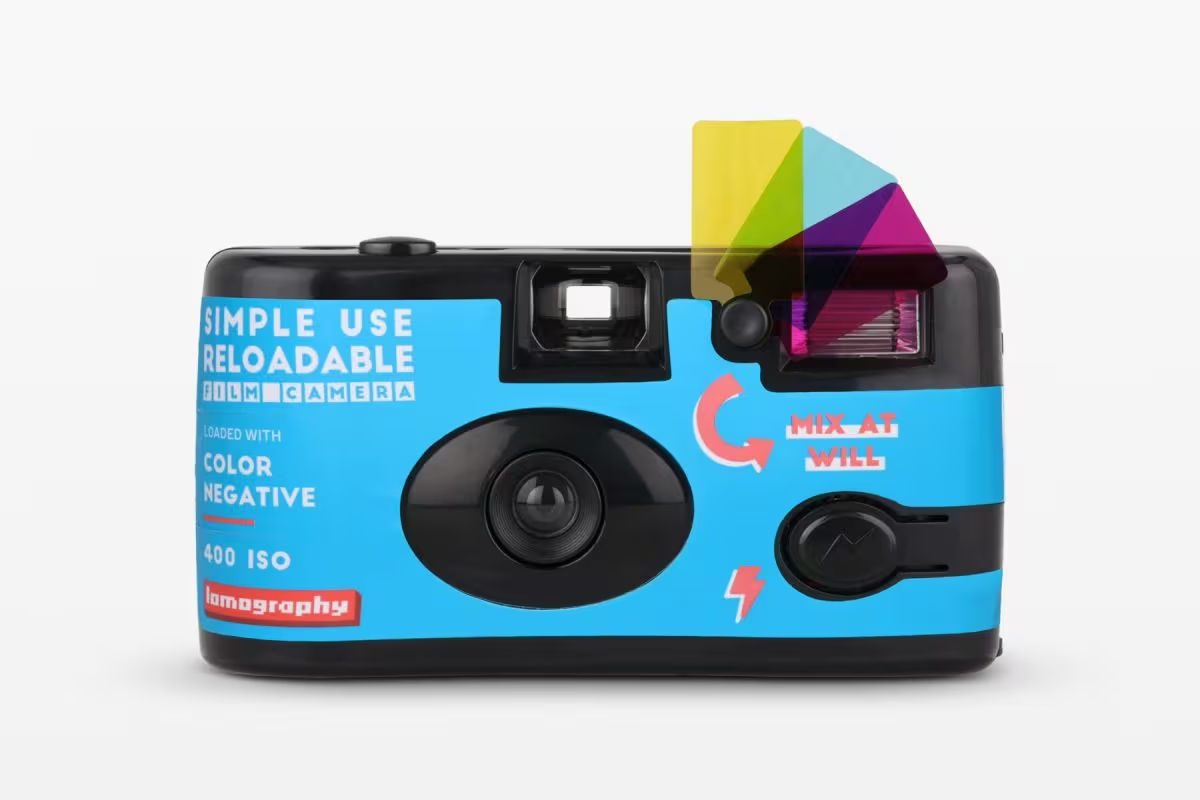
Lomography’s Simple Use Reloadable looks like a disposable camera but is reusable, comes cheaper than the Kodak M35, and includes a 36-exposure color negative film roll. It’s a solid budget alternative for those wanting simple film shooting.
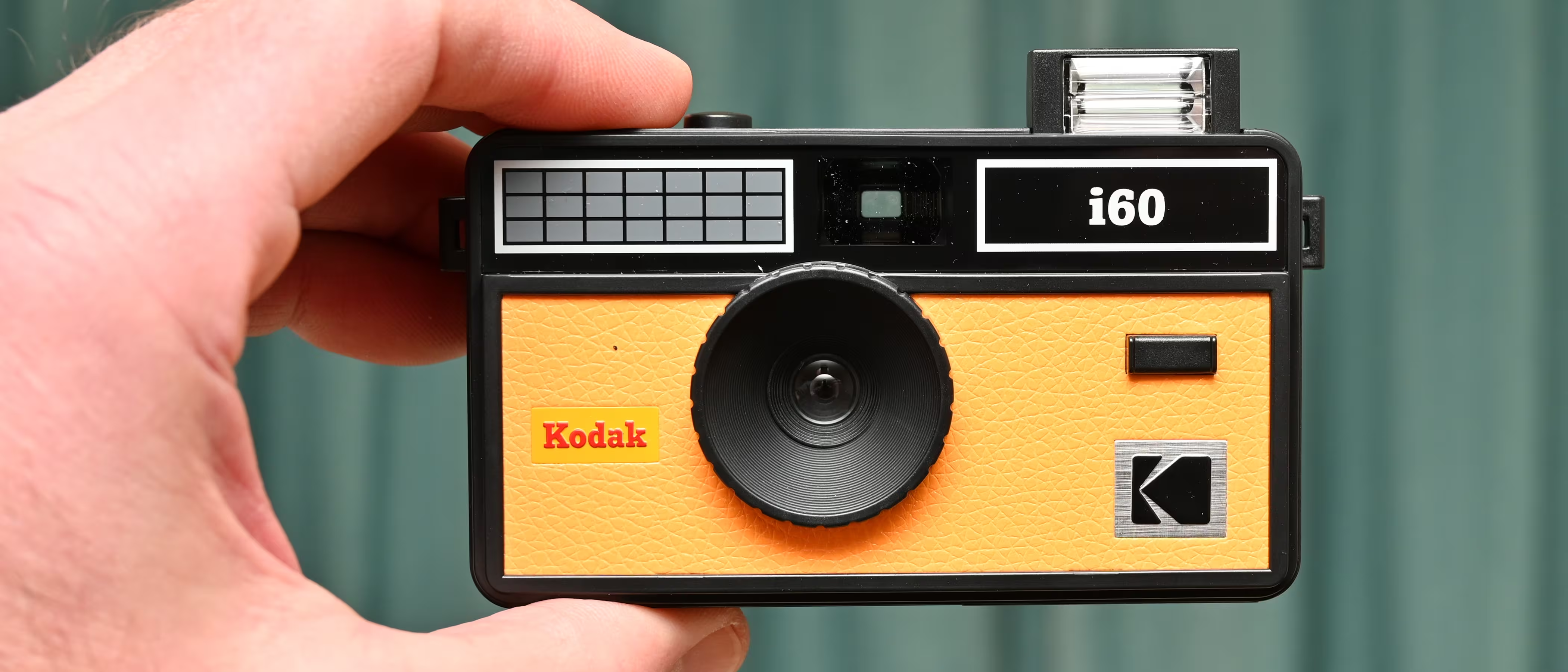
Kodak i60 is another licensed product, styled after the classic 1970s Instamatic cameras. It offers more retro flair, though its battery compartment design is clunky. If retro design is your thing, it’s a fine pick.
For roughly the same $30-40 price, you can hunt down a used compact autofocus film camera with glass optics, which will deliver far superior image quality. That’s practical advice for budding photographers. The Kodak M35, however, is not an educational tool-just an easy way to capture moments with authentic analog feel.
Kodak M35 review: final thoughts on this film camera
Kodak M35 stands at the intersection of retro style and the ”good enough” ethos. For digital natives trying film for the first time, it nails simple loading and shooting with minimal fuss. It doesn’t teach you photography but teaches patience, care, and trusting chance-all rare in today’s infinite digital storage world.
That’s why the Kodak M35 sits alongside vinyl records and cassette players-not as museum relics but as tools for a new vintage lifestyle. In Russia, it costs from 2,290 to 3,500 rubles depending on color, roughly $27 in the US, and about 1,500 rubles in China (shipping additional). Its success hints at a broader cultural shift: analog isn’t just nostalgia, but a counterpoint to nonstop digital overload.
Watch this space as affordable film cameras like the Kodak M35 reignite interest in analog photography worldwide. The real question: will smartphone makers respond by offering more tactile, experience-driven capture modes, or is the return to film an independent rebellion against immediacy?