


Hollywood nailed the future when it decided intelligence and technology could be downright sexy. These eight actresses prove that brains and allure not only mix-they amplify each other. From androids to quantum physics, cyberpunk to outer space, they’ve made science the hottest subject on screen.
Alicia Vikander as an android with a soul
The Swedish actress became a tech era icon with her role as Ava, the AI in ”Ex Machina” (2014). Vikander’s performance was so convincing that viewers forgot she was a human pretending to be a robot-and not the other way around. Director Alex Garland chose her for her ability to express complex emotions with minimal facial movement, creating the film’s eerie depth. Watching Ava, you lose track of where programming ends and personality begins-a haunting feeling that lingers long after the credits roll.
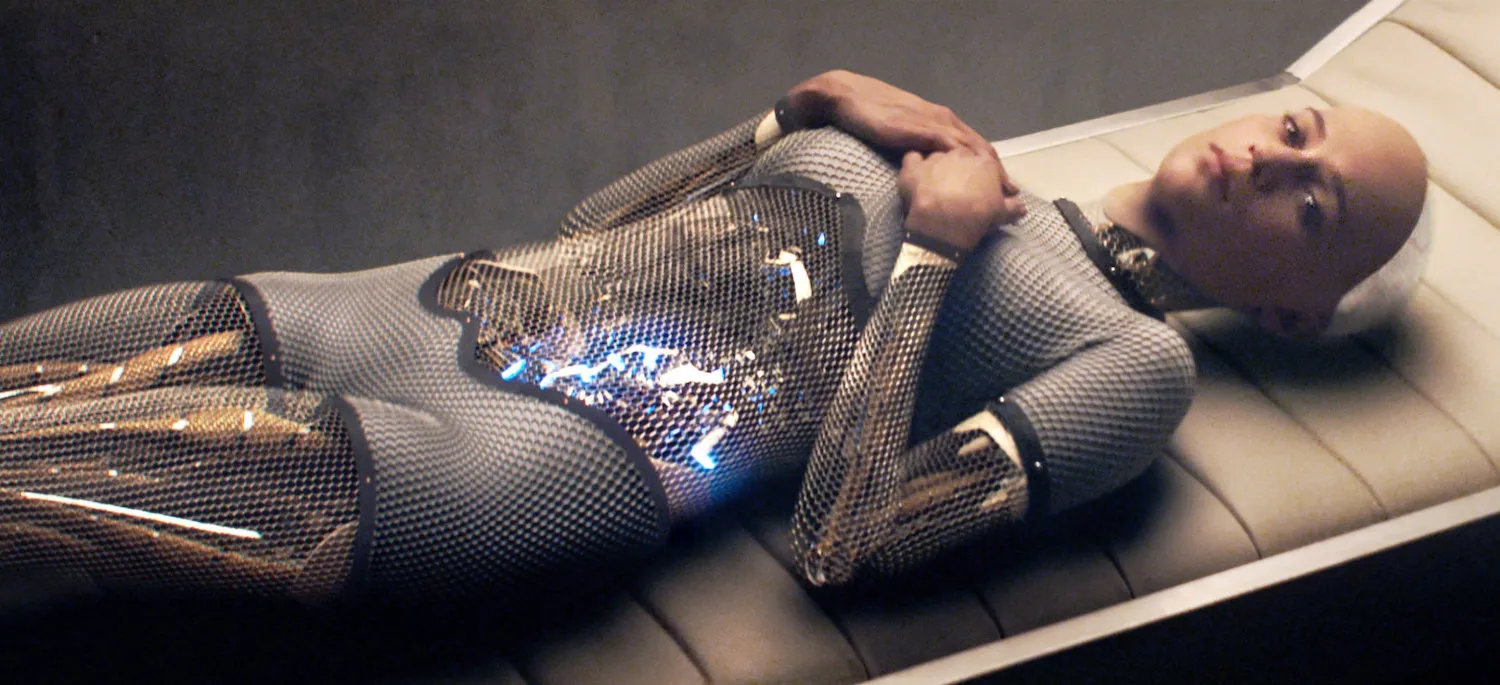
After ”Ex Machina,” Vikander won an Oscar for ”The Danish Girl” and could have slipped into arthouse cinema quietly. Instead, she kept picking complex roles with a technological edge. Her take on Lara Croft in the reboot turned the iconic character from eye candy into a thinking, feeling protagonist. Vikander belongs to the rare breed who make intelligence visually captivating in a way modern films sorely lack.
Sydney Sweeney: brains behind an angelic face
Sydney Sweeney’s angelic looks once confused critics, underestimating her range. In ”Euphoria,” her character Cassie is not just a pretty girl with problems but a nuanced study of someone using her appearance as armor while agonizing over being seen only for that. Sweeney delivers these layers so powerfully some scenes become almost physically uncomfortable in the best way.

In 2024, she released ”Immaculate,” also as a producer, shutting down any talk that she’s just a pretty face. Sweeney understands the media game like a product manager, crafting her social presence with surgical precision and mastering viral content better than most marketers. The tech world is enamored for good reason: she thinks like a strategist and looks like a dream.
Eva Green: the cyberpunk femme fatale
Eva Green isn’t just beautiful-she’s mesmerizing on a level that words can’t capture. The French actress lives in a dark, intricate universe all her own. ”Casino Royale” put her on the map, but it’s ”Dark City” and ”300: Rise of an Empire” that revealed her gift for worlds where technology and magic blur. Her character Morgan in ”Shutter Island” literally bends reality through knowledge, and you believe it instantly.
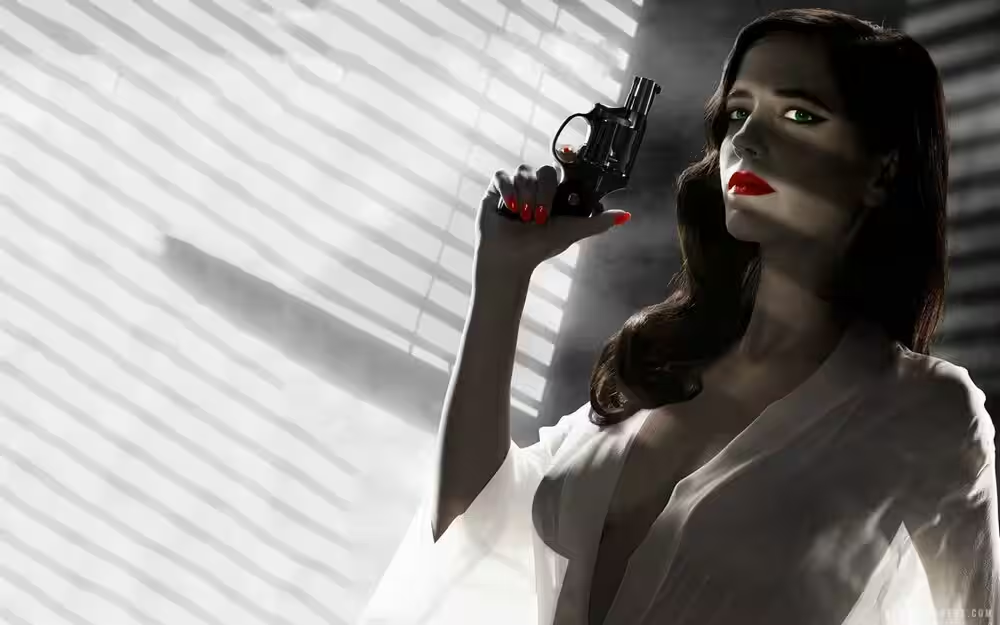
In an age where algorithms are learning to read emotions and manipulate behavior, Eva Green embodies these forces like no CGI character could. Her beauty is a warning, not an invitation. The cyberpunk archetype-cold, perfect women who know your every secret-has been around a while, but Green is the definitive real-world model. No wonder Cartier and Dior choose her as their muse.
Rebecca Ferguson: sci-fi’s commanding mind
Rebecca Ferguson’s career path looks like a deliberate refusal to take shortcuts. While many chased rom-coms and superhero sequels, Ferguson gravitated toward smart genre films. Her credits include ”Mission Impossible,” ”Doctor Sleep,” and ”Dune.” In Denis Villeneuve’s ”Dune” saga, she plays Lady Jessica, a woman who controls people with voice and psychology, using the Bene Gesserit method-effectively neuro-linguistic programming in a sci-fi wrapper.

What makes Ferguson truly stand out is her ability to remain human inside typically archetypal genre roles, which often reduce characters to functions. Jessica isn’t a stereotype of a wise mother or a battle machine; she’s a living, complex person who simply knows more. As AI increasingly plays advisory roles in real life, such characters feel almost documentary-level plausible.
Anya Taylor-Joy: chess genius personified
”The Queen’s Gambit” premiered during the pandemic and became a cultural phenomenon in 2020, largely because Anya Taylor-Joy made watching chess more thrilling than most action movies. Her character, Beth Harmon, calculates moves like a neural network running in the background, and Taylor-Joy’s portrayal captures that trance through her gaze, subtle pauses, and how she handles chess pieces. After that, calling her ”just a pretty girl” became an insult.

Born in England and Argentina with strikingly unique eyes, she possesses a rare gift: making intelligence visually captivating. Her Beth is beautiful because she thinks deeply, not in spite of it. This matters in a cultural moment when smart women in film have been either stereotyped nerds or schemers. Taylor-Joy offers a third option: someone who simply masters information better than most and enjoys it.
Monica Bellucci: timeless standard of power
”The Matrix” hit theaters in 1999, yet Monica Bellucci’s scene as Persephone still sparks quotes and memes. The Italian actress played a woman controlling the flow of information inside a simulated reality with such lazy confidence that it seemed the Wachowskis wrote the role just for her. Persephone knows all the secrets and trades them like currency-yet remains the most vivid character in that code-built world. That’s peak craft.
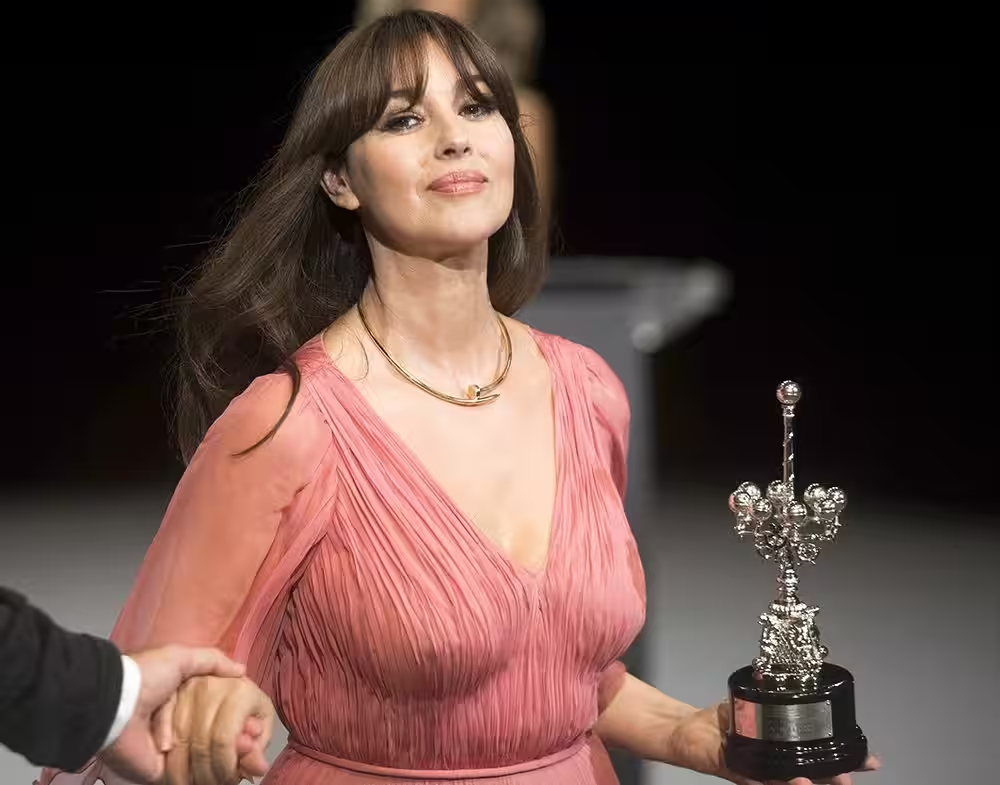
At 60, Bellucci remains one of the most talked-about women globally-a phenomenon worthy of study. Recommendation algorithms keep pushing her photos to the top of beauty and style searches because her image transcends time. She stars in films by Emir Kusturica and Tim Burton, graces covers and red carpets, yet never looks like she’s trying. That kind of presence can’t be faked.
Freya Allan: the next-gen sci-fi star
British actress Freya Allan burst into popular consciousness with ”The Witcher,” playing Princess Ciri, a girl whose abilities would be called quantum in the real world. Control over space and time, jumping between realms, intuitively reading probabilities-translate that into modern physics and you’ve got serious sci-fi. Allan played it without drama, channeling a teenager overwhelmed and learning to harness her powers, making the character feel authentic.

Beyond ”The Witcher,” her career is speeding up with smart, bold role choices. She avoids obvious commercial pitfalls and seems to plan her next decade carefully. In an industry increasingly ruled by streaming algorithms deciding the next big star, Freya Allan looks like someone who knows the game better than the platforms themselves.
Eiza González: what a physicist looks like
In Netflix’s ”The Three-Body Problem,” Mexican actress Eiza González plays Oggy Salazar, a nanotechnology scientist who literally reshapes reality at a molecular level. With a $160 million budget per season, the show demanded a grasp of quantum physics even to deliver lines believably. González confessed she genuinely dived into the subject while prepping-a rare case of an actor leaving set with true fascination instead of just a paycheck.

Before ”The Three-Body Problem,” she starred in ”Hobbs & Shaw,” ”Godzilla vs. Kong,” and Edgar Wright’s ”Baby Driver”-a resume packed with action, tech, and adrenaline. González uses her looks strategically, not just as a decorative bonus, choosing roles where her characters drive the plot and make things happen. In a world remaking what a scientist looks like through AI and neural nets, Eiza González is already living in that future.
Globally, we’re seeing a shift in how smart women are portrayed onscreen-from stereotypes to complex characters blending intellect with charisma. These eight actresses are leading the charge, expanding what intelligence looks like in film and challenging audiences to see brains as part of the allure. Expect this trend to grow as technology keeps disrupting storytelling and casting.